

U.S. consumers not achieving seafood guidelines
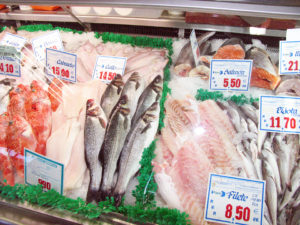
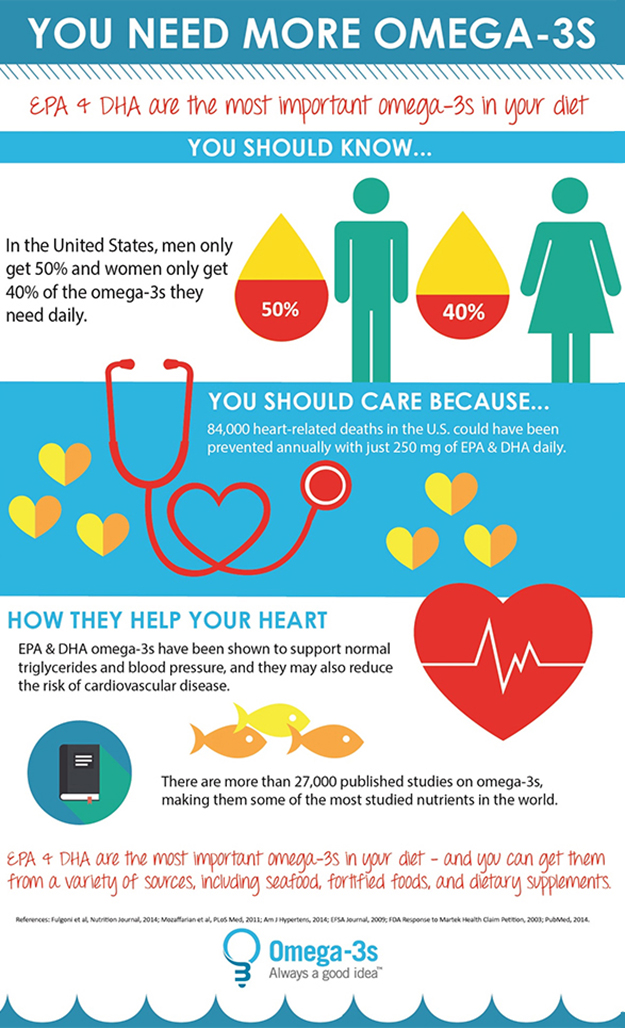
Research found that 80 to 90 percent of U.S. consumers did not meet federal dietary seafood recommendations and that seafood consumption varies significantly among socio-demographic groups.
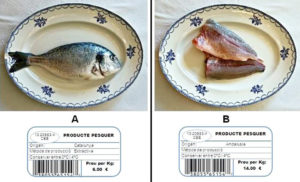
In a survey of 160 consumers of gilthead sea bream in Catalonia, Spain, farmed bream were generally well accepted by consumers, who preferred fresh to frozen product. Price was a significant attribute. Duty consumers, the largest group, ate fish mainly for health-related reasons.
Research found that 80 to 90 percent of U.S. consumers did not meet federal dietary seafood recommendations and that seafood consumption varies significantly among socio-demographic groups.
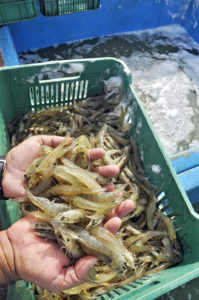
In recent years, most of Brazil’s farmed shrimp production has been absorbed by the domestic market. The country’s aquaculture industry shifted focus from exporting frozen shrimp as a commodity in 2004 toward a growing internal demand for fresh and value-added shrimp.
Live markets represent a promising niche in regions where locally raised seafood cannot compete with inexpensive imports. Study results suggested regional shrimp producers could effectively reach premium markets by shipping using waterless methods.
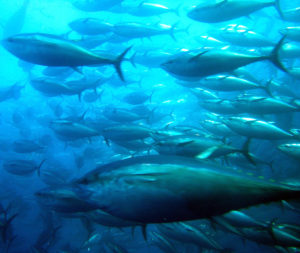
Safety and sustainability are key concepts affecting consumers’ decisions on tuna consumption. Although the benefits of consumption exceed the potential negative effects, tuna’s harmful attributes tend to negatively impact purchasing in at-risk groups.
The increasingly fashionable Paleo Diet promotes eating like a caveman, with lots of protein, fruits and vegetables. However, it favors wild-caught seafood to farmed fish due to issues associated with feed sources and practices.
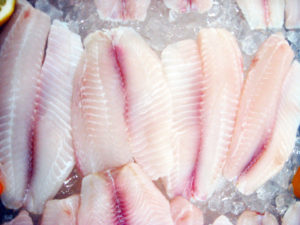
Within the European market of frozen fish, tilapia play a minor role, with average yearly import quantities below 20,000 mt. China provides more than 80 percent of the total, while Indonesia is the second-largest exporter.
Effective marketing of farmed seafood faces a number of hurdles not found in other industries. Many consumers have preconceived notions that farmed fish cannot taste good and comes from an environment not conducive to producing high-quality, flavorful food.
A new venture under development in the Bahamas will capitalize on Tropic Seafood’s established logistics and infrastructure to diversify its operations from processing and selling wild fisheries products to include the culture of grouper and other marine fish.
Fish is the world’s most traded protein – and a healthy choice that will help feed the world’s growing population into the future. Aquaculture represents the most efficient method by which to convert feed to edible protein, and its use of marine ingredients is being addressed.
The United States Food and Drug Administration has updated its advice for pregnant women on mercury and seafood with greater emphasis on the benefits of eating fish. This is a positive story, but reporting on the new perspective muddied its message with opinion and innuendo. Let us all find the way to continue to promote aquaculture’s healthy, renewable products in ways that keep the stories simple, so the messages are not lost on the journey to consumers.
In Europe, most frozen white fish fillets operate in an undifferentiated market. Although differences in quality and processing affect pricing, there is also competition across species and exporting countries. Analysis showed that prices for tilapia from the leading exporter China were not affected by any competitor, but pricing for tilapia from other countries was highly related. Low Pangasius prices affected the market share of tilapia, which may help explain why Pangasius is a most popular fish in the European Union.
According to a literature review, consumers will demand more information about seafood consumption and how to trace its movements through the value chain.
When producers and markets are separated by long distances, economic losses can occur. In a review involving tilapia, water quality was adequate in hauling trucks, although pH levels dropped during transport.
Seafood production people have to bring on healthful new product innovations, and marketing people must promote them to consumers who favor taste over health benefits in food choices.
To help increase seafood consumption and gain recognition for the many health benefits of seafood, the author identified three wishes for 2014. Change the risk profile of seafood to defuse the sensationalized status of mercury. Professionalize the capability of the retail industry and create an avenue for consistent, positive messages sent to consumers. Increase education to girls and women about the unique benefits of seafood.