

A land grab for salmon (and shrimp) in upstate New York
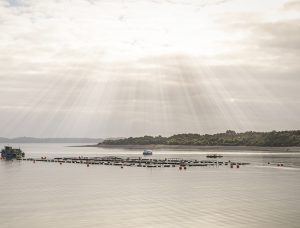
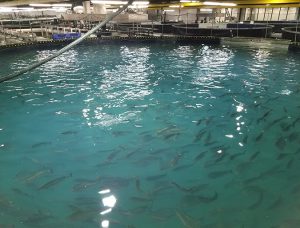
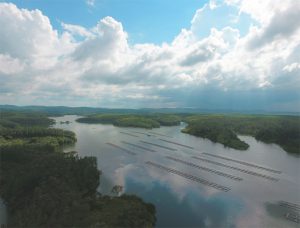
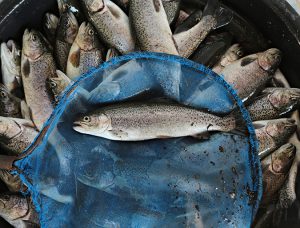
The operators of Hudson Valley Fish Farm see their inland locale as a pilot to prove that land-based fish farming, located in close proximity to major metropolitan markets, can be successful.
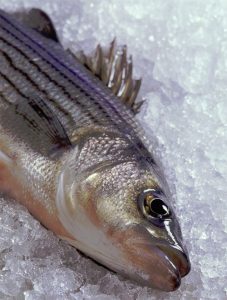
A study assessed the nutritional value of farmed vs. wild white-fleshed fishes using hybrid striped bass, largemouth bass and bluegill. Results showed that farmed, white-fleshed fish are as nutritionally valuable – and in some cases, more so – than wild fish.
The operators of Hudson Valley Fish Farm see their inland locale as a pilot to prove that land-based fish farming, located in close proximity to major metropolitan markets, can be successful.
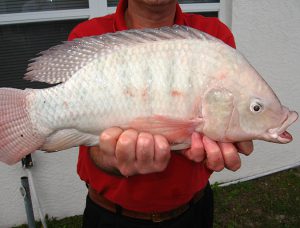
Once a darling of the sustainable seafood crowd for its vegetarian diet and potential to feed the world’s growing population, mild-mannered tilapia now has an image problem that may be causing a dip in consumption levels.
As terrestrial protein production is confined by limited available and suitable land, aquaculture is the logical solution to our nutritional needs. We can get serious about it or we can let our grandchildren grow up in a world eerily similar to that of their ancestors.
Surveys show that fresh and healthful food, with ingredients perceived to be natural, is key for younger generations. This represents opportunity to grow seafood consumption among younger, better-informed consumers, but also a challenge to enhance sustainability.
According to the World Health Organization, 2 billion people are affected by mineral and vitamin deficiencies. Aquaculture producers should review the mineral content of culture waters and in fish diets and whether they can manipulate these two key variables.
To name an oyster is to give birth to a brand, essential to stand out in today’s raw bar scene. The briny bite-sized morsels are arguably seafood’s sexiest offerings, but a memorable moniker (and a quality product) is what keeps them on the menu.
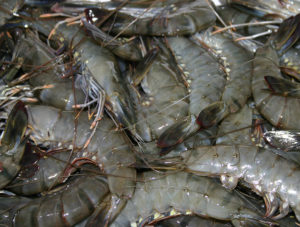
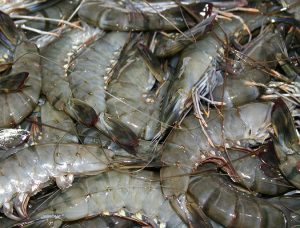
Throughout the United States, a handful of aquaculture entrepreneurs are farming shrimp in indoor facilities. Selling their product is not the problem – securing funds to grow to commercial scale is. Start-ups and established farms share their tales of trial and error and why, against the odds, they’re sticking to it.
New markets for tilapia and expansion of existing ones can be created by planning and implementing properly designed geographic strategies to meet discriminating consumer preferences. Low labor costs in most producing countries promotes value-adding by the production of fresh fillets.
Caviar, or lightly salted sturgeon roe, has been enjoyed for centuries as an expensive gourmet delicacy. After a drastic decline in wild sturgeon stocks, aquaculture stepped in to fill the void. But can farmed supply find lasting balance with market demand?
The GOAL 2016 survey for global production of farmed fish shows that most major finfish groups increased their farmed production in 2015. The total production of species and countries covered by the survey is forecasted to reach 42 MMT in 2016.
This photo slideshow offers a close-up look at what restaurants in Maine and beyond are raving about: Bangs Island Mussels. Six years after purchasing the company from its founder, Matt Moretti says the niche shellfish supplier has expanded its production and market distribution.
An aquaponics teaching system was designed, built and operated by students at the University of Arizona, integrating its operation and management into the educational curriculum. This engineering design will require minimum maintenance and will last years.
The GOAL 2016 global shrimp production survey showed a strong rebound in 2014 (up 10 percent to 4.18 MMT), followed by a decline in 2015 (down 5.4 percent) and another recovery forecast for the next three years. Global production is expected to reach around 4.44 MMT in 2018, barring a new disease crisis.
In this final installment of Hervé Lucien-Brun’s comprehensive three-part series, the author details the final steps in the process of taking farmed shrimp to the marketplace. Here we take a look at the proper protocols for receiving at the processing plant, weighing, grading and freezing.
The decision to harvest involves consideration of various factors, including market prices, customers’ need, biomass and condition of the animals and others. Several steps are involved, most aimed at maintaining maximum quality of the animals as they are harvested, sacrificed, treated and transported to the plant and processed and packed.