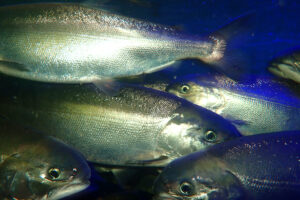
With water treatment tech, has Japanese collaborative cracked the code on sockeye salmon farming?
Operators of the world’s first land-based sockeye salmon farm say their water treatment technology could mark a turning point for aquaculture in Japan.



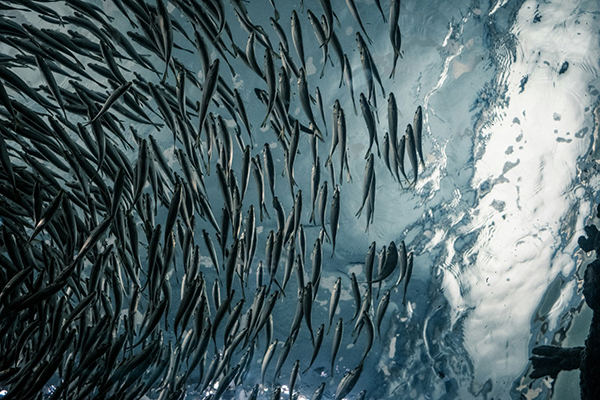
The Philippines' national agriculture and fisheries leaders will breed Bali sardinella (Sardinella lemuru), locally known as tamban, in captivity.
Operators of the world’s first land-based sockeye salmon farm say their water treatment technology could mark a turning point for aquaculture in Japan.
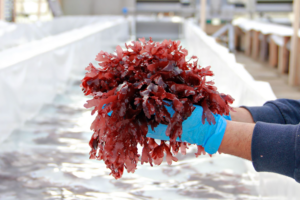
Sven Rusticus, founder of Seaweedland in the Netherlands, discusses the benefits of growing seaweed on land and potentially licensing the technology.
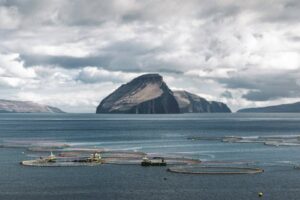
Sustainable aquaculture could create 22 million jobs, but scaling it requires major investment, policy reform and public-private collaboration.
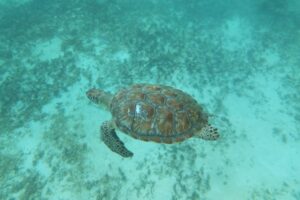
A new global hub for regenerative aquaculture will open in La Paz, Mexico, to advance ocean-friendly farming and sustainable food systems.
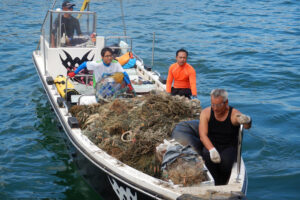
An initiative launched in Germany to deploy AI to find ghost fishing gear uses existing high-resolution sonar data from the seabed.
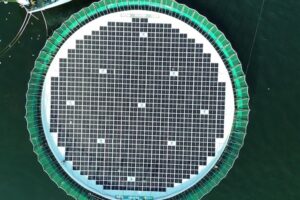
Mowi launches Chile’s first solar-powered pen, cutting diesel use and emissions while advancing sustainable aquaculture practices.

Oregon-based restorative aquaculture startup OoNee is producing sea urchin uni for the growing sushi market while easing pressure on kelp forests.
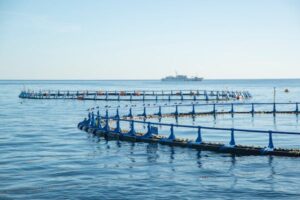
New aquaculture technology project uses AI-powered cameras and advanced sensors to monitor fish health and improve farm efficiency.
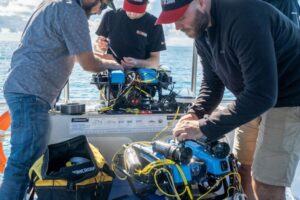
A new underwater robot could help grow New Zealand's mussel farming industry by automating growth monitoring and harvest planning.
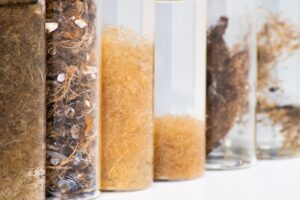
Seastex upcycles mussel waste into ‘seawool’ – a recyclable, biodegradable textile offering a green alternative to synthetics.

Speakers at the Blue Food Innovation Summit addressed numerous issues like aquafeeds, new technologies and defining the “smallholder.”
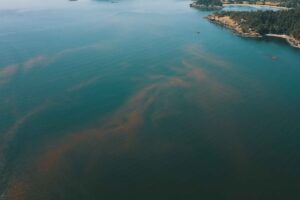
New UK-wide training will help aquaculture tackle harmful algal blooms with standard reporting and early warning systems.
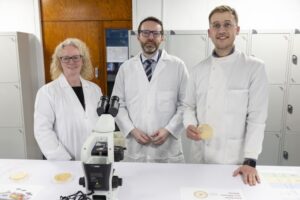
The AquaSoS project uses digital tools to boost sustainable aquaculture in Vietnam, addressing disease, climate change and pollution.

In a funding round led by The Blue Revolution Fund, the Finnish company raises $2.7 million to scale its food waste technology.

Oceanloop's $38 million loan will be used to build a land-based shrimp farm in Spain and expand operations in Germany.