
Robins McIntosh on everything you need to know about EHP and shrimp farming, part 2
Shrimp farming expert Robins McIntosh details the past decade of learning about the microsporidian EHP and how to mitigate its impact.



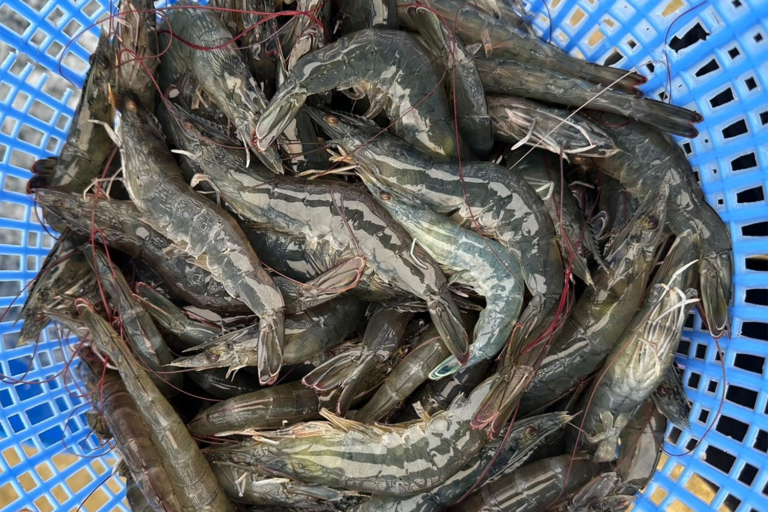
Responses to enhance cold tolerance included regulating changes in genes, metabolites and amino acid and lipid metabolism to increase energy supply.
Shrimp farming expert Robins McIntosh details the past decade of learning about the microsporidian EHP and how to mitigate its impact.
An estimation model identifies genetic variances across mating combinations for stress resistance traits and families with heightened stress tolerance.

The UK-based Shrimp Welfare Project is offering free electrical stunners to qualifying producers as part of new shrimp welfare initiative.
Study finds no positive effects on smoltification, seawater performance and maturation from changing fat levels in modern Atlantic salmon diets.
Adequate substitution rates did not affect the growth performance and antioxidant capacity of P. monodon shrimp, but a high rate could.
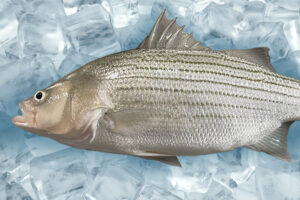
Novel antimicrobial protein and treatment effectively cures Streptococcus iniae infections in hybrid striped bass, researchers say.
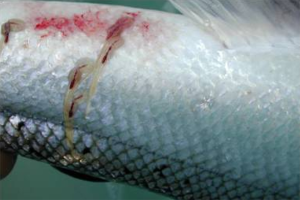
A new oral vaccine using reverse vaccinology and artificial intelligence may help with sea lice challenges faced by the aquaculture industry.
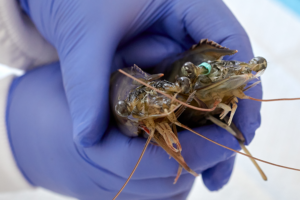
How Indonesian company Prima Larvae Bali is using genetic technology and a partnership with CAT to elevate its shrimp breeding program.

Shrimp farming expert Robins McIntosh details a decade of learning about the microsporidian EHP and how to mitigate its impact.

An individual infection model identified characteristics of an epidemic and investigated the role of environmental components in its transmission.
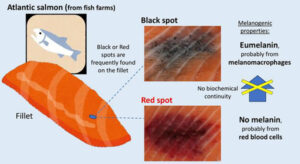
Black spots on salmon fillets differ in origin from red spots, prompting scientific exploration beyond just bleeding causes.
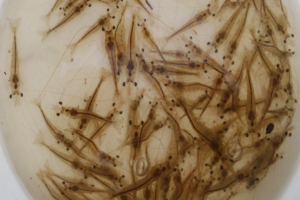
Dietary tartaric acid improved shrimp growth markers and defense systems with improvements in feed utilization, immunity and disease resistance.
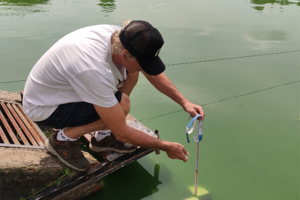
Copper sulfate is a cost-effective algae control for aquaculture ponds but producers should consider alternative products or management practices.
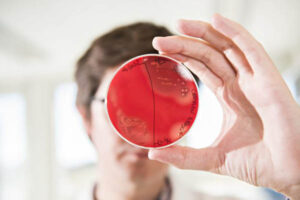
The vaccine for Moritella viscosa, which causes winter ulcers, performs better if developed with the correct strain of bacteria, Nofima says.
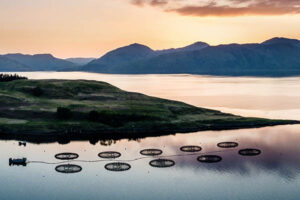
SAIC has awarded $1 million in R&D support to seven innovation projects focused on fish health and welfare.