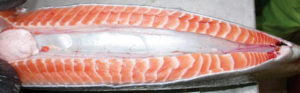
Sex determination in Tasmanian Atlantic salmon
The maturation of Atlantic salmon prior to harvest is costly, so since male salmon are more likely to mature early, the salmon industry in Tasmania relies on all-female production.



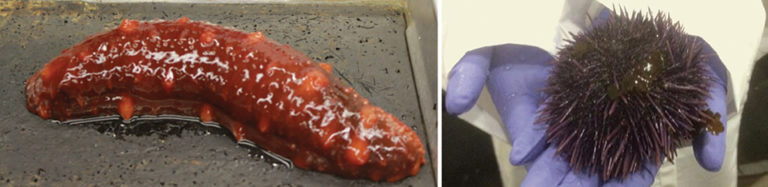
If an animal is stressed, its immune function decreases, and vulnerability to diseases increases. Since there is currently no effective treatment for disease in echinoderms, the authors examined the impacts of handling and salinity fluctuations on the immune functions of sea cucumbers and sea urchins.
The maturation of Atlantic salmon prior to harvest is costly, so since male salmon are more likely to mature early, the salmon industry in Tasmania relies on all-female production.
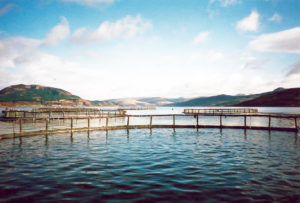
Escapes of fish from farm facilities can lead to interbreeding and competition for mating opportunities with wild fish. Escapees may also transmit diseases and parasites, as well as compete for feed and space.

Investing in the quality of shrimp postlarvae by applying state-of-the-art hatchery management results in a significant return on investment. Nutrition and health protocols have large impacts on postlarvae quality that last beyond the early life stages.
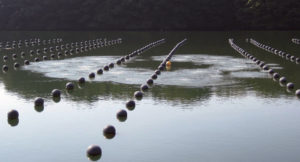
The summer season poses threats for oyster aquaculture worldwide. In addition to high mortality, poor oyster quality and health – especially in enclosed bays – are often attributed to water stratification, high temperatures and hypoxia.

Research at a hatchery in Mozambique has demonstrated the possibility of developing acquired immunity to white spot syndrome virus within shrimp. The approach involves activating the immune system via a specific manipulation of water parameters during the treatment, intensity level and timing, with the secondary help of immunostimulants.
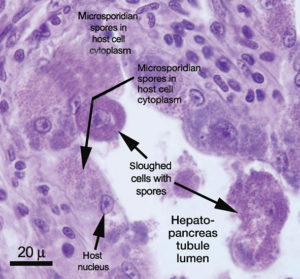
Enterocytozoon hepatopenaei (EHP), a microsporidian parasite widely found in Asia and other areas, is impacting aquaculture by severely retarding the growth of cultured shrimp. EHP infects the tubules of the hepatopancreas in shrimp, which damages the organ’s ability to gain nutrition from feed.
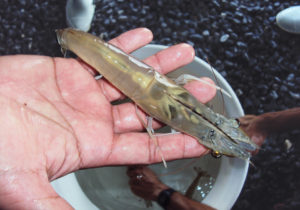
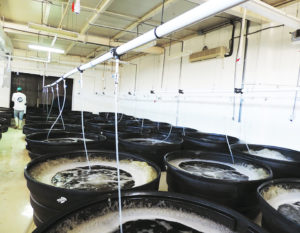
Since shrimp production facilities vary in size, construction and many other factors, the establishment of performance standards can be challenging.
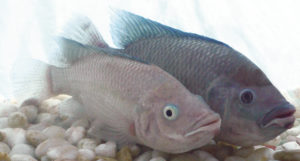
With interest in culturing tilapia in marine habitats increasing, producers must obtain tilapia capable of growing well in seawater. A study found that both pure-bred and hybrid tilapia performed better in freshwater than in water with high salinity.
The authors recently performed a study to evaluate immunity to white spot syndrome virus and virulent Vibrio parahaemolyticus in shrimp treated with a new mineral extract additive in pelletized feeds.
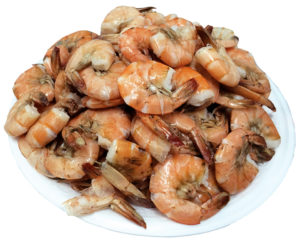
With major support from the government, a campaign has been launched to promote consumption of Mexico’s fishery and aquaculture products. The objective is to increase per capita seafood consumption to 12 kg by 2018.
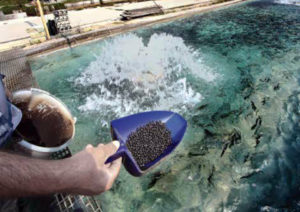
Phytogenics, which include a variety of herbs, spices and essential oils, can be applied through different strategies in aquaculture to improve feed efficiency, growth performance and disease resistance.
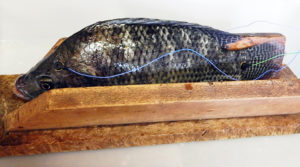
Research that has shown fish have the necessary brain structure to feel pain has displaced traditional perspectives and led to additional accounting for fish welfare in aquaculture.

The development of antimicrobial resistance genes in human pathogens as a consequence of exposure to antibiotics in aquaculture is widely documented. Reports implicate foodborne antibacterial-resistant pathogenic bacteria in human disease.

Biosecurity can be defined as the operating procedures that shrimp hatchery and farm personnel use to minimize the impacts of disease on their animals. Proper biosecurity measures slow the movement of pathogens and protect unaffected areas.
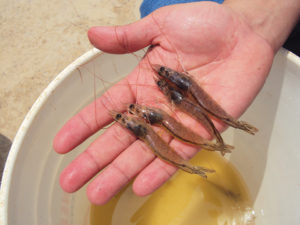
Continuous improvement is a critical strategy required for the success of any business, including shrimp farming. Routine programs for farm feed trials that incorporate best practices can contribute to better decision making and a faster improvement.