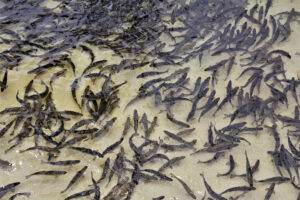
Assessing the effect of photoperiod manipulation on Atlantic salmon growth, smoltification and sexual maturation
Evaluation of photoperiod influence on salmon smolts suggests that an artificial winter signal would benefit RAS post-smolt production.



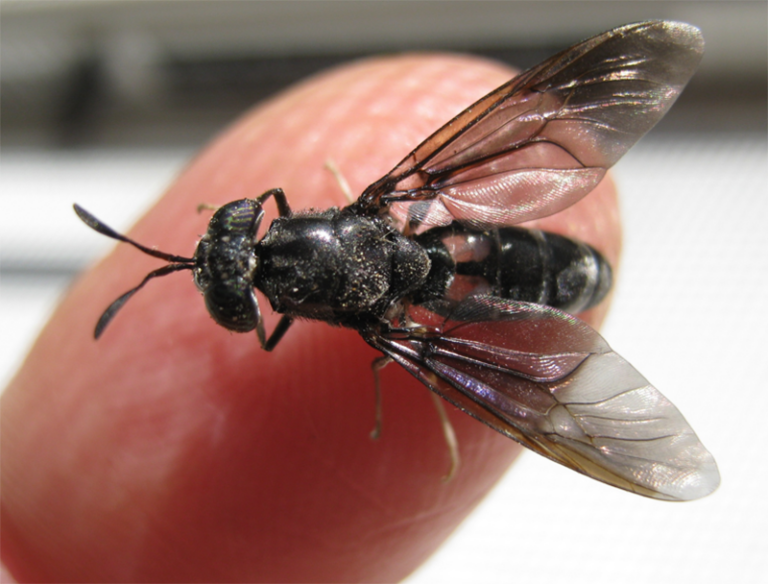
Inclusion of black soldier fly larvae meal, to replace fishmeal in L. vannamei diets, improves shrimp health and disease resistance.
Evaluation of photoperiod influence on salmon smolts suggests that an artificial winter signal would benefit RAS post-smolt production.
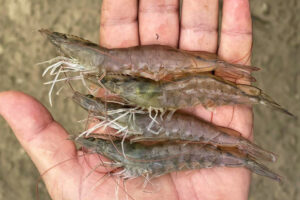
Different L. vannamei strains grown under controlled pond conditions showed strain-specific variability in nutritional composition.
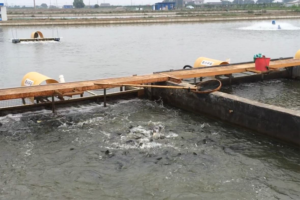
Authors evaluate the suitability of various production platforms and other considerations regarding plant-produced vaccines for farmed fish.
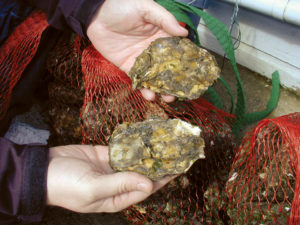
Researchers in Scotland are developing a test to rapidly detect a range of shellfish diseases and biofouling species affecting production.
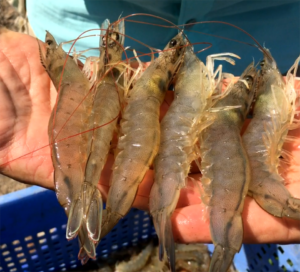
Genomic selection techniques show significant potential for enhancing the species’ resistance to White Spot Syndrome Virus (WSSV) infection.
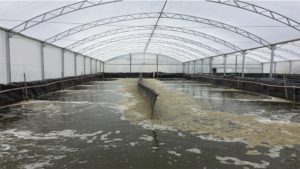
Research shows promise to improve shrimp feeding protocols in biofloc systems, especially in regions with significant water temperature fluctuations.
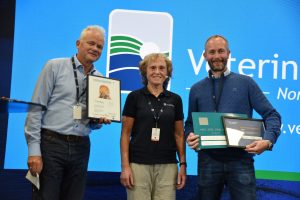
At the Aqua Nor conference in Norway, Cermaq received the Fish Welfare Prize, recognizing its efforts to improve the quality and survival of its juvenile salmon.
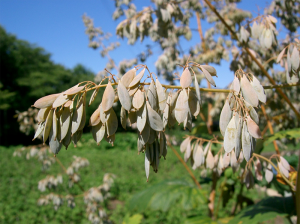
Authors demonstrate the benefits of isoquinoline alkaloids as feed additives to improve growth, survival, immune responses and vibriosis resistance.
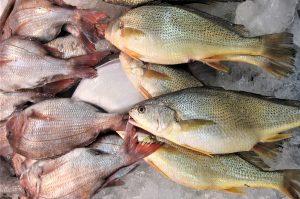
Author argues the OIE should regard all fish and shrimp products as safe for trade, regardless of the exporting country’s pathogen status.
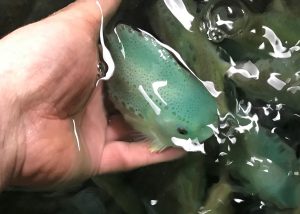
Researchers are investigating the behaviors of cleaner fish like ballan wrasse and lumpfish, hoping to spur greater interaction with salmon.
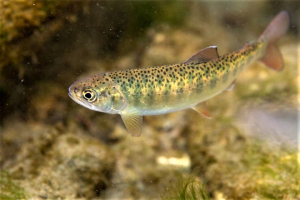
Evaluation of a commercial fulvic acid additive as an immunostimulant via gills shows improved overall health and stress resistance in rainbow trout.
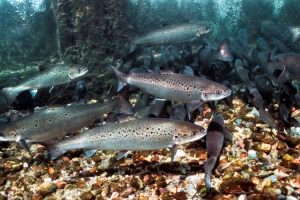
An evaluation of dietary oils showed the occurrence of a core microbiota in early life stage of Atlantic salmon, independent of oil type in the feed.
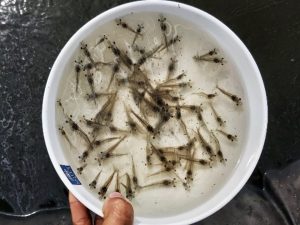
The application of a commercial additive – combining immersion and feeding during larval rearing – resulted in improved growth and survival.
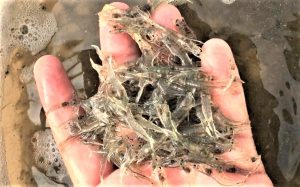
Evaluating the practical application of probiotics to manage pathogens that cause high mortality rates in shrimp farming around the world.
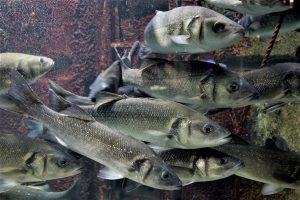
As a protein source and fishmeal replacement in European sea bass diets, a microbial enhanced protein demonstrates cost effectiveness and other benefits.