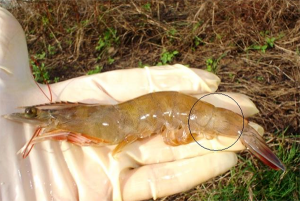
An update on vibriosis, the major bacterial disease shrimp farmers face
Vibrios are undoubtedly the foremost cause of bacterial disease outbreaks in farmed shrimp, but the significant role of stressors is often ignored.



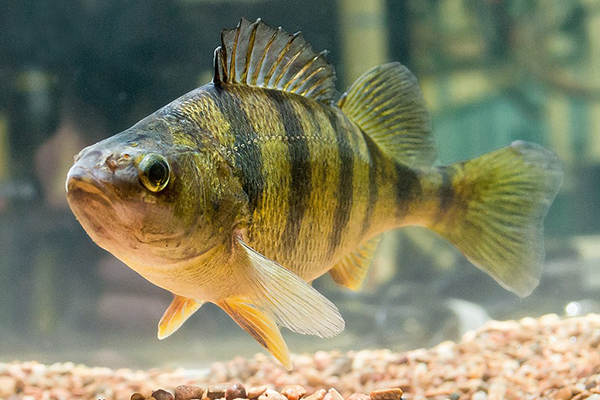
A study found that yellow perch can expel microplastics from their digestive systems, but the act seemed to cause stress.
Vibrios are undoubtedly the foremost cause of bacterial disease outbreaks in farmed shrimp, but the significant role of stressors is often ignored.
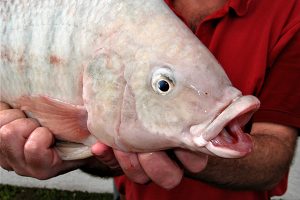
An evidence-based program from Phileo by Lesaffre aims to improve tilapia gut health and support disease prevention strategies using functional yeasts.
Results of a trial in China show the use of fat microencapsulated organic acids and salts could improve disease resistance of L. vannamei shrimp.
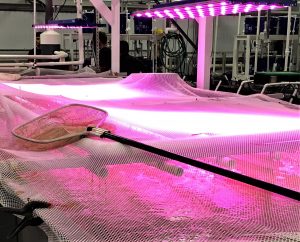
Study shows that different ultraviolet A photoperiod treatments impacted growth, immunity, FCR and mortality in L. vannamei shrimp.

A collaboration of research institutes and industry has mapped the genome of an iconic Australian seafood species, the black tiger prawn.
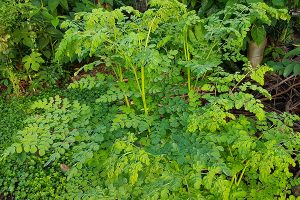
Including moringa leaf extract at a certain level enhanced immune response, growth and resistance of L. vannamei against V. alginolyticus infection.
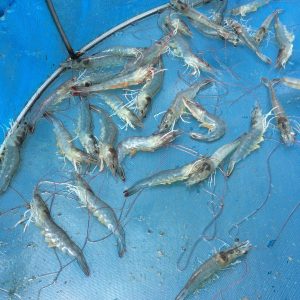
Cefas and the University of Exeter's Seafood Risk Tool can identify and reduce the impact of chemicals and diseases in aquaculture.
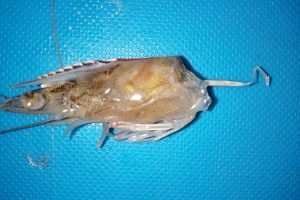
An experimental reproduction of White Feces Syndrome demonstrates that Pacific white shrimp can be concurrently infected with two known pathogens.
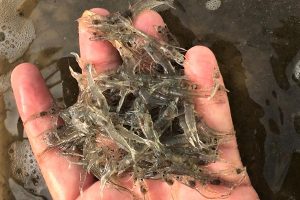
Researching the effect of light-dark cycles on various on L. vannamei physiological processes to help improve production in controlled farming systems.
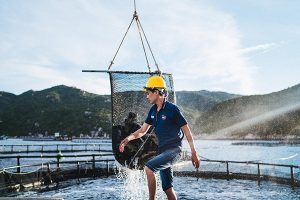
Xelect's advanced genetics-based breeding program with Australis Aquaculture has resulted in major feed-efficiency gains with barramundi.
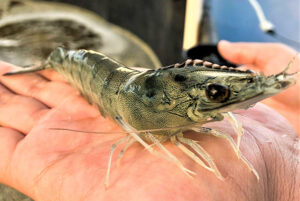
A study in Brazil evaluated the survival of Pacific white shrimp juveniles after exposure to critical oxygen levels in biofloc culture conditions.
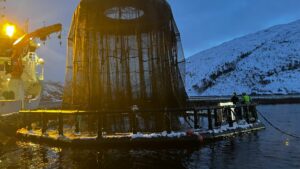
Harvest results suggest ‘high quality’ of farmed salmon in iFarm net pens, with sea lice levels reduced by 50 percent, according to Cermaq.
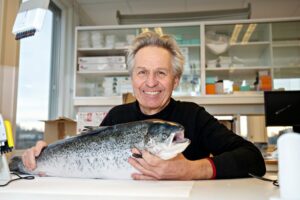
A new technique for sterilizing farmed salmon at the embryonic stage could limit the impact of escaped farmed salmon in rivers.

A new molecular biology lab in Scotland will help expedite test results to fish farming operations using PCR.
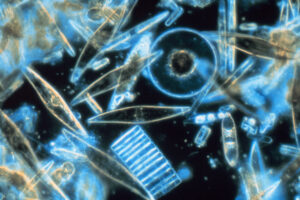
An evaluation of experimental Atlantic salmon diets with photoautotrophic cultivated diatom biomass shows the potential to deter lice.