Aquaculture shows substantial growth in global feed production survey
A global survey of feed producers in 134 countries found that aquaculture feed production rose 17 percent in 2012, affirming its position as the fastest-growing species sector.
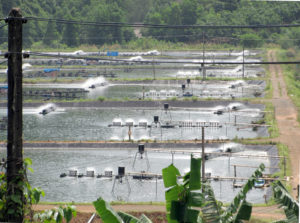
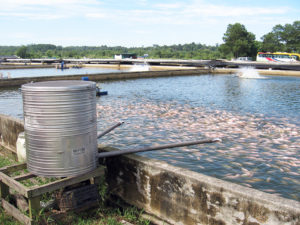
Controlled by timers, automatic feeders should be placed in deeper areas of ponds and away from aerators. Overfeeding is rare during automatic feeding, and pond bottom quality is maintained through grow-out cycles.
A global survey of feed producers in 134 countries found that aquaculture feed production rose 17 percent in 2012, affirming its position as the fastest-growing species sector.
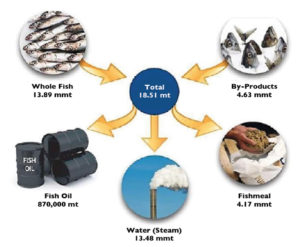
Traditionally accepted calculations of wild fish use in feed for major farmed species tend to misrepresent fishmeal use. Some more current calculation methods require separate calculations for fishmeal and fish oil, or focus on quantity of protein from wild-caught fish.
A study investigated the effects of storage temperature and duration on the quality of finished fishmeal fed to juvenile shrimp. Diets with 15 percent fishmeal were stored at 4 or 30 degrees-C for six months or 12 months.
Determining the best feed to purchase is one of the most important challenges of running a profitable aquaculture business. Properly conducted on-farm trials provide valuable data that help direct objective feed decisions.
Key molecules found in animal byproduct hydrolysates show potential for use as functional ingredients in aquaculture feeds. Animal co-product hydrolysates from slaughterhouse waste and rendered animal byproducts present a protein alternative.
Since feed costs can contribute up to 60 percent of the expenses for an aquaculture business, it is common for farms to purchase lower-cost feeds.
Corn distillers dried grains with solubles are an economical source of energy, protein and digestible phosphorus to reduce feed costs and fishmeal usage.
As more-intensive methods for tilapia and catfish culture become popular in Namibia, practical diets need to be formulated using local ingredients such as maize, millet, wheat bran and fishmeal to reduce feed costs.
Herbivorous or omnivorous fish like tilapia can be fed lower-energy and lower-protein diets because they consume higher amounts of feed than carnivores.
Low-input culture practices for freshwater prawns can manage their growth and biological characteristics so they can be fed no fishmeal or fish oil.
Live diets for reared marine larvae must be cost-effective and versatile while providing good nutrition and being easily captured and digested. Copepods offer superior nutritional value, but their rearing requires space and is laborious.
Microminerals participate in a variety of biochemical processes and must be supplied in prepared diets to support optimal growth and production efficiency.
A study of shrimp feeding demonstrated the digestibility of byproducts prepared from salmon livers, salmon milt, black cod viscera and arrowtooth heads and viscera from Alaskan fisheries processing plants.
The authors conducted a study to determine how replacement of salmon meal with various animal protein meals in feed affected the growth performance of white shrimp.
Cottonseed meal is high in protein and less expensive than fishmeal and soybean meal. Cotton plants can be engineered without gossypol in their seeds.