Krill meal performs well in shrimp feed experiments
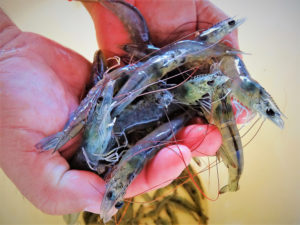
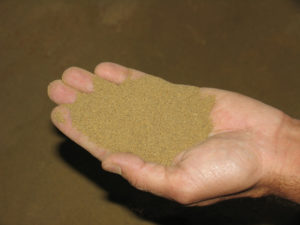
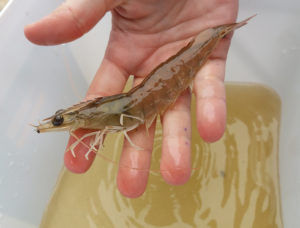
A study of experimental diets for juvenile shrimp showed a halving of fishmeal usage. Limited inclusion of krill meal offset other expensive ingredients.
In the second Pecha Kucha presentation from the Global Aquaculture Alliance's annual GOAL conference in Dublin, Ireland, Larry Feinberg of KnipBio talks about the potential of single-cell organisms as alternative aquafeed ingredients, and how his technology can lessen the industry's dependence on fishmeal and fish oil.
A study of experimental diets for juvenile shrimp showed a halving of fishmeal usage. Limited inclusion of krill meal offset other expensive ingredients.
The latest Fish In:Fish Out (FIFO) ratios calculated by IFFO – The Marine Ingredients Organisation shows that every kilogram of wild fish utilized in aquafeeds results in a total of 4.55 kilos of farmed fish produced.
Aquafeed formulas should perform under an optimal set of processing parameters to achieve desired attributes, maximizing nutritional value and extruder output.
A recent study at the Federal University of Rio Grande in Brazil showed that it is possible to reduce the C:N ratio in biofloc cultures, to decrease the water volume used and the total suspended solids produced, with resulting savings.
The inaugural F3 Challenge sought to drive innovation in the aquafeed sector and reduce aquaculture's reliance on marine ingredients like fishmeal and fish oil.
A key to expanding aquaculture is finding alternative sources of proteins and oils. Supplementing or replacing fish oil in aquaculture feeds with alternative lipid sources – oils seeds, microalgae, insects and others – appears possible as long as essential fatty acid (EFA) requirements are satisfied.
Shrimp larvae do not need artemia, but they need its nutrients. A synthetic artemia can support aquaculture’s increasing role as a responsible provider of food for the world’s growing human population.
The brine shrimp artemia is critical for larval fish and shrimp diets. As aquaculture expands, an effective artificial replacement diet for artemia is a major consideration for the industry.
Fishmeal is still the most nutritious source of protein for aquaculture diets, having a wide range of essential amino acids and a high digestibility, while fish oil is still the only commercially available source of long chain omega-3 for aquaculture diets – both are the foundation of aquafeeds.
Building off the success and excitement of the fish-free aquaculture feed cash-prize contest that concludes this fall, the F3 Challenge has set its sights on a new target: fish oil alternatives.
Research from experimental trials demonstrate that dietary potassium diformate improves survival, growth and productivity in Pacific white shrimp (Litopenaeus vannamei), including in the presence of the Gram-negative, pathogenic bacterium V. harveyi.
This 10-week feeding trial aimed at complementing existing information on largemouth bass responses to oils with supplemental EPA and DHA. Dietary supplementation of these essential fatty acids may be required in feeds for this species.
Grown worldwide, Camelina sativa is a tiny seed used for human consumption that also has big potential for driving the “green” economy.
Shrimp aquafeeds – live, fresh or formulated – should not be an entry point of potential pathogens to the shrimp and/or to their culture systems.
Producing a consistent shrimp feed pellet requires that all ingredients are processed properly and monitored through proper in-line quality assurance.