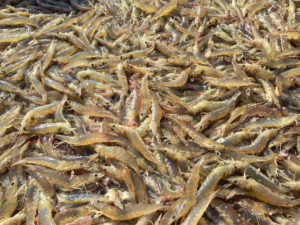
Shrimp feed sustainability conundrum: Fishmeal substitution
A shift towards crop-based ingredients in shrimp feeds reduces dependency on marine resources but places resource demands onto the land and could impact the nutritional value of shrimp.



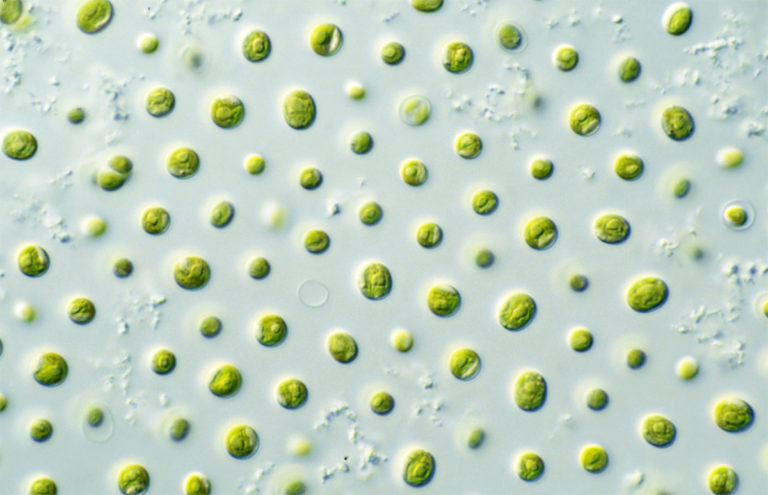
This study examined changes in the biochemical composition of the microalga Nannochloropsis sp. cultivated as a potential feedstock for aquafeeds, and presents results on its productivity, protein content and lipid composition.
A shift towards crop-based ingredients in shrimp feeds reduces dependency on marine resources but places resource demands onto the land and could impact the nutritional value of shrimp.
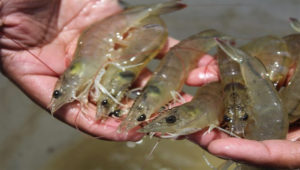
Functional ingredients and additives promote growth, improve health of farmed shrimp, and bolster immune response and other physiological needs.

At the F3 (fish-free feed) Companies Got Talent event in Burlingame, Calif., last week, alternative (non-marine) aquafeed ingredient companies spoke of decoupling aquaculture from fishmeal and fish oil in their quest for greater sustainability.
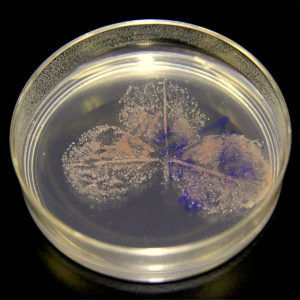
Massachusetts-based biotechnology firm KnipBio is the first single-cell protein manufacturer serving the aquafeed industry to earn Generally Regarded as Safe designation from the U.S. Food and Drug Administration.
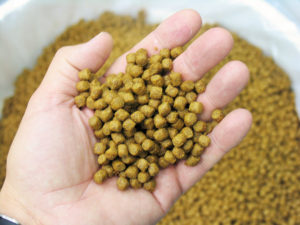
Alltech’s eighth annual Global Feed Survey, a compilation of estimated feed production data, reported that aquafeeds grew globally by 4 percent.
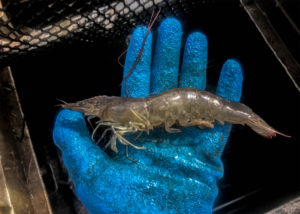
Three years of testing clearly demonstrated that increasing daily feedings through the use of automated feeding systems – a transformational technology – can significantly increase the production and value of L. vannamei produced in semi-intensive pond culture.
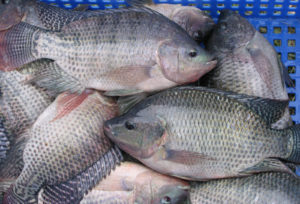
This study evaluated the effect of diets supplemented with fish oil and algae meal for LC-PUFA enrichment on juvenile Nile tilapia. The experimental diets have promise as a feasible option for enriching omega-3 content in tilapia fillets.
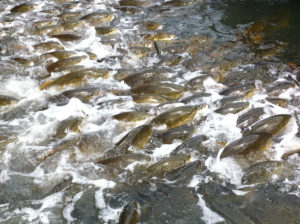
A 15-week feeding trial evaluated the replacement of fishmeal with soybean products in the diet of advanced juvenile red drum.
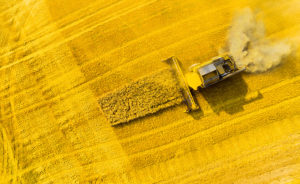
One Germany-based company says rapeseed protein concentrate, or RPC, can help aquafeed manufacturers meet growing demand.
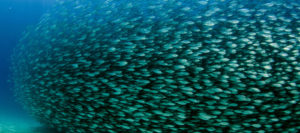
Libby Woodhatch says responsible sourcing and safe raw material production is “vital” if fishmeal and fish oil are to remain credible aquafeed ingredients.
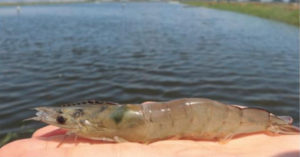
Existing dynamic models applied to the growth of Pacific white shrimp can describe and predict feeding behavior to help farmers achieve maximum benefits.
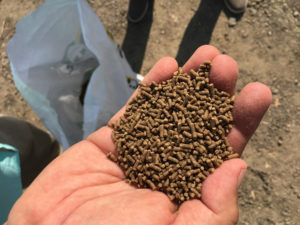
The use of properly and efficiently formulated feeds using least-cost formulation software is an important determinant of a successful crop.

Arbiom hopes to ride the wave of interest in novel feed ingredients and expand production of a nutrient-rich protein meal made from wood residues.
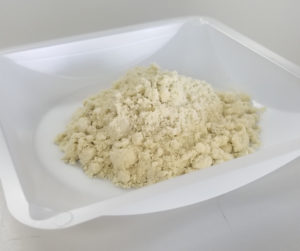
ProTyton is an anaerobically produced single cell protein (SCP) feed ingredient for farmed shrimp. Its maker says it boosts immunity, survival and growth.
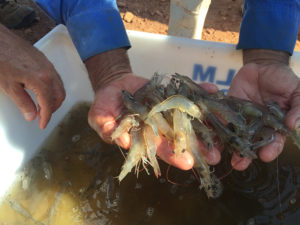
Authors present a practical review of modern formulation options including crystalline amino acids in fulfilling nutritional requirements in aquafeeds.