
It takes guts to advance sustainability in aquaculture
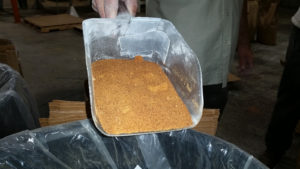
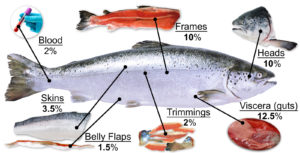
With byproducts representing between 25 to 50 percent of the weight of various fish species, we need to be looking at how the entire fish is being used: even the heads, guts and skin.
Results of a study show that alternative, sustainable, plant-based protein sources such as improved soybean meal may potentially replace fishmeal in Pacific white shrimp diets.
With byproducts representing between 25 to 50 percent of the weight of various fish species, we need to be looking at how the entire fish is being used: even the heads, guts and skin.
Studies showed that the demand feeding system for farmed shrimp – based on multi-rations and combined with sound detection – can be used to distribute the correct dosage of aquafeed with high nutritional density.
Biotechnology firm NovoNutrients aims to produce a line of nutraceutical aquafeed additives as well as a bulk feed ingredient that can supplement fishmeal. Its process includes feeding carbon dioxide from industrial gas to a “microbial consortium” starring hydrogen-oxidizing bacteria.
To position aquaculture for future growth, it needs tools to evaluate a growing spectrum of alternative ingredients and formulated diets designed to optimize fish health and efficient production.
In this feeding study with Pacific white shrimp juveniles cultured at very high density in a closed system, results showed that continuous feeding with a high protein diet is less practical than feeding the shrimp with a low protein diet and under mixed feeding schedules.
Formed in 2015, following Cargill’s acquisition of salmon feed specialist EWOS to complement its own warm-water aquaculture feed business, Cargill Aqua Nutrition produces feed for salmon, tilapia and shrimp in 20 countries around the world.
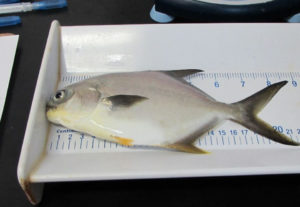
Study evaluated production performance and tissue composition of juvenile Florida pompano fed diets containing fish oil or 25:75 blends of fish oil and various other lipid sources.
A feeding trial was conducted to evaluate the effects of excess dietary branched chain amino acids (BCAAs), isoleucine (Ile) and leucine (Leu) on the growth performance, feed utilization, and blood parameters of juvenile Nile tilapia (Oreochromis niloticus). Results of the study suggest no upper limits for proteinogenic BCAAs in feeds for Nile tilapia formulated using practical ingredients.
Un estudio de dietas experimentales para camarón juvenil mostró una reducción a la mitad del uso de harina de pescado. La inclusión limitada de harina de krill compensa otros ingredientes caros.
In the second Pecha Kucha presentation from the Global Aquaculture Alliance's annual GOAL conference in Dublin, Ireland, Larry Feinberg of KnipBio talks about the potential of single-cell organisms as alternative aquafeed ingredients, and how his technology can lessen the industry's dependence on fishmeal and fish oil.
A study of experimental diets for juvenile shrimp showed a halving of fishmeal usage. Limited inclusion of krill meal offset other expensive ingredients.
The latest Fish In:Fish Out (FIFO) ratios calculated by IFFO – The Marine Ingredients Organisation shows that every kilogram of wild fish utilized in aquafeeds results in a total of 4.55 kilos of farmed fish produced.
Aquafeed formulas should perform under an optimal set of processing parameters to achieve desired attributes, maximizing nutritional value and extruder output.
A recent study at the Federal University of Rio Grande in Brazil showed that it is possible to reduce the C:N ratio in biofloc cultures, to decrease the water volume used and the total suspended solids produced, with resulting savings.
The inaugural F3 Challenge sought to drive innovation in the aquafeed sector and reduce aquaculture's reliance on marine ingredients like fishmeal and fish oil.