


DNA chip helps protect and improve two important European clams

Tool offers a practical way to study genetic traits such as growth or resilience
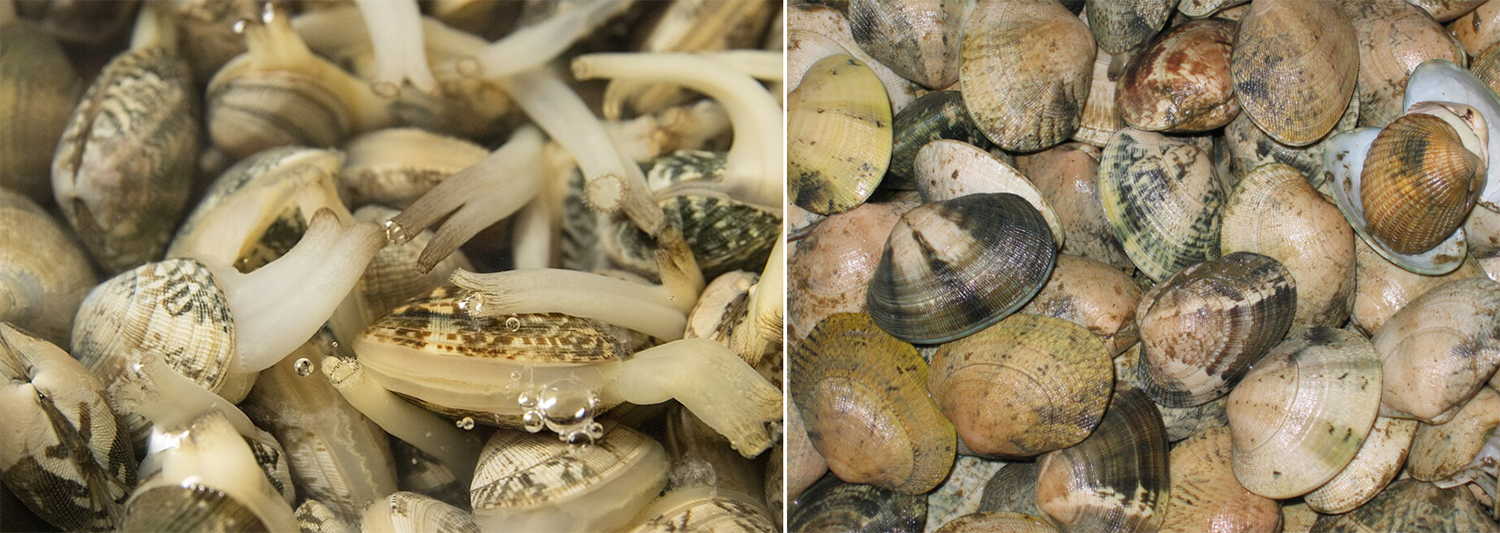
European university scientists and other private researchers recently reported on the design and validation of a lab tool that can quickly identify two commercially important species of clams.
The tool is the first medium-density SNP array for the Manila clam (Ruditapes philippinarum) and the grooved carpet shell (Ruditapes decussatus). The tool can quickly check thousands of specific single-letter DNA differences in a sample to produce a consistent genetic profile for uses like parentage checks or population comparisons.
The publicly available array provides a cost-effective platform for population genomics, selective breeding, genome-wide association studies and genetic monitoring, supporting better management of genetic diversity and sustainable farming of both species.
A study – authored by Dr. Luca Peruzza and several colleagues – at the University of Santiago de Compostela (Spain); the University of Padova, and the National Future Biodiversity Center (Italy); the Centro Interdisciplinar de Investigação Marinha e Ambiental (Portugal); the University of Edinburgh, and Benchmark Genetics (UK); and the Technical University Institute of Brest (France) – reports that this new SNP array offers reliable, genome-wide genotyping for both species, supporting pedigree checks, population monitoring, stock discrimination and traceability in aquaculture.

Further validation is needed, but the resource provides a practical tool for trait research and more sustainable management of farmed and wild clam stocks.
“A new genetic tool could help establish selective breeding programs for two commercially important clam species, supporting more resilient and sustainable mollusc aquaculture,” Dr. Luca Peruzza, corresponding author of the study, told the Advocate.
“Developed through a collaborative initiative, the dual-species SNP array analyses more than 63,000 genetic markers across the Manila clam and grooved carpet shell. It provides the basis for breeding programs targeting a wide range of traits, including growth, disease resistance and tolerance to environmental stress. The array can support genome-wide association studies (GWAS) to identify genetic markers associated with these traits, paving the way for marker-assisted selection (MAS) and genomic selection to improve breeding decisions.”
Clams are an important source of lean protein along Europe’s coastline, and two species dominate: the Manila clam and the native grooved carpet shell. The Manila clam was introduced from the Indo-Pacific in the 1970s because it grows faster and tolerates a wider temperature range, and it quickly spread and became Europe’s most valuable clam, with Italy as the top producer.
Together, they once made up about a quarter of European shellfish output, but both have since declined sharply. Venice lagoon Manila clam landings fell from ~40,000 tonnes a year in the early 2000s to under 3,000 metric tons by 2019, while native stocks dropped an estimated 70 percent from their early-1990s peak. Longer marine heatwaves, habitat loss, over-harvesting and competition are all implicated. These losses matter beyond the plate because filter-feeding clams help remove excess nutrients and limit eutrophication.
The research team involved in this study created and tested the first medium-density DNA chip designed for both the Manila clam and the native grooved carpet shell. The chip looks at thousands of tiny, single-letter differences in the animals’ DNA. To build it, the scientists used a new high-quality genome map for the Manila clam and an existing one for the grooved carpet shell. They scanned millions of possible differences, then carefully selected the most reliable ones – about 49,000 for the Manila clam and 14,000 for the native clam – for a total of roughly 63,000 markers. These markers are spaced out across the animals’ chromosomes, so the chip gives a broad, even picture of the genome.
To evaluate the new DNA chip, the researchers analyzed 384 clams: 288 Manila clams from wild European sites and a French hatchery, plus 96 native clams from beds in Portugal, Sardinia and Venice. More than 95 percent of the samples passed standard quality checks. About two-thirds of the markers on each panel performed well enough to be used in further studies. The results showed clear differences between clams from different places, and the chip also proved useful for working out which parents had produced which offspring in Manila clam families. When the correct parents were included, mismatches were low; when the wrong parents were used, the mismatches rose sharply. This gives breeders a reliable way to confirm family relationships.
To protect sensitive habitat, oyster farms turn to high-tech tools
Marine clams are hard to manage genetically due to high DNA variation, frequent null alleles and unexpected genotype patterns that weaken traditional markers. Consistent high-resolution tools are needed to separate natural diversity from the effects of transfers, stock enhancement or hybridization. The practical payoff of this research for industry is straightforward. Genome-wide SNP panels are already the standard tool for routine genomic evaluation in aquaculture; they deliver higher accuracy and better cost-efficiency than sequencing-based alternatives for breeding programs. In salmon, selection for resistance to a single viral disease nearly eliminated outbreaks within five years; comparable gains in growth, disease tolerance or environmental resilience are expected in bivalves once reliable genotyping becomes routine.
Comparable medium-density arrays already exist for oysters and, more recently, for the hard clam, and have been used for population structure, association studies and genomic prediction. The new clam chip fills the corresponding gap for the two European species of greatest commercial importance. Because it is publicly available and commercially orderable, different hatcheries and research groups can generate comparable data sets over successive generations, making it easier to track inbreeding, monitor the genetic consequences of restocking, or identify local adaptations that might otherwise be lost.
This new DNA chip opens several practical next steps. The set of markers for the native clam is still fairly thin, so more sequencing could add markers and give a clearer picture of how genes influence traits, building on earlier genetic work already done for that species. Once many more animals are genotyped and linked to real-world traits – such as growth rate, survival in warmer or low-oxygen water, or resistance to parasites – the same markers can help breeders identify which DNA patterns matter most and select better stock more quickly and accurately, while also keeping relatedness under control. The chip can also be used to check the genetic makeup of young clams raised in hatcheries before they are released, and to study cases where the two species mix in the wild.
Overall, the new chip turns a previously laborious and expensive step – obtaining reliable genome-wide genotype data – into a routine service for two of Europe’s most valuable clam species. By making it easier to breed more resilient stock and to watch over the genetic health of both farmed and wild populations, the resource supports the dual goals of sustainable production and conservation that the European Union’s Blue Growth strategy has set for coastal aquaculture. As more users adopt the platform and as denser panels or linked trait data become available, the practical payoff should grow well beyond the initial validation set of a few hundred animals.
“By helping researchers identify family relationships, monitor genetic diversity and assess inbreeding, the tool can also strengthen the management of hatchery stocks and wild populations, connecting improvements in aquaculture production with the conservation of clam genetic resources,” concluded the team of researchers.
Editor’s Note:
The array was developed through a collaborative initiative within the EU-funded projects “ShellFishBoost” (project ID: SBEP23_00051) and “IGNITION” (Grant Agreement No. 101084651), and the STARS@UNIPD grant “ASAP”, coordinated by the GEMMA lab at the University of Padova (Italy), in partnership with the University of Santiago de Compostela (Spain), the University of Porto (Portugal), the Roslin Institute (UK), and the hatcheries Oceano Fresco (Portugal) and Satmar (France). Benchmark Genetics was responsible for the technical development of the array and its implementation in chip format.
Now that you've reached the end of the article ...
… please consider supporting GSA’s mission to advance responsible seafood practices through education, advocacy and third-party assurances. The Advocate aims to document the evolution of responsible seafood practices and share the expansive knowledge of our vast network of contributors.
By becoming a Global Seafood Alliance member, you’re ensuring that all of the pre-competitive work we do through member benefits, resources and events can continue. Individual membership costs just $50 a year.
Not a GSA member? Join us.
Author
-

Editor Emeritus
Related Posts

Intelligence
Government promotes shellfish culture in Turkey
Turkey has many kilometers of coastline, but shellfish culture is developing slowly in the country. Only two bivalve farms producing mussels presently operate there. Mussel spat is collected naturally on the long line systems.
Innovation & Investment
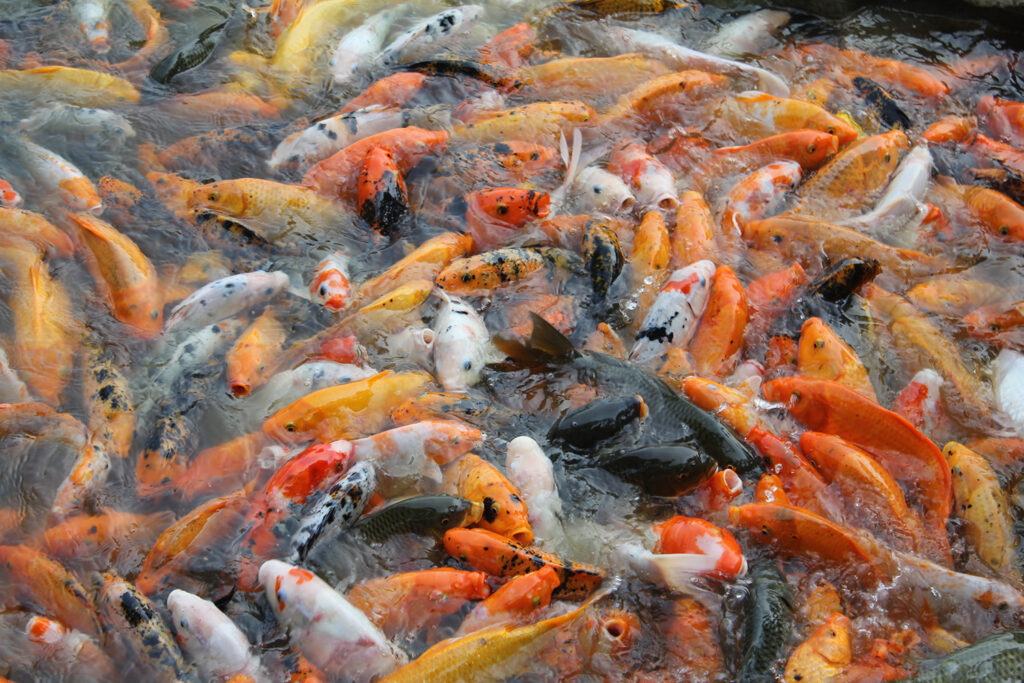
Advances in breeding technologies for fish color traits in aquaculture
A review of the genetic and molecular mechanisms causing fish pigmentation provides framework for aquaculture genetic engineering strategies.
Intelligence
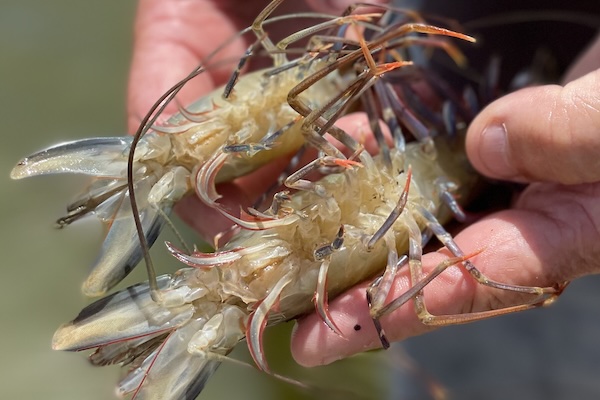
CSIRO-led research identifies genetic markers to support black tiger shrimp breeding
CSIRO and Genics have developed genomic tools to map sex and diversity in black tiger shrimp, improving selective breeding and reliability.
Intelligence
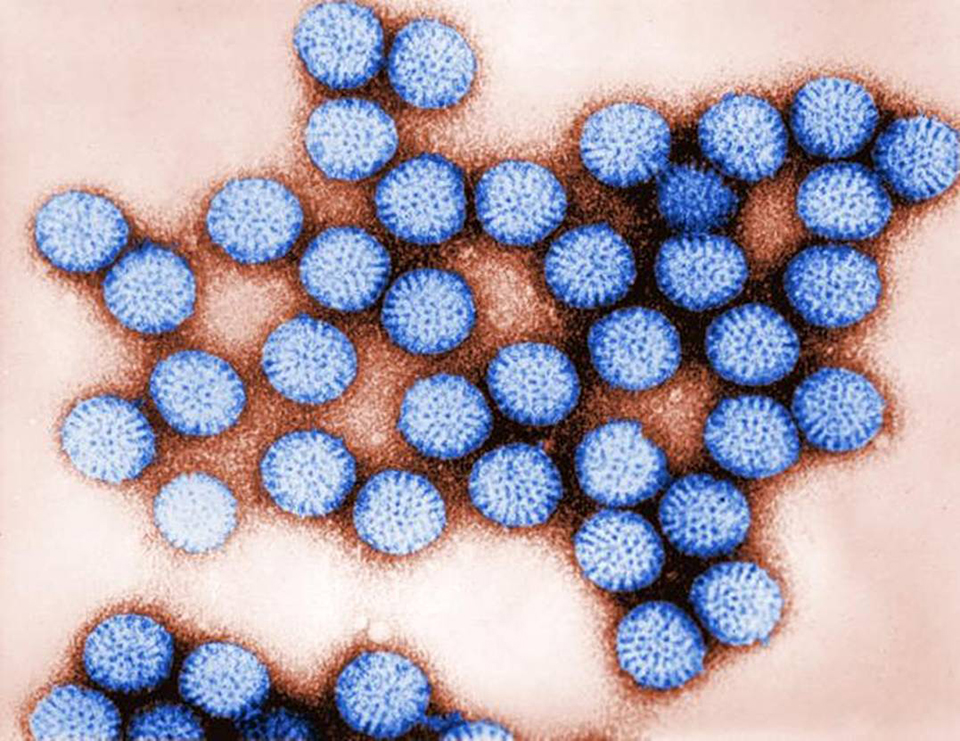
Human enteric viruses in shellfish, part 1
Commercially harvested shellfish have been reported to cause gastro-enteritis when humans consume virus-contaminated products. Rotaviruses are one of the main types of viruses able to survive and persist in the aquatic environment.