


Can ‘flying’ doors reduce the environmental impact of bottom trawling?

Researchers in Spain to test if semi-pelagic ‘flying’ doors can minimize seafloor disturbance caused by bottom trawling without affecting catches
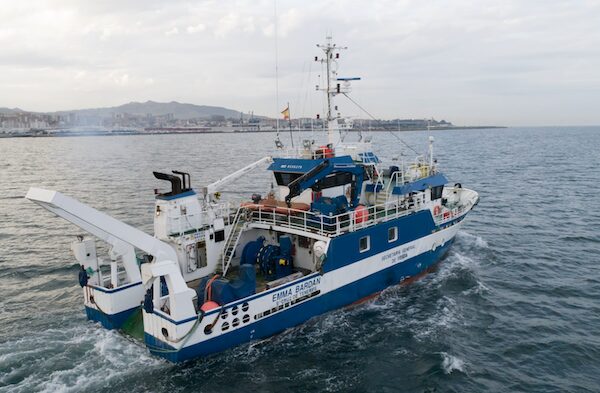
Researchers have launched a field trial off the coast of Alicante, Spain, to test modified trawl doors designed to reduce seafloor impacts caused by bottom trawling without compromising catch performance.
The project is evaluating semi-pelagic (or “flying”) trawl doors, which operate slightly above the seabed rather than dragging directly across it. Researchers hope the technology will reduce seabed contact and sediment disturbance while maintaining the stability and net opening needed for efficient fishing.
The trial is being carried out by Spain’s General Secretariat for Fisheries and the General Fisheries Commission for the Mediterranean (GFCM) of the U.N. Food and Agriculture Organization (FAO), with field activities led by the Spanish Institute of Oceanography.
To ensure a fair comparison, researchers are using a single commercial bottom trawl vessel throughout the trial. The vessel will first fish with semi-pelagic doors before switching to conventional doors in the same fishing grounds, minimizing the effects of seasonal and environmental changes on the results.
![Ad for [BSP]](https://www.globalseafood.org/wp-content/uploads/2025/07/BSP_B2B_2025_1050x125.jpg)
“During the fishing operations, researchers will assess catch rates, catch composition, gear geometry, trawl door behavior and operational efficiency,” said Sergi Tudela, fishery officer and coordinator of the GFCM Western Mediterranean Technical Unit. “The objective is to determine whether semi-pelagic doors can reduce environmental impacts without compromising fishing performance or the practicality of day-to-day commercial operations.”
The AI tool that aims to make bottom trawling smarter and prevent bycatch and discards
The trial focuses on Mediterranean bottom trawl fisheries targeting commercially important species including European hake, deep-water rose shrimp, red mullet, blue and red shrimp, Atlantic horse mackerel, mantis shrimp, common pandora and broadtail shortfin squid.
The fisheries research vessel Emma Bardán, operated by Spain’s General Secretariat for Fisheries, will map the seabed before and after trawling with each type of door to compare their environmental impacts. Researchers will also monitor water clarity during fishing operations to measure how much sediment each gear type disturbs.
According to the project partners, the findings will provide scientific evidence to support lower-impact fishing technologies and help inform future fisheries management decisions aimed at protecting marine ecosystems while maintaining productive fisheries in the Mediterranean.
Now that you've reached the end of the article ...
… please consider supporting GSA’s mission to advance responsible seafood practices through education, advocacy and third-party assurances. The Advocate aims to document the evolution of responsible seafood practices and share the expansive knowledge of our vast network of contributors.
By becoming a Global Seafood Alliance member, you’re ensuring that all of the pre-competitive work we do through member benefits, resources and events can continue. Individual membership costs just $50 a year.
Not a GSA member? Join us.
Author

Related Posts
Fisheries
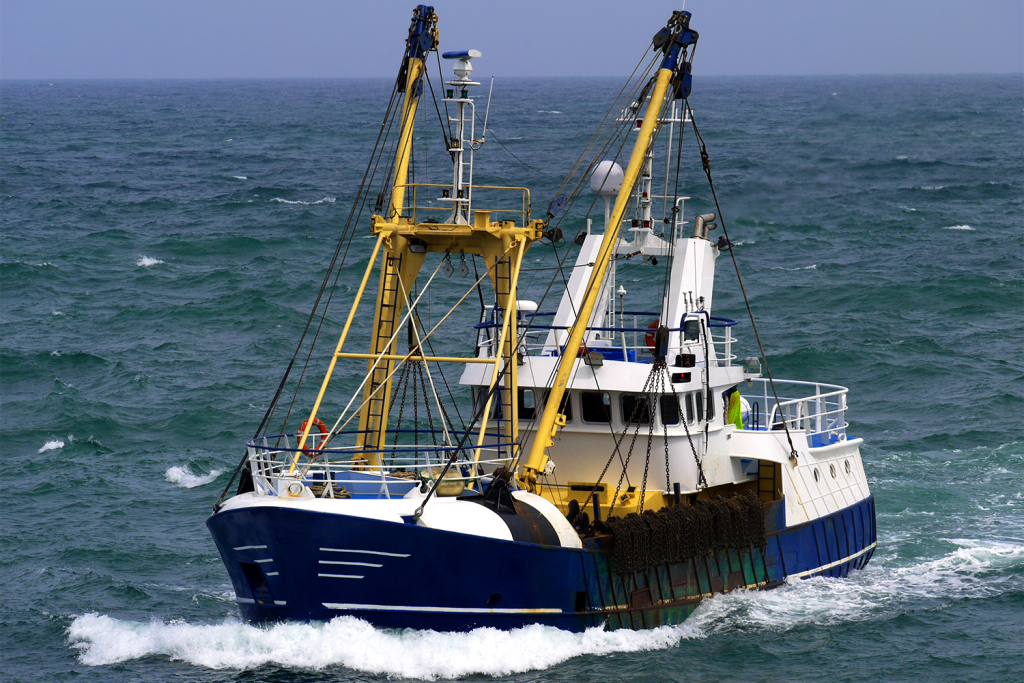
Fisheries in Focus: Busting misconceptions about bottom trawling and its environmental impacts
Fisheries researchers examine all environmental impacts of bottom-trawling and compare the fishing method to other forms of food production.
Fisheries
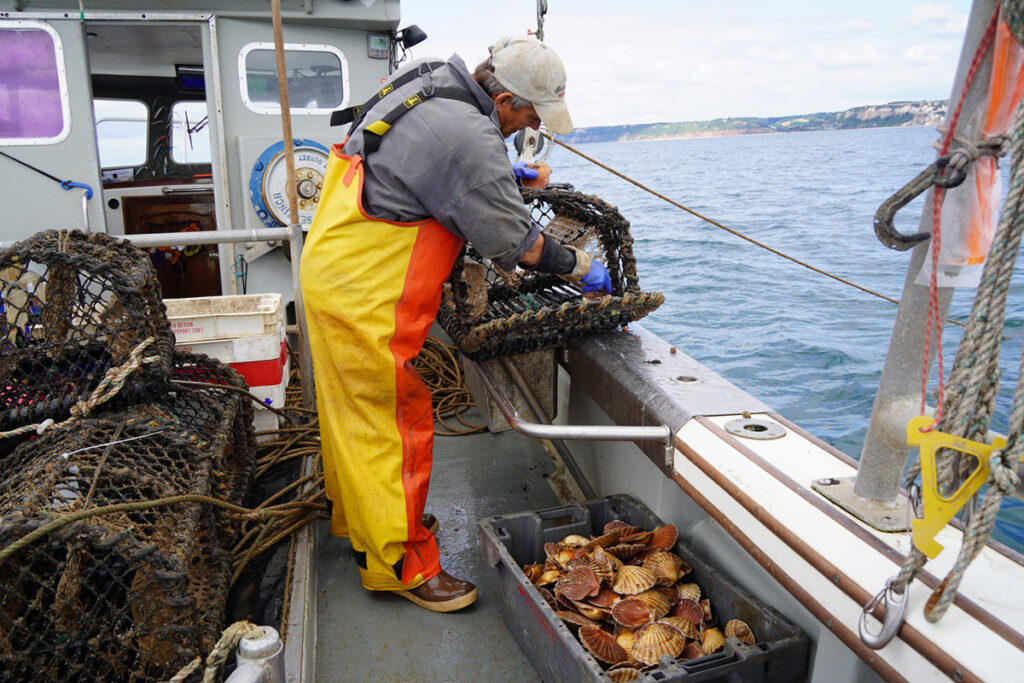
Beyond bait: Fisheries innovators use light, behavior and biology to reduce impact
Fisheries innovators are exploring “baitless” systems using visual stimuli, species-specific responses and gear design to draw in target species.
Fisheries
Report spotlights emerging technologies to improve animal welfare in capture fisheries
An ALI report outlines emerging technologies and practices to improve animal welfare in fisheries, including AI monitoring.

Fisheries
Sediment suspended by bottom trawling can reduce reproductive success in Atlantic cod and other broadcast spawning fishes
Bottom trawling could decrease the spawning of cod, and other fishes with pelagic eggs, through concentrations of suspended sediments.