


Offshore aquaculture demonstration clears final permitting hurdle in Gulf of Mexico

The Velella Epsilon project will test offshore aquaculture by raising a single batch of red drum in U.S. federal waters
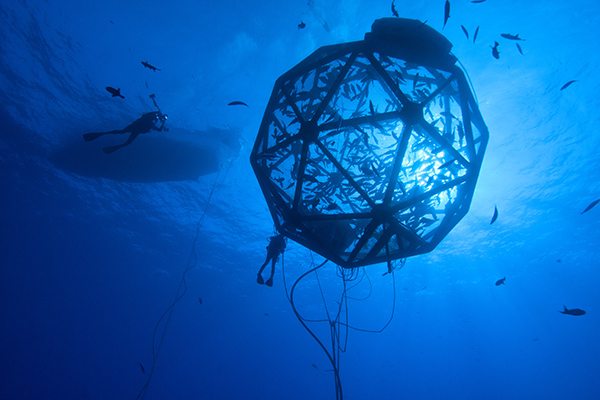
A proposed offshore aquaculture demonstration in the Gulf of Mexico has received its final federal permit, clearing the way for what Ocean Era and GulfStream Aquaculture say will be the first demonstration of fish farming in U.S. federal waters in the Gulf.
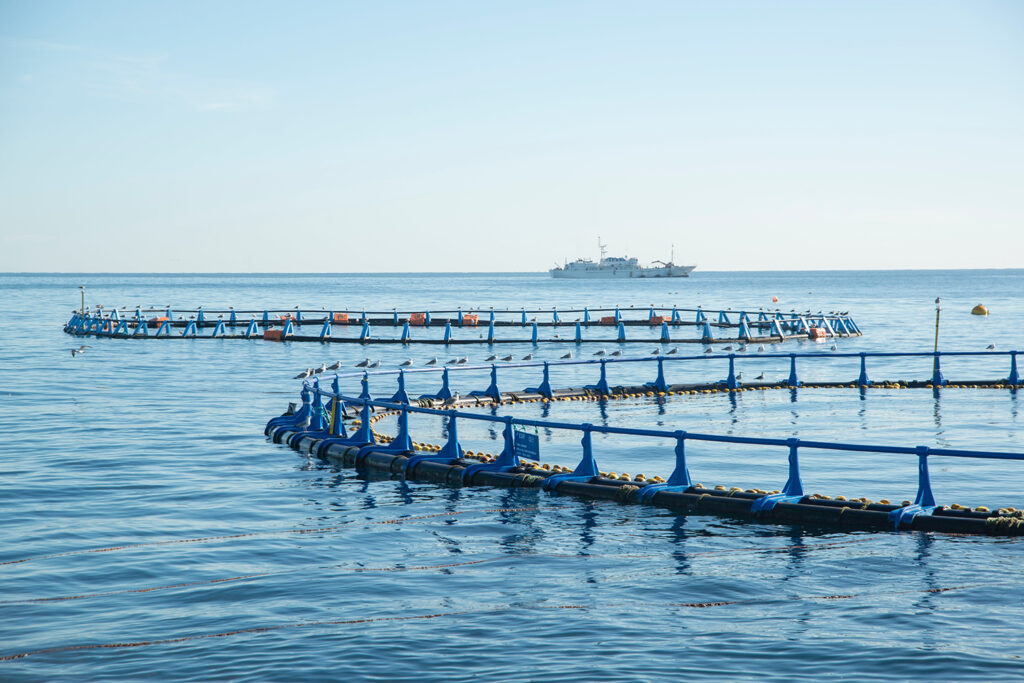
The project, known as Velella Epsilon, will raise a single, small batch of red drum in an offshore net pen located more than 40 miles off the coast of Sarasota, Florida. According to the companies, the demonstration is designed to evaluate offshore aquaculture while monitoring its environmental and social impacts, with all results to be made publicly available. The project is supported by the National Sea Grant Program and conducted in partnership with the University of Miami.
Ocean Era said the demonstration is intended to test offshore aquaculture technology while showing how such operations could coexist with recreational fishing and boating in the Gulf.
“One of the primary goals of this demonstration project is to show the Florida fishing and boating communities that offshore aquaculture will be something that they will love. We now, finally, have our chance to do that,” said Ocean Era Founder and CEO Neil Anthony Sims. “A further goal was to pioneer the permitting process for offshore aquaculture in Federal waters in the Gulf. So, as a demonstration project, it has been tremendously successful, in that it has demonstrated with abundant clarity that regulatory reform is sorely needed.”

The final permit follows an eight-year regulatory review that required approvals under nine federal and state laws and involved 12 federal and state agencies. GulfStream Aquaculture, a Florida-based environmental consulting company, led the permitting process. According to Ocean Era, the project was also challenged through appeals filed with the U.S. Environmental Protection Agency’s Environmental Appeals Board, which were ultimately rejected.
The companies expect the project to begin in early 2027, barring unforeseen delays.
“This proposed project is a very small-scale, temporary demonstration – just a single, small batch of fish,” said Sims. “The project will be closely monitored for environmental and social impacts, and the results will all be made publicly available.”
Sims said Ocean Era also views offshore aquaculture as an opportunity to expand domestic seafood production.
“The USA has a seafood trade deficit of over $20 billion per year,” said Sims. “We believe that Americans should be growing our own fish, instead of putting all of our eggs in other countries’ baskets. But to be able to make this happen, the current regulations around offshore aquaculture clearly need to change.”
Ocean Era said it hopes the project will help inform future discussions about offshore aquaculture policy. The company pointed to the proposed Marine Aquaculture Research for America (MARA) Act, which, if approved by Congress, would authorize the National Oceanic and Atmospheric Administration to permit additional offshore aquaculture demonstration projects around the U.S. coastline.
“This would then expand the opportunities for communities, scientists and regulators to better understand the actual benefits that would spring from this industry, and where the real issues lie,” said Sims. “We hope that the challenges that our Velella Epsilon project has faced will help our legislators understand the very real costs of continuing the status quo.”
Now that you've reached the end of the article ...
… please consider supporting GSA’s mission to advance responsible seafood practices through education, advocacy and third-party assurances. The Advocate aims to document the evolution of responsible seafood practices and share the expansive knowledge of our vast network of contributors.
By becoming a Global Seafood Alliance member, you’re ensuring that all of the pre-competitive work we do through member benefits, resources and events can continue. Individual membership costs just $50 a year.
Not a GSA member? Join us.
Author

Related Posts
Innovation & Investment
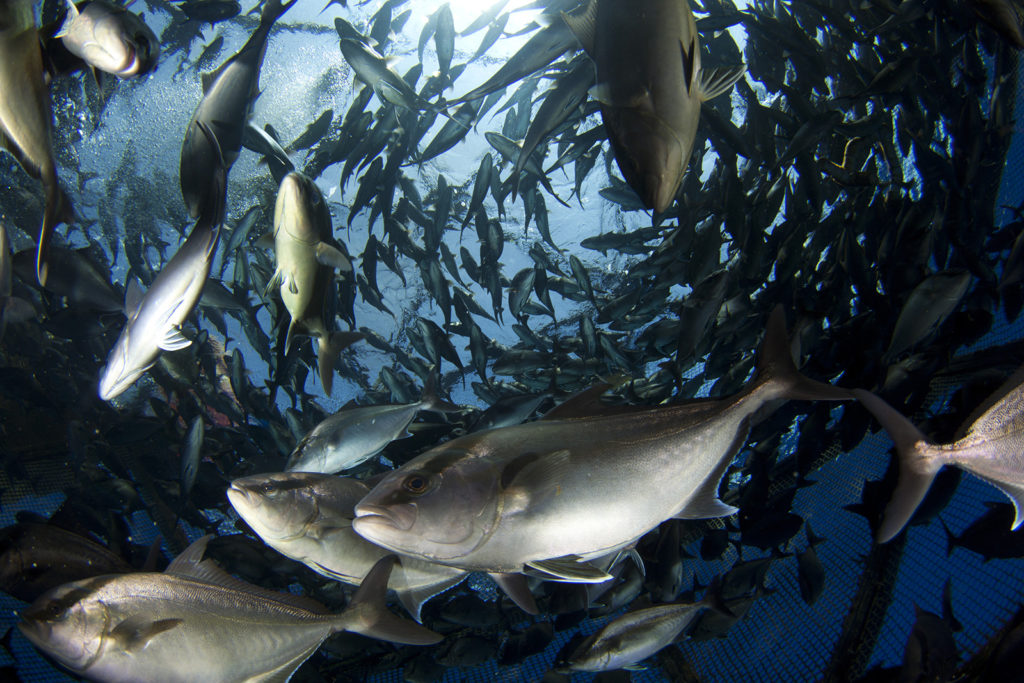
Offshore aquaculture inches closer to reality in the Gulf of Mexico
New U.S. policies for offshore aquaculture permitting will soon be put to the test in the Gulf of Mexico. With imported products dominating the U.S. seafood landscape, some argue the time has come for the industry to take a leap forward.
Intelligence
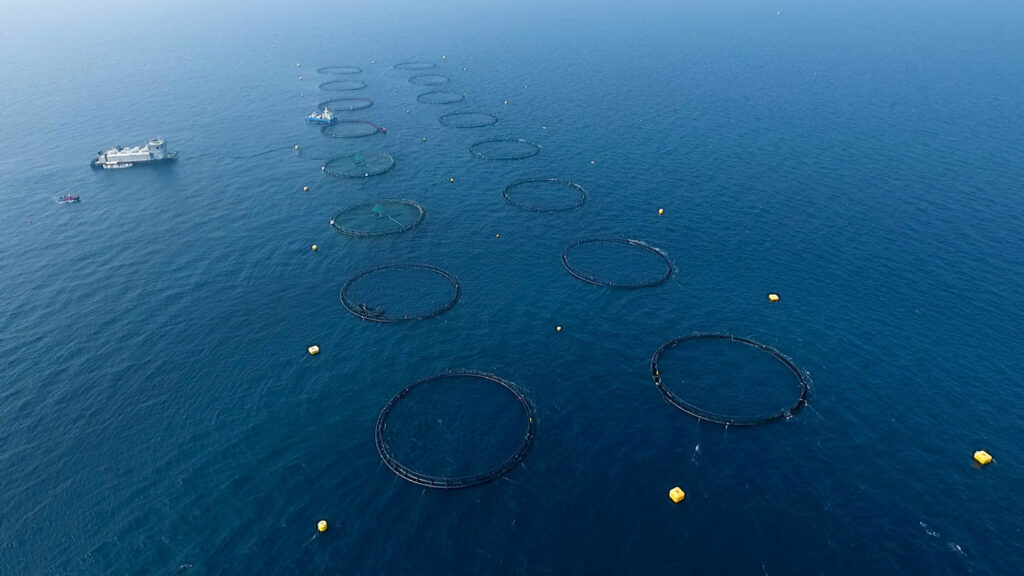
After first harvest, offshore aquaculture venture in Qatar sets fresh ambitions
With a successful sea bass harvest last fall, Qatar’s only offshore aquaculture venture now seeks to double production and diversify into other species.
Intelligence
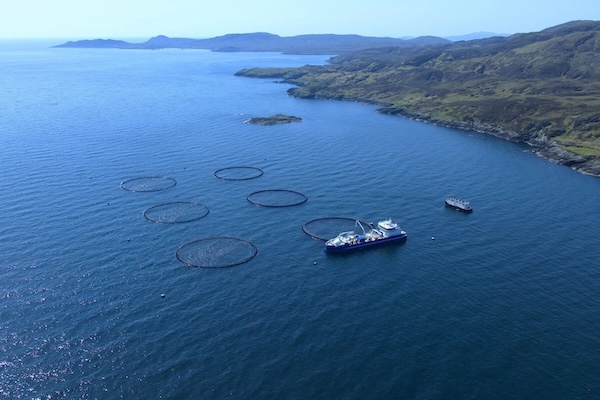
First salmon stocked at high-energy offshore aquaculture site in Scotland’s Western Isles
Mowi has stocked its first salmon at a new high-energy offshore aquaculture site, expanding capacity in Scotland's Western Isles.
Intelligence
Should the standard terminology describing ‘offshore’ aquaculture be changed?
A new study contends the term “offshore” aquaculture should be resolved into two separate metrics: distance from shore and energy exposure.