


Study suggests farmed salmon can be net producer of edible omega-3s

Researchers used the FIFO Performance Tool to show that farmed salmon can deliver more edible omega-3 fatty acids than the wild fish inputs used in feed

Farmed salmon may provide consumers with more edible omega-3 fatty acids than are contained in the wild fish ingredients used in feed, according to a recent study.
The research revisits the Fish In: Fish Out (FIFO) metric, commonly used to assess the amount of wild fish required to produce farmed fish. The study argues that FIFO calculations should also account for the retention of essential nutrients, including the omega-3 fatty acids EPA and DHA, as they move from wild fish inputs into farmed seafood.
Led by Dr. Wesley Malcorps of Blue Food Performance and the University of Stirling’s Institute of Aquaculture, in collaboration with the Stockholm Resilience Centre, the study applied a FIFO Performance Tool to assess current and historical aquaculture diets.
The analysis found that Atlantic salmon farmed in the Faroe Islands and tilapia farmed in China can act as net producers of edible EPA and DHA. According to the study, this is largely due to the use of marine ingredients derived from by-products that likely would not otherwise be available for direct human consumption.

The findings highlight the need to align FIFO metrics with Life Cycle Assessment (LCA) approaches, which are used to measure carbon footprints and other environmental impacts. The release said integrating FIFO outputs into broader sustainability assessments and reporting frameworks can support more consistent, transparent and credible decision-making across the sector.
“A unified ‘fish-as-feed’ sustainability framework moves us from fragmented, unverified claims to credible impact – through consistent measurement, clear comparability, and shared transparency,” said Malcorps. “It provides the foundation for a common language that the industry can scale across other sustainability priorities.”
The study also introduces a practical tool for industry users. Developed by Blue Food Performance, the FIFO Performance Tool allows stakeholders to calculate and optimize FIFO metrics in line with industry standards and Product Environmental Footprint Category Rules-compliant LCAs.
An updated version of the tool allows users to compare species diets, benchmark alternative ingredient scenarios and evaluate FIFO performance. According to Blue Food Performance, the tool has more than 100 users, including feed companies, emerging ingredient producers, NGOs and academics.
Dr. Richard Newton, LCA specialist at Blue Food Performance and lecturer in resilient food systems at the University of Stirling’s Institute of Aquaculture, said the study shows that nutritionally sensitive metrics can be applied to aquaculture sustainability assessments.
“nFIFO was the culmination of years of evolution of metrics measuring the efficiency of using marine ingredients in aquaculture,” said Dr. Richard Newton, LCA specialist at Blue Food Performance and lecturer in resilient food systems at the University of Stirling’s Institute of Aquaculture. “We have to become much more efficient with our resources to deliver not just food, but quality nutrition.”
Now that you've reached the end of the article ...
… please consider supporting GSA’s mission to advance responsible seafood practices through education, advocacy and third-party assurances. The Advocate aims to document the evolution of responsible seafood practices and share the expansive knowledge of our vast network of contributors.
By becoming a Global Seafood Alliance member, you’re ensuring that all of the pre-competitive work we do through member benefits, resources and events can continue. Individual membership costs just $50 a year.
Not a GSA member? Join us.
Author

Related Posts
Aquafeeds
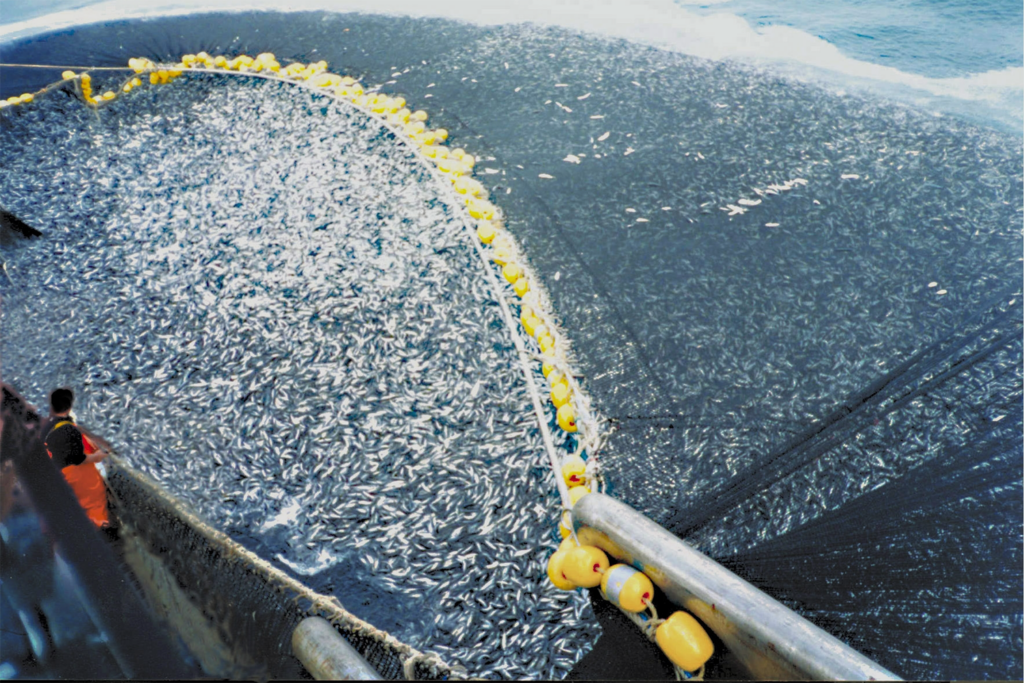
Study re-evaluates the wild fish required for global aquaculture feed
Is aquaculture’s use of wild fish greater than commonly cited? Researcher says a broader approach can better calculate wild biomass used in aquaculture feed.
Aquafeeds
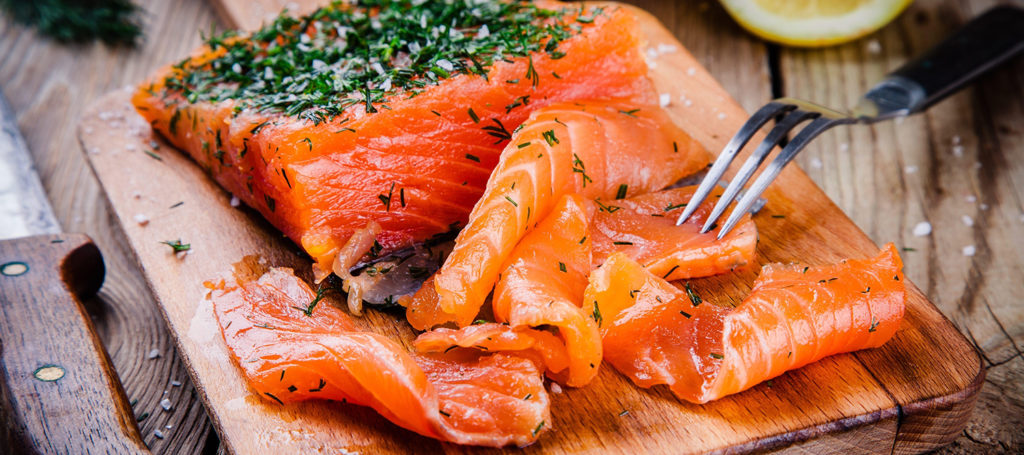
Aquaculture’s input efficiency shines as FIFO ratios improve
The latest Fish In:Fish Out (FIFO) ratios calculated by IFFO – The Marine Ingredients Organisation shows that every kilogram of wild fish utilized in aquafeeds results in a total of 4.55 kilos of farmed fish produced.
Aquafeeds
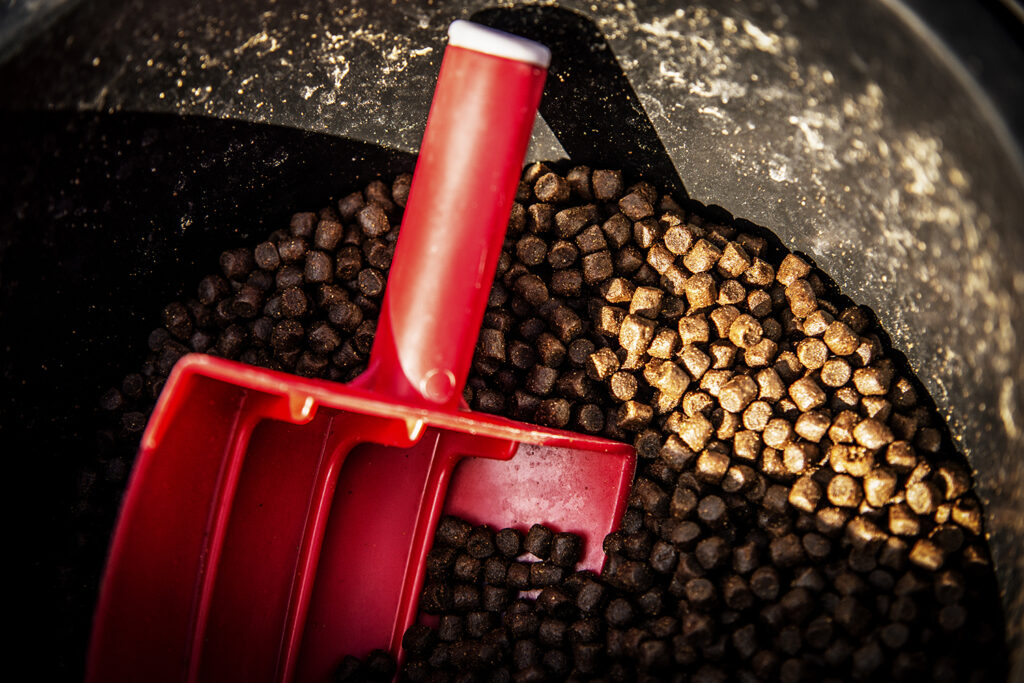
Fishmeal and fish oil alternatives are here but a greater scale is needed for true impact
While salmon farmers are reducing fishmeal and fish oil usage, alternative ingredients are promising but supplies need scaling up, feed experts say.
Health & Welfare
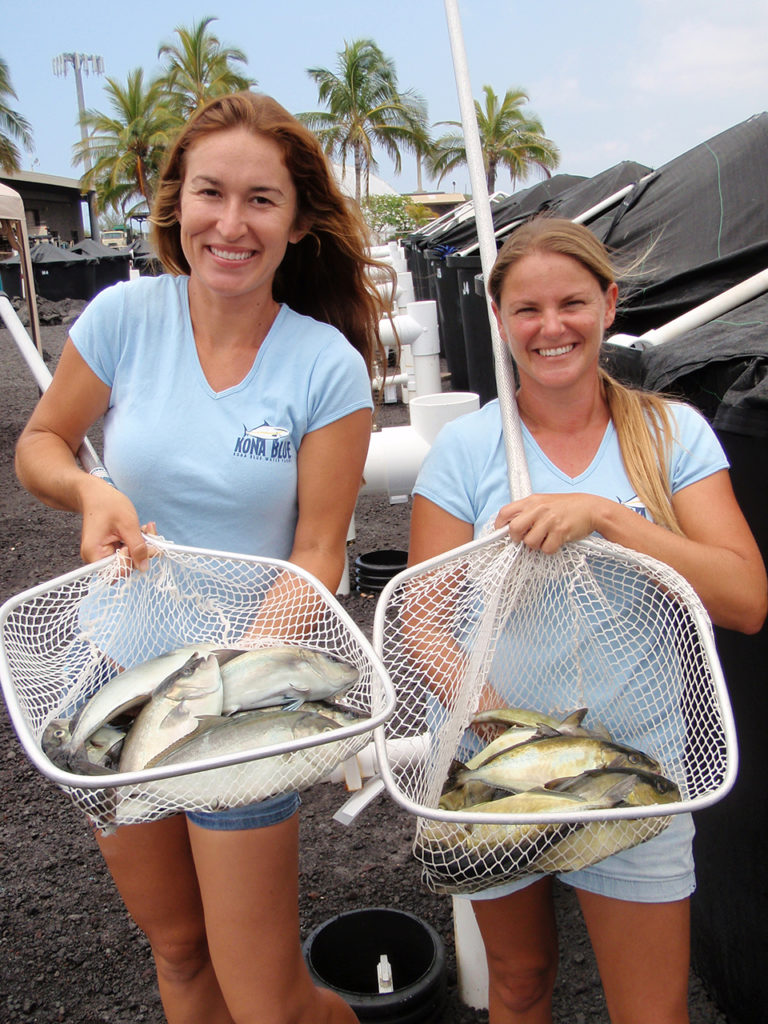
Novel soy proteins, oils replace fishmeal to achieve FIFO under 1:1 in amberjack
In a nutrition trial, longfin amberjack received two diets composed of 40 percent soy protein concentrate and 10 percent fishmeal, and a control diet with 20 percent fishmeal.