


Juvenile Chinook salmon in Fraser River are swimming in a ‘chemical cocktail,’ study warns

Juvenile Chinook salmon in Fraser River are exposed to hundreds of contaminants from pharmaceuticals, personal care products and industrial chemicals, conclude scientists
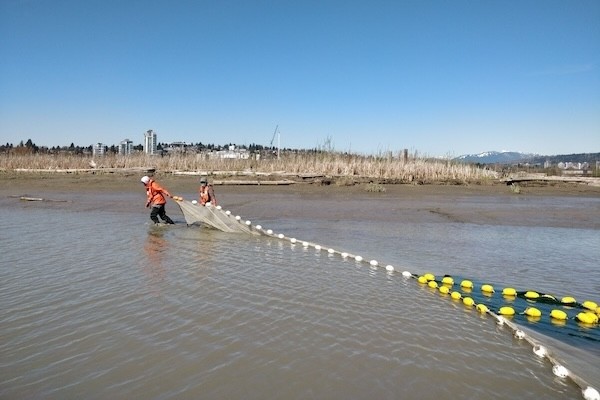
Juvenile Chinook salmon migrating through the Lower Fraser River estuary are being exposed to a complex mixture of contaminants, including pharmaceuticals, stimulants and industrial chemicals, according to a study from Simon Fraser University.
The study, published in Environmental Toxicology and Chemistry, found more than 200 contaminants in water samples and fish tissue collected from five sites in the estuary, highlighting the range of human-derived pollutants present in the ecosystem.
Among the substances detected were medications commonly used to treat high blood pressure, diabetes and depression, alongside caffeine and cocaine.
“We’ve shown there’s a mixture of chemicals in the Lower Fraser, which not only presents potential risks to juvenile Chinook, but also other aquatic life,” said Bonnie Lo, environmental scientist and lead author of the study.
![Ad for [BSP]](https://www.globalseafood.org/wp-content/uploads/2025/07/BSP_B2B_2025_1050x125.jpg)
The research focused on juvenile Chinook salmon from the Harrison River stock, the largest Chinook population in the Lower Fraser River. Scientists analyzed water and tissue samples from five estuary sites, screening for more than 595 contaminants across nine chemical groups. They detected 288 organic contaminants in water samples and 368 in fish tissue, including flame retardants, pesticides, industrial chemicals and pharmaceuticals.
Of those, 16 contaminants exceeded thresholds considered safe for aquatic life and were classified as priority contaminants, while another 23 were flagged for future monitoring.
Researchers said the findings are concerning not only for Chinook salmon, but also for marine species that depend on them as a food source.
“Chinook salmon from the Fraser River account for up to 90 percent of the West Coast’s Endangered Southern Resident killer whales’ diet during the summer months,” said Tanya Brown, marine ecotoxicologist and senior study author.
More than 85 percent of Chinook populations are now classified as Endangered or Threatened by the Committee on the Status of Endangered Wildlife in Canada, following decades of decline.
Priority contaminants included pharmaceuticals, pesticides, flame retardants, polycyclic aromatic hydrocarbons and polychlorinated biphenyls (PCBs), all of which have the potential to harm Chinook salmon and other aquatic species.
Another 23 contaminants were placed on a watchlist for future monitoring.
“Toxicity data is mostly based on single-chemical exposures, but these fish are being exposed to hundreds of chemicals at once,” said Brown. “We simply don’t yet understand the additive effects of this chemical cocktail.”
Juvenile Chinook in the Fraser River estuary are already exposed to multiple stressors, including rising water temperatures and pathogens, according to study co-author Dave Scott.
“Harrison Chinook in particular arrive at very small sizes and depend heavily on these habitats for growth prior to entering the ocean,” Scott said. “Contaminant exposure is an additional stressor acting on the same fish during the same critical window.”
Researchers said further studies are underway to better understand how exposure to this mixture of contaminants may affect the growth and survival of juvenile Chinook salmon.
Now that you've reached the end of the article ...
… please consider supporting GSA’s mission to advance responsible seafood practices through education, advocacy and third-party assurances. The Advocate aims to document the evolution of responsible seafood practices and share the expansive knowledge of our vast network of contributors.
By becoming a Global Seafood Alliance member, you’re ensuring that all of the pre-competitive work we do through member benefits, resources and events can continue. Individual membership costs just $50 a year.
Not a GSA member? Join us.
Author

Related Posts
Responsibility
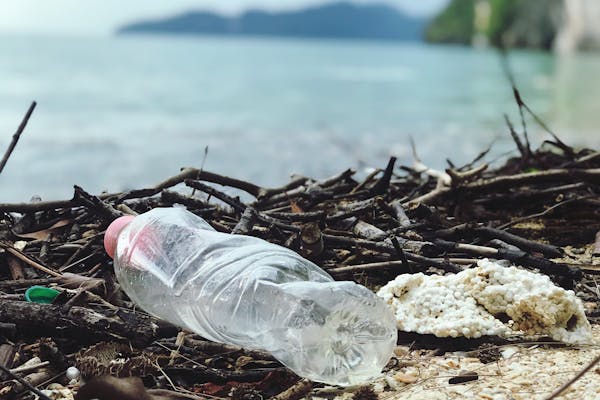
Researchers detect microplastics in the muscle tissues of Oregon seafood
A Portland State University study finds microplastics in the muscle tissue of samples of commonly consumed seafood products from Oregon.
Responsibility
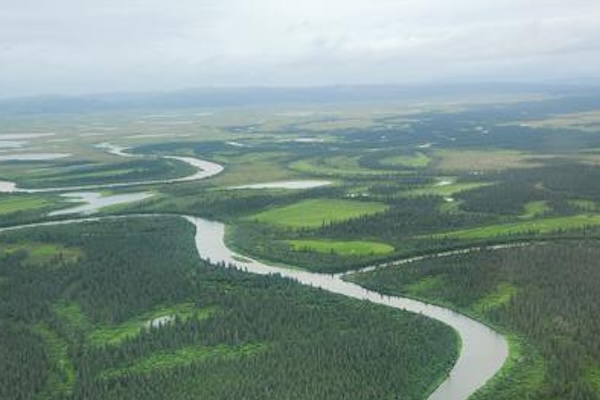
Study: Warming Arctic rivers threaten Chinook salmon and food security for Indigenous communities
Warming Arctic rivers put Chinook salmon at risk, raising food security concerns for Indigenous communities in Alaska and the Yukon.
Fisheries
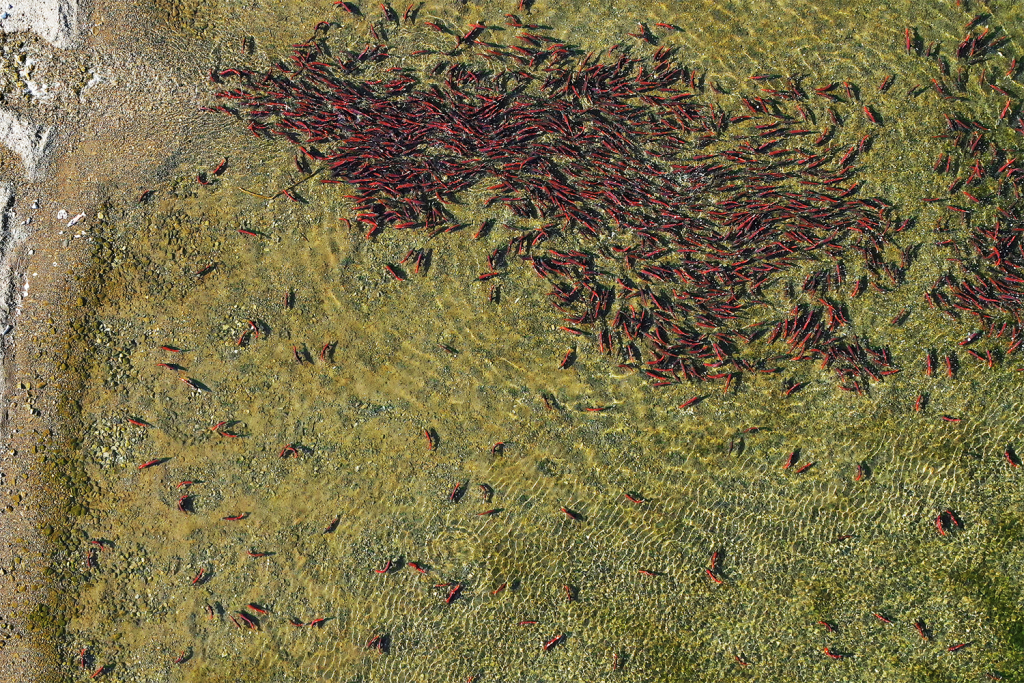
As Yukon Chinook salmon populations decline, researchers turn to technology for answers
Using drones, researchers seek to better understand where, along an almost 2,000-mile migratory route, things go wrong for Chinook salmon.
Fisheries
How can hatchery-born Chinook salmon help with wild salmon recovery?
A new study finds hatchery-born Chinook salmon could help re-establish wild salmon populations, potentially improving health over generations.