


Catch & Culture Review: How climate change may alter the trajectory of North Sea demersal fisheries

Bio-economic modeling can inform sustainable fisheries management and promote a balanced strategy for marine resource utilization and conservation
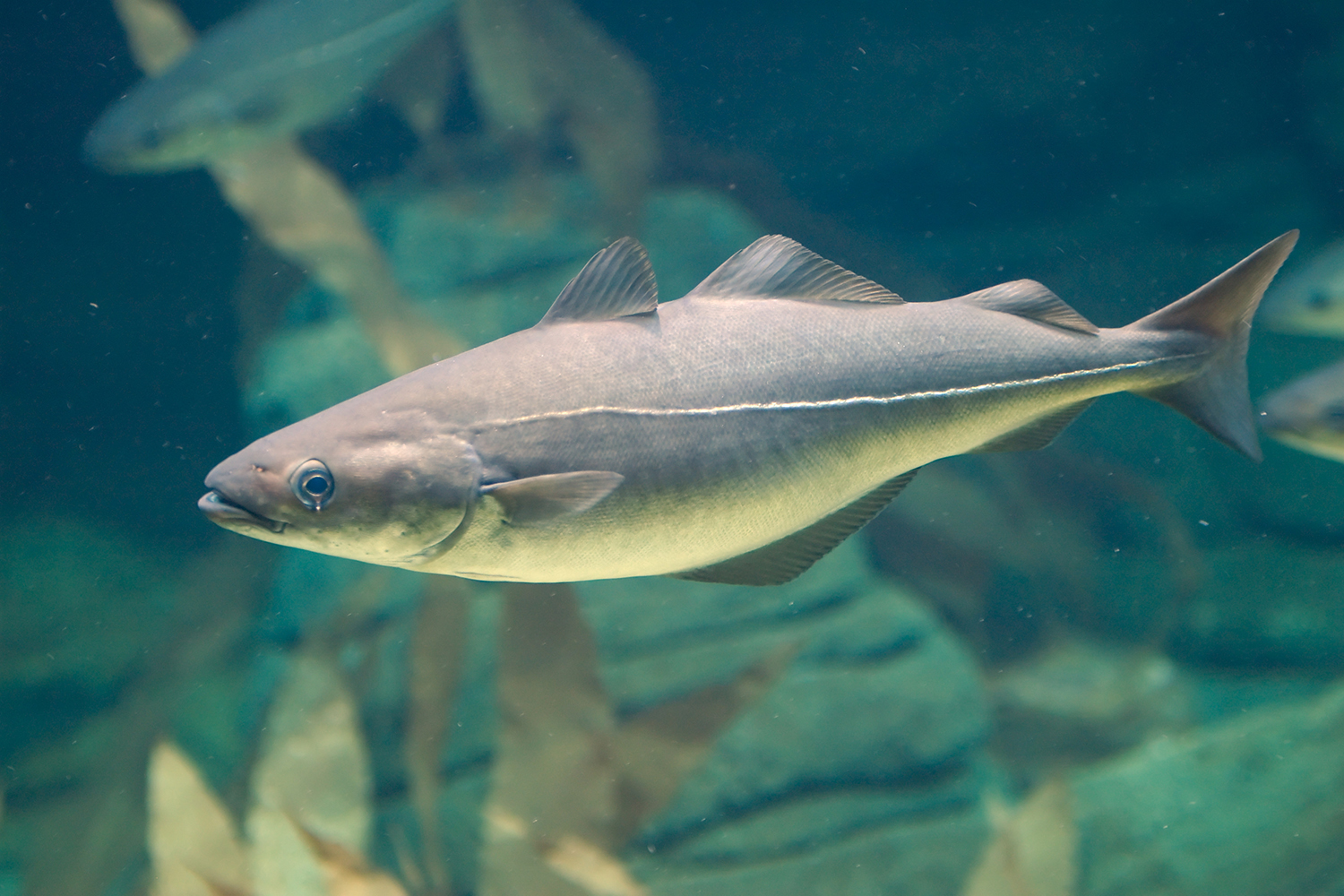
North Sea demersal fisheries face growing pressures from multiple sources. Climate change, along with its associated socioeconomic effects, and the expanding use of marine space for offshore energy, transportation and conservation efforts are significantly impacting these fisheries. These factors are changing the condition of key target stocks and restricting fleet access to traditional fishing areas.
To evaluate these influences, a study by Erik Sulanke and colleagues employed the spatially explicit bioeconomic simulation and optimization model FishRent to model the profitability outcomes for demersal fleets from Germany, Norway and the United Kingdom targeting Atlantic cod (Gadus morhua), saithe (Pollachius virens) and hake (Merluccius merluccius) under three distinct climate change scenarios.
The scenarios – informed by macroeconomic projections and expert input on climate and fisheries – incorporated forecasts for prices, management approaches and spatial developments in marine areas.
Simulation results showed steady profit growth in a scenario emphasizing economic expansion and open global markets. In a scenario prioritizing sustainable development and conservation, profits also rose, though more gradually and consistently. By contrast, a scenario marked by greater emphasis on national economies and reduced international trade resulted in declining profits, primarily due to excessive exploitation of the economically vital North Sea cod stock.
![Ad for [BSP]](https://www.globalseafood.org/wp-content/uploads/2025/07/BSP_B2B_2025_1050x125.jpg)
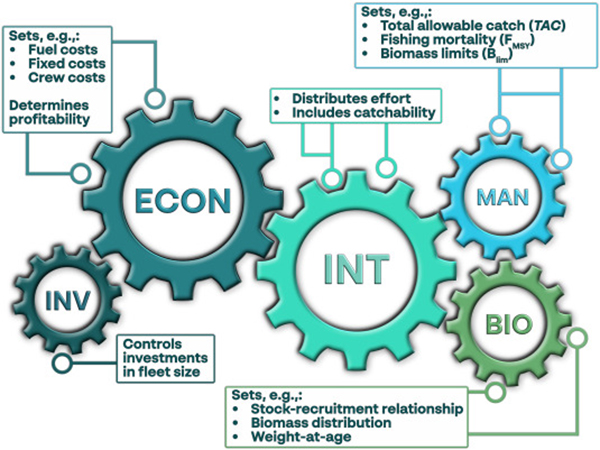
Across all scenarios, fluctuations in prices and the implementation of management strategies had a far greater influence on outcomes than marine spatial competition, whose effects remained minor. And fleet spatial behavior varied by country: Rising fuel prices combined with limited investment in fuel-efficient technologies caused the UK fleet to shift toward closer fishing grounds, leading to underutilization of available quotas.
These findings underscore the complex socioeconomic interactions in fisheries that many standard models fail to adequately address, while pointing to key research needs – such as a fuller understanding of the mechanisms behind area closures and stock–recruitment relationships. At the same time, the results reinforce a fundamental tenet of fisheries management: Prolonged unsustainable harvesting of a stock inevitably causes economic collapse and inflicts severe, enduring financial harm on the fleets involved.
Relevance of research findings to the industry
These findings carry direct implications for the North Sea demersal sector, a vital contributor to revenues, employment and coastal economies in Germany, Norway and the UK. The dominance of price developments and quota management over marine spatial competition indicates that industry advocacy should focus on securing science-based total allowable catches and adaptive harvest rules rather than solely contesting area closures.
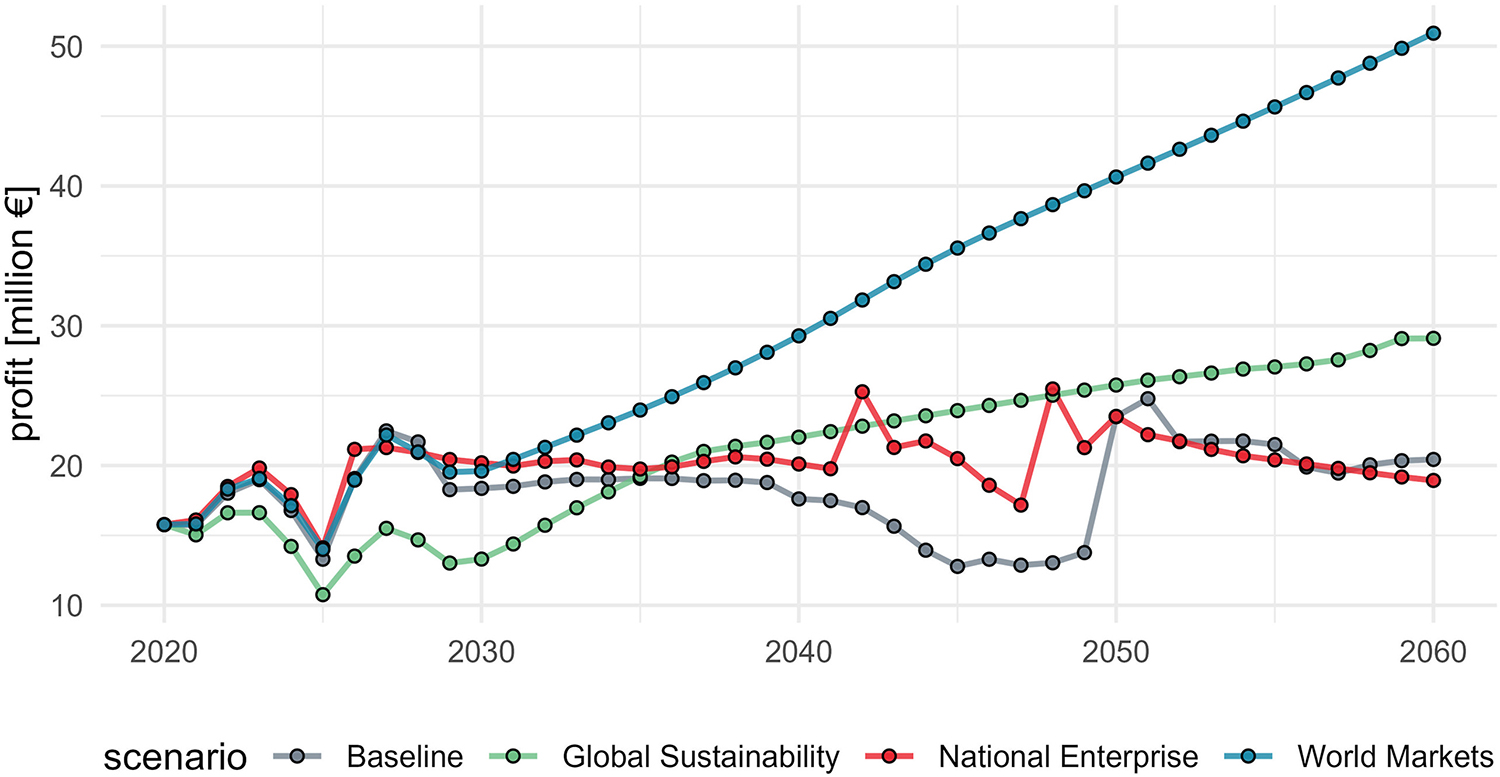
One of the scenarios considered (NE) is a stark warning: Unsustainable cod exploitation triggers long-term economic collapse – echoing historical patterns noted by other researchers – emphasizing the need for fleet modernization, fuel-efficiency upgrades and quota discipline. Norwegian and German operators stand to gain from growth in sustainable pathways, while UK fleets risk contraction without technological adaptation. Overall, this research provides processors, vessel owners and producer organizations with evidence to inform investment decisions and lobbying for climate-resilient policies amid rising fuel costs and shifting stock availability.
Perspectives
By integrating economic, ecological and regulatory dimensions of North Sea demersal fisheries, the study uncovered complex interactions that affect fleet profitability, spatial patterns of fishing effort and the long-term stability of fish stocks. The projections draw on model simulations that account for how societies and economies might respond to climate change – a factor rarely explored in detail within typical fisheries models.
A thorough analysis of the simulation outcomes provided important insights into the interconnected roles of economic, ecological and regulatory elements. The findings emphasize the dominant influence of climate-driven changes in prices and evolving management approaches on fleet profitability, while demonstrating that the effects of spatial competition (such as from offshore developments) remain comparatively minor.
The results support continued improvements to bio-economic models by better incorporating these spatial details. They also stress the value of adaptive management strategies that seek to reconcile economic viability with ecological sustainability. Such adaptive frameworks point toward a viable path forward, where profitable and sustainable fisheries can operate alongside a well-protected and spatially organized North Sea – provided there is sufficient public backing to support the shift to more sustainable practices.
Future bioeconomic modeling should integrate potential shifts in species distributions caused by climate change, as these could exert considerable influence on the simulated fleets. Incorporating these refinements will improve the precision and reliability of future projections, so that bioeconomic modeling can play a stronger role in informing sustainable fisheries management, promoting a balanced strategy for marine resource utilization and conservation amid ongoing climate change.
Biological traits and fishery dynamics of European squid and veined squid in the Western Mediterranean
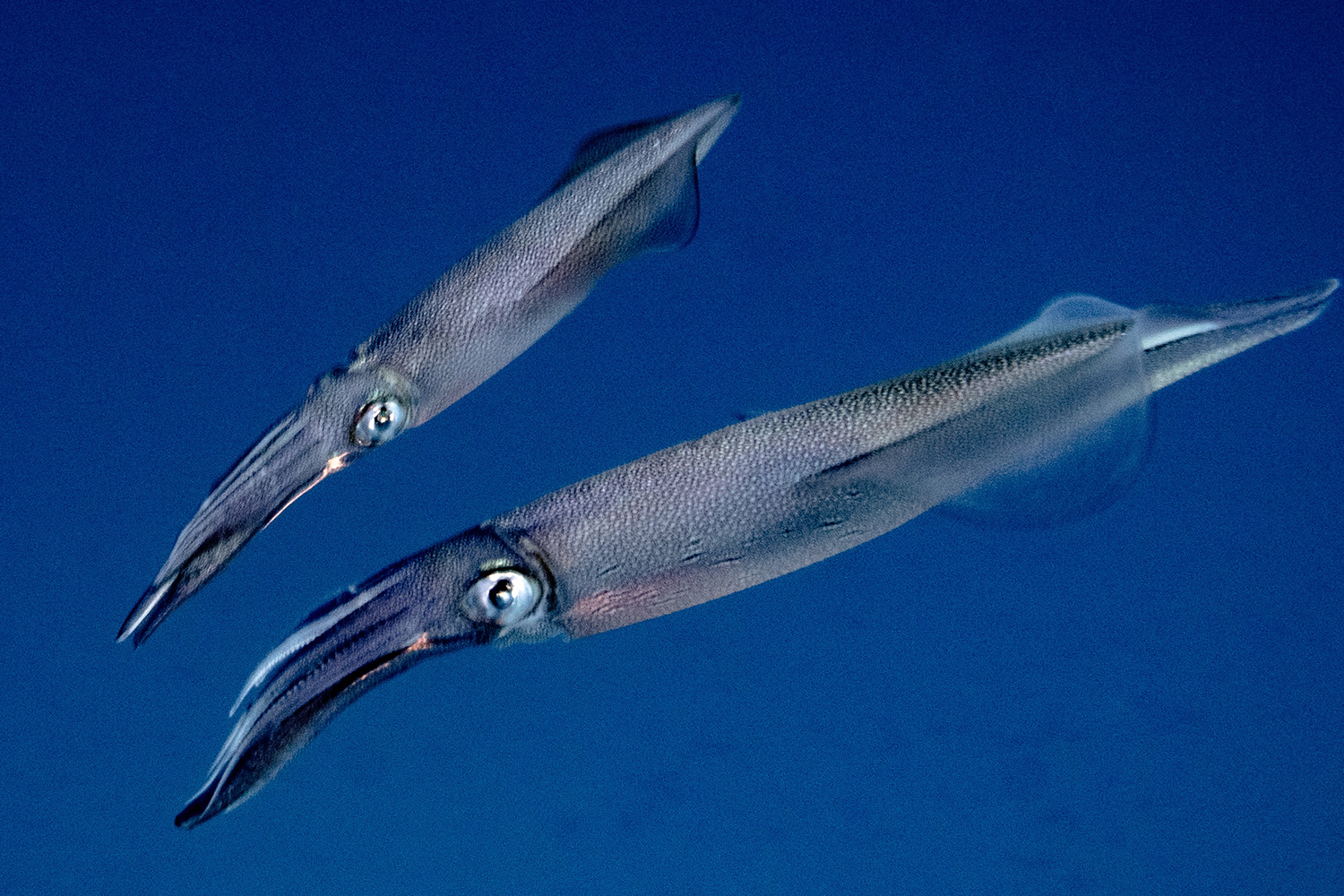
In the Mediterranean Sea, the European squid (Loligo vulgaris) and the veined squid (Loligo forbesii) represent key commercial species of substantial economic importance, particularly for bottom-trawl fleets. L. vulgaris is also a significant target for recreational anglers and small-scale artisanal fisheries.
The study conducted by Antoni Quetglas and co-workers in the Balearic Islands, Spain examined multiple life-history parameters – including population structure, reproductive patterns and body condition – as well as bathymetric distribution and fishery characteristics of these two squid species, drawing on 20 years of data collected in the Western Mediterranean.
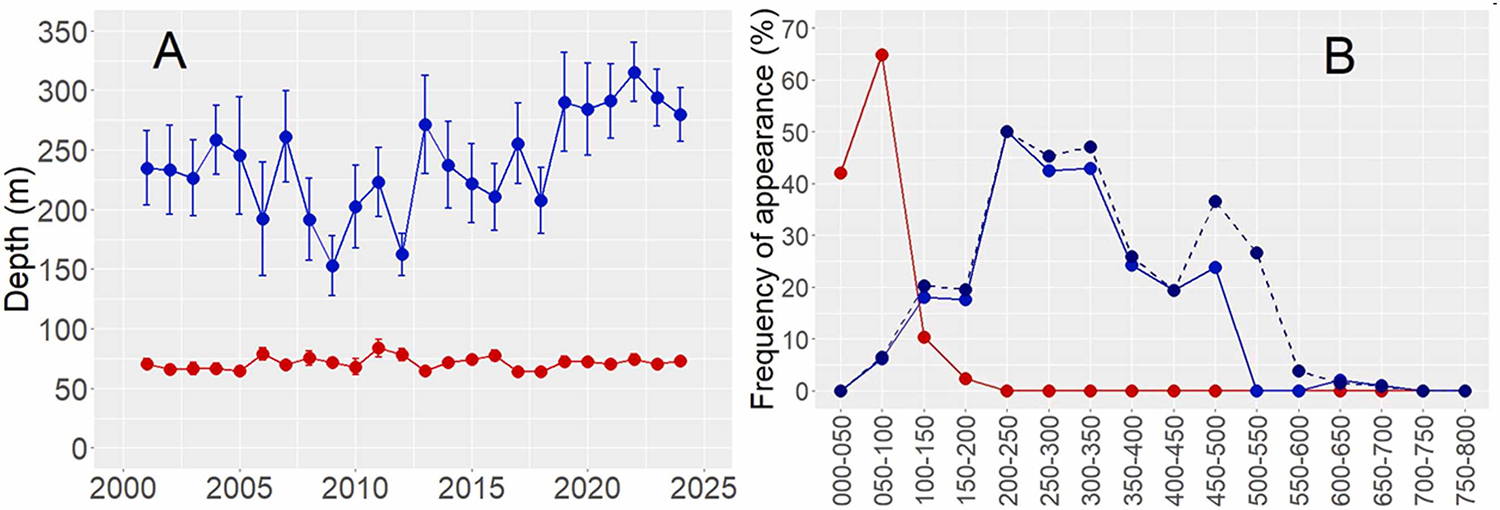
L. vulgaris showed peak occurrence at depths of 50–100 meters, while L. forbesii was most frequently recorded between 200 and 350 meters. Spatial overlap between the species was minimal, with co-occurrence observed in only 5 percent of sampling stations within their overlapping depth range (50–200 meters).
In both species, average mantle (dorsal body wall which covers the visceral mass) length and the proportion of mature individuals increased progressively with depth, consistent with an ontogenetic (maturity-related) downward migration. For L. forbesii, females greatly outnumbered males at 300–400 meters, suggesting these deeper waters serve as preferred spawning habitats. Reproductive activity in L. vulgaris occurs throughout the year, whereas in L. forbesii it is largely confined to a single six-month period.
In the study region, where both species are marketed together under a single commercial category (“Loligo spp.”), landings originate primarily from bottom trawls (66 percent), followed by small-scale fisheries (20 percent) and purse seines (14 percent). Catch-per-unit-effort (CPUE; an indirect measure of the abundance of a target species) trends over the past 55 years revealed a decline from 1975 to 1998, followed by a clear recovery from 1998 to 2023, largely attributable to substantial fluctuations in overall fishing effort. By applying fleet-segmentation methods to disaggregate landings by species, authors determined that L. vulgaris accounts for the great majority (84 percent) of total squid landings in the area.
Relevance of research findings to the industry
These findings have immediate practical value for Mediterranean squid fisheries, which represent high-value resources for bottom-trawl fleets, small-scale operators and recreational sectors – particularly L. vulgaris. The routine pooling of the two species in official statistics masks species-specific dynamics and complicates stock assessments; the demonstrated utility of fleet-segmentation tools offers a ready method for improved catch reporting and quota allocation.
Identified depth-specific spawning concentrations (>300 meters for L. forbesii) and seasonal reproductive peaks provide clear targets for spatio-temporal management measures, such as depth-restricted closures or seasonal effort reductions to safeguard spawning aggregations and enhance recruitment. The proposed minimum conservation reference sizes, MCRS (~120 mm mantle length for L. vulgaris and ~160 mm mantle length for L. forbesii) could be directly incorporated into technical measures. The documented CPUE and biomass recovery after effort reductions in the late 1990s underscores the effectiveness of effort control in multi-gear fisheries and offers encouragement for industry stakeholders facing similar pressures elsewhere in the Mediterranean.
Perspectives
While L. vulgaris has received considerable research attention in the Mediterranean, this study provides the first in-depth, comprehensive evaluation of the life history of L. forbesii in the region. By drawing on extensive long-term datasets – 25 years of scientific research surveys and 55 years of fishery landings statistics – this work significantly enhances knowledge of both squid species in the Western Mediterranean. It delivers strong evidence of clear species segregation, ontogenetic depth-related migrations, and the continuity of existing fishing patterns, while also offering new ecological understanding of bathymetric partitioning and spawning-site preferences.
Spatial overlap of both species within their shared depth range (50–200 meters) was remarkably limited, with co-occurrence recorded in only 5 percent of relevant sampling stations and sporadic, non-regular appearances in just 10 of the 25 years examined. In both species, increasing mantle length and advancing maturity with greater depth confirm an ontogenetic migration tied to reproductive processes. For L. forbesii, the strong dominance of mature females at 300–400 meters points to these depths as preferred spawning locations. Reproductive activity in L. vulgaris was continuous throughout the year, whereas in L. forbesii it exhibited clear seasonality.
Current European fishing regulations lack dedicated measures for squid species, with the common octopus (L. vulgaris) remaining the only cephalopod subject to a MCRS. As noted earlier, both squids are primarily taken as bycatch – L. vulgaris and L. forbesii in bottom-trawl fisheries and L. vulgaris additionally in small-scale operations. These are highly mixed, multispecies, multi-gear fisheries that target a wide array of commercial species, with small-scale fleets employing diverse gear types (e.g., trawl nets, trammel nets, gillnets, longlines). In such complex settings, where species with markedly different life-history traits are harvested together, a combination of varied management tools tailored to different gear types is likely the most effective strategy for achieving sustainable exploitation.
Currently, demersal fisheries in the western Mediterranean are managed predominantly through fishing effort controls, particularly for bottom trawlers, supplemented by technical measures including spatiotemporal closures and increases in trawl codend mesh size to safeguard juveniles and spawners. Implementing squid-specific measures would be more feasible in the recreational fishery, which is a monospecific activity focused exclusively on L. vulgaris using a single gear type (jigs).
Nevertheless, should squid-specific regulations be introduced across all gear types, many of the findings presented here would directly inform their design. In particular, data on size at first maturity, reproductive seasonality and primary spawning grounds could guide the setting of appropriate MCRS values or the definition of optimal spatiotemporal and depth-based management periods to protect spawning aggregations.
Novel body condition index provides powerful pre-season predictor of a U.S. West Coast ocean shrimp abundance and fishery performance
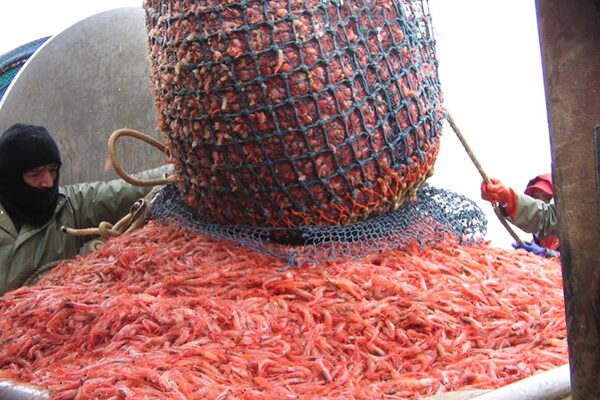
Evaluating the status of short-lived marine invertebrates presents significant challenges, yet accurate assessments are essential for effective fishery management. Obtaining reliable pre-season estimates of stock abundance offers clear benefits for planning and decision-making, but such information is particularly difficult to acquire for short-lived “recruitment-driven” fisheries. The U.S. West Coast shrimp (Pandalus jordani) fishery currently depends on back-calculation methods to estimate stock abundance.
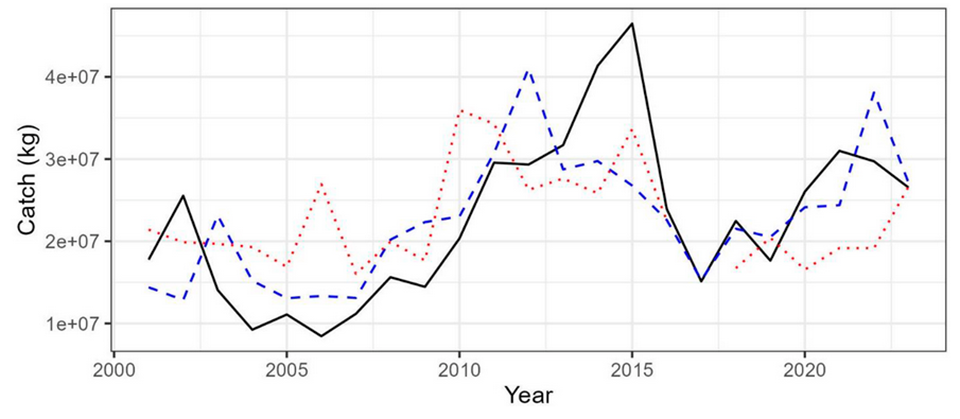
Drawing on 23 years of dockside biological sampling data (2001–2023), research by Scott D. Groth and colleagues at the Oregon Department of Fish and Wildlife (OR USA) demonstrated a strong inverse relationship between the body condition index (BCI) of ocean shrimp and fishery CPUE, with a correlation coefficient of r = −0.86.
To forecast seasonal abundance, the analysis compared several potential predictors, including fishery CPUE, environmental variables and predator abundance levels. Among these, BCI emerged as the single strongest correlate. Specifically, the BCI measured at the start of the fishing season (in April) proved to be the most reliable predictor of total annual catch.
The close link between ocean shrimp population abundance and body condition suggests that BCI can serve as a useful indicator of contemporaneous stock size. Potential applications of this metric include 1. Providing a straightforward, preseason estimate of population abundance to help set realistic expectations for seasonal catch levels, and 2. Incorporation into harvest control rules to guide management decisions. Both uses could enhance the long-term sustainability of the ocean shrimp fishery.
Relevance of research findings to the industry
The U.S. West Coast ocean shrimp fishery stands as the region’s second-most valuable trawl fishery, delivering an average annual catch of 22,587 metric tons and an ex-vessel value of roughly U.S. $26 million from 2001 to 2023.
The body condition index (BCI) is calculated straight from the dockside sampling programs that are already in place for tracking size and sex ratios, so it basically adds no extra cost or workload. This makes April’s BCI a handy, real-time preseason signal that managers, processors and boat operators can use to gauge what kind of catch to expect for the season and tweak their effort or informal quotas ahead of time.
The authors make a clear case for folding BCI into harvest control rules (HCRs), which would allow for quicker, more cautious adjustments than what’s possible with the current tools. That’s especially useful for a stock like this one, which fluctuates a lot due to environmental swings in recruitment and already has safeguards like bycatch reduction gear and seasonal closures in play.
For industry stakeholders, getting an early heads-up on whether a year-class looks strong or weak would cut down on economic surprises and help keep things sustainable as climate patterns continue to shift.
Perspectives
The authors showed that body condition anomalies can act as an effective stand-in for population density in short-lived invertebrates – especially where traditional fishery-independent surveys are tough to pull off logistically. This builds on how condition indices have been used before in fish and crustaceans, but what’s new here is applying it directly to real-time stock assessment and preseason forecasting specifically for pandalid shrimp.
Looking ahead, future work should check how well these results can be applied to other pandalid species or similar short-lived crustacean fisheries. And also to fold in dynamic environmental factors like upwelling or temperature impacts on growth and look at weaving it into formal stock assessment models. Another useful angle could be tracking how improvements in fleet technology influence the relationship between CPUE and BCI over time. With those kinds of expansions, the BCI approach could become a practical, low-cost tool for adaptive management in recruitment-driven fisheries around the world.
Overall, by offering a straightforward, biologically sound metric that doesn’t rely on shaky back-calculation assumptions, these findings can enhance the ability to manage fisheries sustainably and build resilience against climate changes in fast-shifting marine ecosystems.
Now that you've reached the end of the article ...
… please consider supporting GSA’s mission to advance responsible seafood practices through education, advocacy and third-party assurances. The Advocate aims to document the evolution of responsible seafood practices and share the expansive knowledge of our vast network of contributors.
By becoming a Global Seafood Alliance member, you’re ensuring that all of the pre-competitive work we do through member benefits, resources and events can continue. Individual membership costs just $50 a year.
Not a GSA member? Join us.
Author
-

Editor Emeritus
Related Posts
Fisheries
Climate vulnerability and uncertainty due to monitoring data gaps, using a case study of ocean acidification and deoxygenation in coastal California
Findings provide an actionable framework to prioritize targeted enhancements and sustained funding of oceanographic monitoring recommendations.
Intelligence
Byproduct utilization for increased profitability, part 4
Protein hydrolysates can be produced by acid, base or enzymatic hydrolysis processes. Acid hydrolysis produces salt that makes the product unsuitable for food and destroys some essential amino acids. An optimum process for one fish or shellfish by-product may not be optimum for another.
Fisheries
Distinct stocks of Atlantic cod face different climate change challenges
Distinct stocks of North Atlantic cod are being stressed by different factors of varying management severity due to the impacts of climate change.
Health & Welfare
Hermit crabs: Maturation diet for shrimp broodstock
Some shrimp hatchery operators use live hermit crabs to feed black tiger shrimp broodstock because of a high proportion of omega-3 and omega-6 fatty acids.