


Nofima study finds rainbow trout fillets store more omega-3s than salmon

Higher omega-3 feed levels did not improve trout health or survival, but the fish stored more EPA and DHA in their fillets than salmon
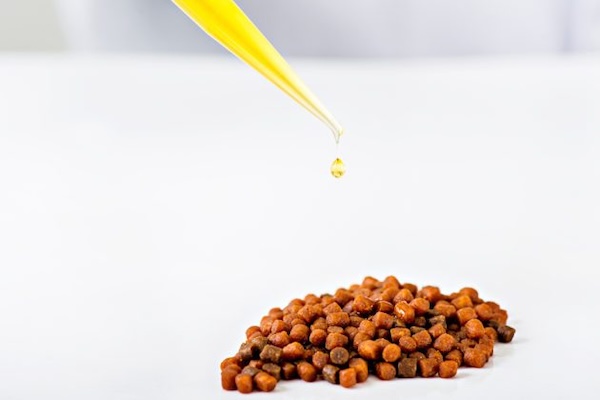
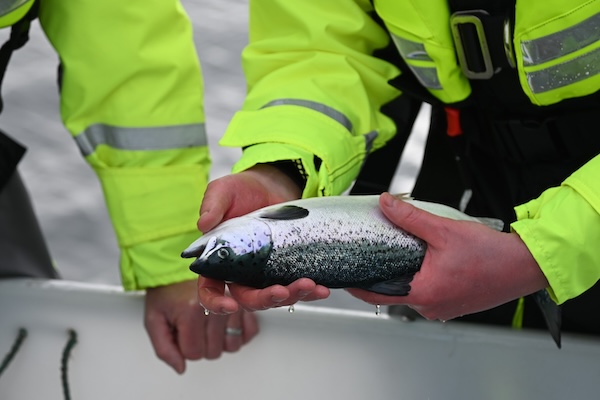
Rainbow trout fed higher levels of omega-3 fatty acids did not show better health, survival or production performance, a Nofima study has found. However, the researchers also found that rainbow trout store more omega-3 from their feed in the fillet than salmon do.
Rainbow trout share many characteristics with salmon and are often compared with this dominant farmed species in Norway. Even so, trout make up a much smaller share of Norway’s salmonid industry. In 2024, rainbow trout accounted for about 6 percent of sales, compared with 94 percent for salmon, according to the Norwegian Directorate of Fisheries.
“Much of the knowledge we have on salmonids comes from research on salmon,” said Marta Bou, a scientist at Nofima. “But the species are not the same, so it is important that we obtain specific knowledge about rainbow trout.”
The omega-3 fatty acids EPA and DHA are essential nutrients for salmonids, but they are derived largely from marine sources and remain a limited resource that must be used efficiently in aquaculture feeds.
![Ad for [Aquademia]](https://www.globalseafood.org/wp-content/uploads/2025/07/aquademia_web2025_1050x125.gif)
Salmon research has shown that higher levels of EPA and DHA can improve fish health, robustness and product quality. Far less is known, however, about how elevated omega-3 levels affect rainbow trout raised in commercial sea-cage farming.
“There are many similarities between salmon and trout, and over the years a great deal of knowledge has been transferred between the species,” said Terje Utne, who is responsible for field trials at Cargill. “The results from this research project show how important it is to invest in research on rainbow trout.”
To address this gap, scientists at Nofima participated in feed trials under Cargill’s research license, operated by Hofseth Aqua. As part of the work, researchers examined in detail how omega-3 fatty acids function at the cellular level.
In a full-scale sea-cage trial, researchers compared a standard omega-3 level in feed with a higher level. Fish were stocked in cages at three sites along Norway’s west coast and monitored at different times of the year. Scientists assessed growth, welfare, survival and fillet quality.
At the same time, a comparative indoor study of rainbow trout and Atlantic salmon was carried out at Nofima’s research station in Sunndalsøra. There, researchers investigated whether the two species differ in their ability to absorb and metabolize omega-3 fatty acids.
“We documented clear differences between salmon and rainbow trout,” said Bou. “Rainbow trout store more omega-3 in the fillet than salmon, given the same feed. At the same time, extra omega-3 did not result in better health, survival or other production benefits in rainbow trout under these conditions, as it does in salmon.”
The study also measured how much omega-3 ended up in the fillet. Trout fed a standard diet contained about 20 milligrams of EPA and DHA per gram of fillet, while trout given feed with elevated omega-3 levels reached around 26 milligrams per gram.
By comparison, salmon given the higher omega-3 diet contained just over 16 milligrams of EPA and DHA per gram of fillet. According to the European Food Safety Authority (EFSA), the recommended intake for an average adult is 250 milligrams of EPA and DHA per day.
“If I eat 125 grams of rainbow trout fillet, I cover my entire daily requirement when the fish has been given standard feed,” said Bou. “Even though I get more than my daily requirement with the high omega-3 feed, that does not necessarily mean that this level represents good overall resource use.”
Now that you've reached the end of the article ...
… please consider supporting GSA’s mission to advance responsible seafood practices through education, advocacy and third-party assurances. The Advocate aims to document the evolution of responsible seafood practices and share the expansive knowledge of our vast network of contributors.
By becoming a Global Seafood Alliance member, you’re ensuring that all of the pre-competitive work we do through member benefits, resources and events can continue. Individual membership costs just $50 a year.
Not a GSA member? Join us.
Author

Related Posts
Health & Welfare
Warmer water temperatures boost farmed salmon growth in seawater but raise health concerns: Nofima study
Nofima study finds farmed salmon raised in warmer freshwater grew faster and thrived in seawater, but higher temperatures may impact health.
Aquafeeds
Can farmed salmon retain flesh color under stress? Research points to a nutritional solution
Stress reduces the color intensity of farmed salmon fillets, but adding high levels of vitamin A and astaxanthin in feed may help maintain pigmentation under pressure.
Health & Welfare
Early immune response key to sea lice resistance in Pacific salmon, study finds
Study links Pacific salmon’s rapid immune response to sea lice resistance – insights that could benefit Atlantic salmon farming.
Health & Welfare
Salmon skin cell discovery could improve wound healing and fish health in aquaculture
Scientists discover stem-like skin cells in salmon that aid healing, offering new ways to boost fish health and survival in aquaculture.