


New seaweed farming economics: Insights tool may help pave the way to larger-scale and lower-cost production

Maine researchers break down the hidden cost drivers of seaweed farming to improve profitability
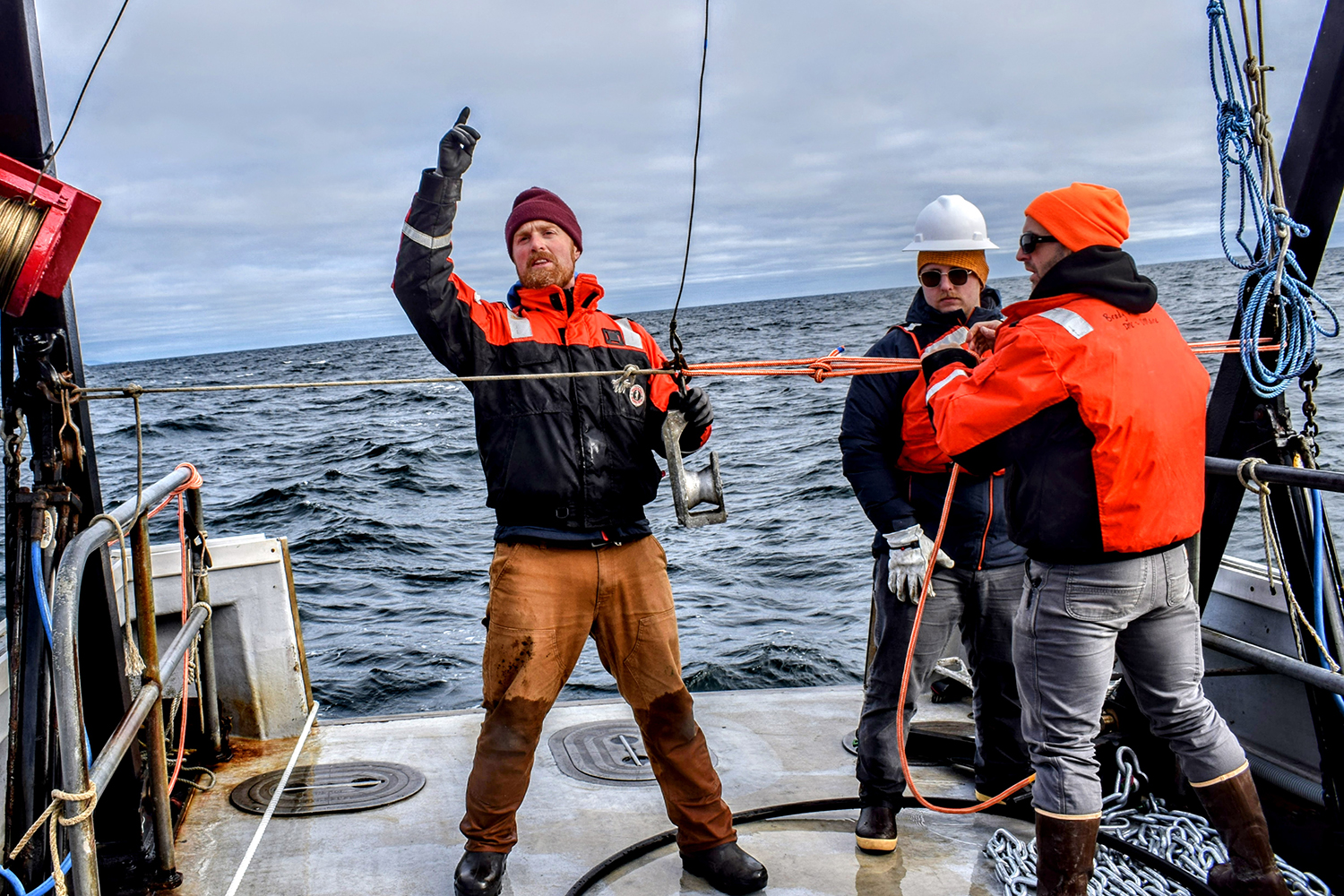
Seaweed farming for food, beauty products, fertilizers and other uses has rapidly gained momentum in the western hemisphere. However, as the industry has matured and realistic market values have emerged, economic challenges have slowed growth. Increasingly, new growers have been struggling to build stable, long-term business plans.
To address this, researchers at Kelson Marine in Portland, Maine, and the University of Maine developed a tool to give seaweed farmers detailed economic insights and identify ways to lower production costs. The project analyzes all aspects of U.S. farms, including offshore operations, to understand their contributions to total running and production costs.
“Seaweed farming is expensive at today’s scales,” Zach Moscicki, ocean engineer at Kelson Marine, told the Advocate. “We’ve been working with a group called Conscience Bay Research to help them understand the minimum cost of large-scale seaweed production – both environmentally and economically – compared to current U.S. practices. We set out to bring different aspects of the farming process together and understand how they connect, in order to get a comprehensive understanding of production cost.”
The tool combines operational, biological and engineering models to assess the economic implications of related decisions within the context of a given farming scenario. It accounts for variations in site location, weather conditions and their impacts on vessels and labor, vessel design, crop size and other factors, such as the number of necessary staff for specific operations.
![Ad for [BSP]](https://www.globalseafood.org/wp-content/uploads/2025/07/BSP_B2B_2025_1050x125.jpg)
“We connect all inputs and results from the models, making sure that they are working as one cohesive model,” said Moscicki. “A key part of the tool is the engineering analysis, where we simulate farm structures using fluid dynamic methodologies and structural elasticity to understand wave and current loads. We also take a close look at vessel design, including the implications of things like stability, and the amount of deck and cabin space required for farm staff. Vessels, in particular, are very important in terms of cost in an offshore setting, so our tool also determines the minimum vessel size required based on the constraints and requirements of farming operations.”
The team tested the tool by analyzing production costs on a theoretical 405-hectare sugar kelp farm located 20km offshore in the Gulf of Maine at a site with 100 meters depth. They evaluated multiple farm designs and operational models to understand the inherent impacts on farming at such a site.
The tool predicted that in the context of operations models typical for Maine, a kelp farm designed for low structural costs and high production volumes would result in a cost of around U.S. $2,618 per metric ton (MT) of fresh kelp. By testing design and operational choices, the team identified improvements – deeper cultivation lines, mechanized harvest and seeding, on-site processing into slurry, and optimized vessel selection and size – that together cut costs by 85 percent to $383 per ton.
“From a structural design perspective, we found some pretty surprising results,” said Moscicki. “We started with a system evaluated for component cost versus production capacity, in other words looking at the cost of components versus the total substrate you might have on a farm. This didn’t perform as well as we expected, but by optimizing farm design, we were able to reduce total production costs through design tweaks alone.”
“One of the big drivers to lowering costs tends to be seen as simply increasing yield,” said Adam St. Gelais, aquaculture innovation specialist at the University of Maine. “But our models show that considering operational costs and the cascading effects of changing any variable can completely upend that assumption.”
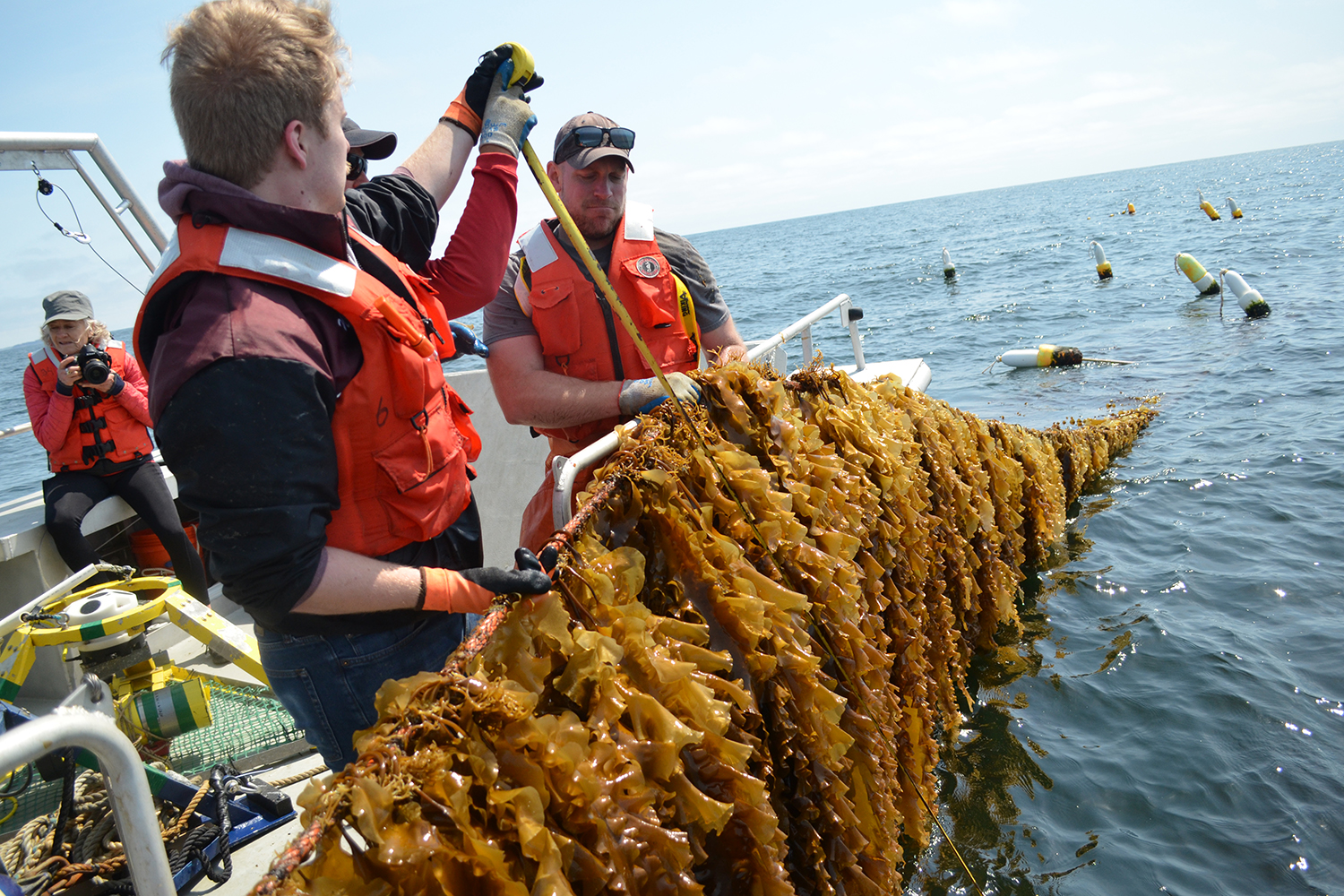
By capturing how ocean and weather conditions, crop traits, growth patterns for specific species, labor, operational technologies and other factors affect costs, the tool reveals trade-offs in design and operations, said St. Gelais, helping farms make their business plans more reliable and robust. It helps farmers understand how changing aspects of their system affects their bottom line, the interconnections in production, and how to scale efficiently from small to larger farms.
“Large-scale seaweed farming is expensive – production costs are high,” said Dr. Toby Dewhurst, CEO at Kelson Marine. “But there is huge potential for cost optimization – 60 percent or even nearly tenfold depending on the factors considered. Seeing our tool’s results has made me more optimistic than ever about sustainably growing food at sea.”
The Maine-born insights tool has its admirers overseas, as well.
“As a seaweed farmer, this work gave me real confidence in the industry’s direction,” said Dr. Adrian Macleod, innovation manager at Atlantic Mariculture Ltd in the UK. “The systematic engineering approach, grounded in realistic assumptions, shows that well-designed cultivation systems can be optimized and scaled cost effectively to match the costs of harvesting wild seaweed. This offers a realistic pathway for reliable farmed supply while reducing pressure on natural habitats.”
Could triploid kelp cultivars expand seaweed farming in the face of climate change?
Indeed, the tool could also transform the viability of seaweed farming in other ways, supporting environmental stewardship and responsible ocean use. It may allow large-scale farms to turn a profit for the first time, said Dewhurst, bridging the gap between well-intentioned but economically unviable operations and viable ones. Moscicki adds that it also helps farmers explore cost-saving levers and plan operations in their specific context more responsibly.
“Producing seaweed biomass at scale can be highly beneficial,” said Moscicki. “It may replace high-carbon materials with low-carbon, biological alternatives. The tool also quantifies emissions from every step of the farming process – from vessel fuel consumption to structural and vessel manufacturing – calculating annual emissions per ton of seaweed, the results of which can be used to guide operations toward lower impact choices.”
“There have been many takeaways from this work, but perhaps one of the most important is that investing money upfront, and careful planning and operations, can have huge cost savings in the long run,” said Dewhurst. “Ultimately, we want to use our tool to help real operators reduce their costs and improve the profitability of their operations.”
The team, led by Professor Damian Brady at the University of Maine and supported by Conscience Bay Research, is also conducting a comprehensive assessment of the carbon footprint of large-scale seaweed farming. With potential applications in finfish and shellfish aquaculture, they are expanding the tool to provide accurate insights across scales, farm designs and species, while validating findings against real systems.
Now that you've reached the end of the article ...
… please consider supporting GSA’s mission to advance responsible seafood practices through education, advocacy and third-party assurances. The Advocate aims to document the evolution of responsible seafood practices and share the expansive knowledge of our vast network of contributors.
By becoming a Global Seafood Alliance member, you’re ensuring that all of the pre-competitive work we do through member benefits, resources and events can continue. Individual membership costs just $50 a year.
Not a GSA member? Join us.
Author
-

Correspondent Bonnie Waycott became interested in marine life after learning to snorkel on the Sea of Japan coast near her mother’s hometown. She specializes in aquaculture and fisheries with a particular focus on Japan, and has a keen interest in Tohoku’s aquaculture recovery following the 2011 Great East Japan Earthquake and Tsunami.
Related Posts
Intelligence
Abalone, against all odds: How one French shellfish producer learned to survive
France Haliotis illustrates how determination can make the difference between survival and success in abalone aquaculture.
Responsibility
Advancing the ecosystem services of aquaculture
The Nature Conservancy was inactive in aquaculture until new program leader Robert Jones joined. His focus is on the positive outcomes of responsible aquaculture.
Responsibility
An iron in the fire: How iron sulfide could turn fish farms into climate solutions
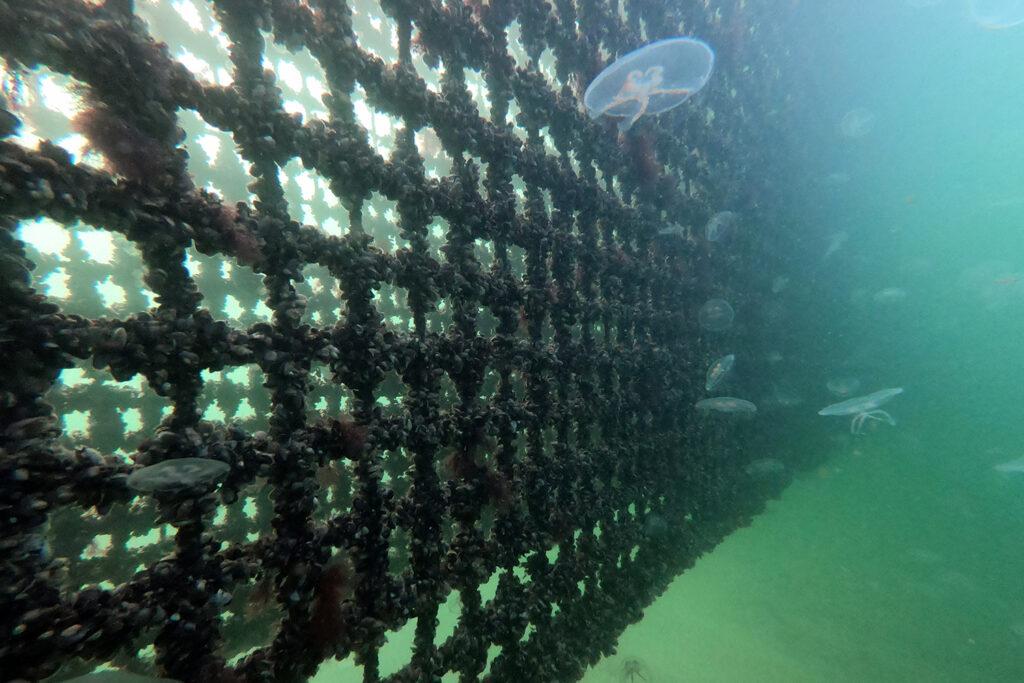
Researchers say mussels and iron sulfide enhancement on fish farms and could sequester hundreds of millions of tons of carbon dioxide.
Innovation & Investment
‘Everyone is going to need a lot of seaweed’: Maine-based seaweed polymer innovator wants fisheries and aquaculture to quit plastics
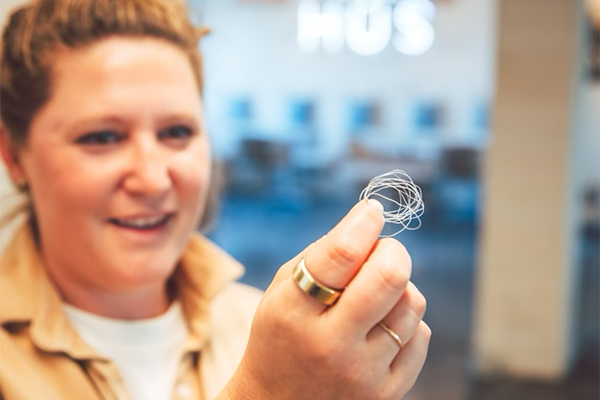
Viable Gear Founder Katie Weiler joined the Advocate and Aquademia to discuss making lobster bait bags and other products with a seaweed polymer.