


Canada’s five-year plan aims to reduce whale entanglements in commercial fisheries

Canada aims to cut whale entanglements by expanding whale-safe fishing gear
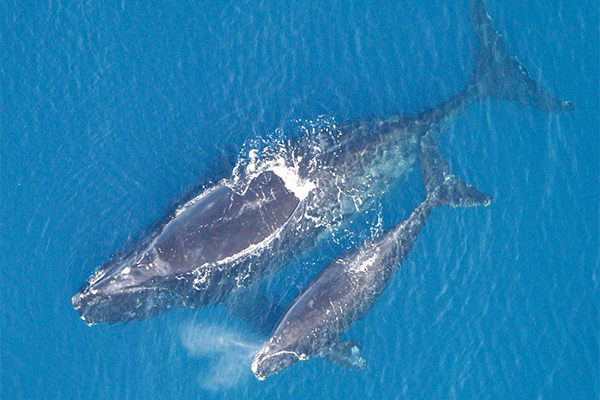
Canada’s federal government has launched a five-year strategy to reduce whale entanglements in fishing gear while allowing commercial fisheries to continue operating sustainably.
The plan, announced by the Minister of Fisheries, the Honourable Joanne Thompson, sets out how Fisheries and Oceans Canada (DFO) will work with harvesters and industry groups to expand the use of safer and more innovative fishing gear. The strategy is intended to help protect endangered species such as the North Atlantic right whale, which remains highly vulnerable to entanglement, while maintaining viable coastal fisheries.
“Harvesters have been leading the way on safer gear and innovative fishing practices for years,” said Thompson. “This Whalesafe Fishing Gear Strategy builds on that work, bringing more tools into the fisheries where they can help reduce entanglements, protect whales and keep crews safe on the water. We’ll keep working closely with industry, Indigenous partners and experts to expand what’s proven, practical and ready to use.”
Whale-safe fishing gear is a central component of Canada’s broader approach to whale protection. The strategy was developed through consultations with harvesters, gear manufacturers, Indigenous groups, environmental organizations and whale experts, and is intended to reflect regional differences in fishing practices and conditions.
![Ad for [BSP]](https://www.globalseafood.org/wp-content/uploads/2025/07/BSP_B2B_2025_1050x125.jpg)
The plan will initially focus on fisheries along Canada’s east coast to expand whale-safe measures nationwide by 2030. Pilot projects are already underway. In some eastern fisheries, harvesters are permitted to continue operating in areas temporarily closed due to right whale detections if their gear meets approved whale-safe standards.
The strategy draws on the results of gear trials and stakeholder feedback and is supported by federal funding. Between 2021 and 2023, DFO provided $20 million through the Whalesafe Gear Adoption Fund, supporting 34 projects. Additional support has come from programs including the Atlantic Fisheries Fund and the Canada Nature Fund for Aquatic Species at Risk.
In a statement, Oceana Canada described the strategy as a “significant milestone” that establishes a national framework for adopting fishing gear designed to reduce deadly whale entanglements.
“It’s encouraging to see the work the government, harvesters, rights holders, stakeholders, and others have put into this strategy,” said Hanna Vatcher, North Atlantic right whale campaigner at Oceana Canada. “It’s a concrete step forward, with clear process timelines, direction and a real focus on solutions. The strategy sets the pathway for steady, transparent progress. Delivering on it through implementation, sustained funding, and ongoing support will be critical to saving North Atlantic right whales from extinction.”
Under the strategy, DFO plans to complete an entanglement risk assessment for North Atlantic right whales in fixed-gear fisheries in the Gulf of St. Lawrence by 2027. Pilot areas for the use of on-demand, or ropeless, fishing gear are expected to be established by that year, moving beyond small-scale trials where the technology has proven operationally effective.
By 2028, the department aims to expand the use of on-demand gear in fisheries that pose the highest entanglement risk, subject to the results of pilot programs and fishery-specific considerations. The strategy also emphasizes the importance of Indigenous knowledge, with rights-based fishery holders included in consultations and decision-making related to whale-safe gear.
“The strategy recognizes that protecting whales and supporting fishing communities must go hand in hand,” said Vatcher. “By collaborating with harvesters and advancing practical whale-safe gear, Canada is taking a meaningful step toward fisheries that can thrive without putting endangered whales at risk.”
Now that you've reached the end of the article ...
… please consider supporting GSA’s mission to advance responsible seafood practices through education, advocacy and third-party assurances. The Advocate aims to document the evolution of responsible seafood practices and share the expansive knowledge of our vast network of contributors.
By becoming a Global Seafood Alliance member, you’re ensuring that all of the pre-competitive work we do through member benefits, resources and events can continue. Individual membership costs just $50 a year.
Not a GSA member? Join us.
Author

Related Posts
Fisheries
$18 million invested in fishing gear innovation to support North Atlantic right whale conservation
NFWF-NOAA funding will help develop and integrate new fishing gear in New England fisheries to help North Atlantic right whale conservation.
Fisheries
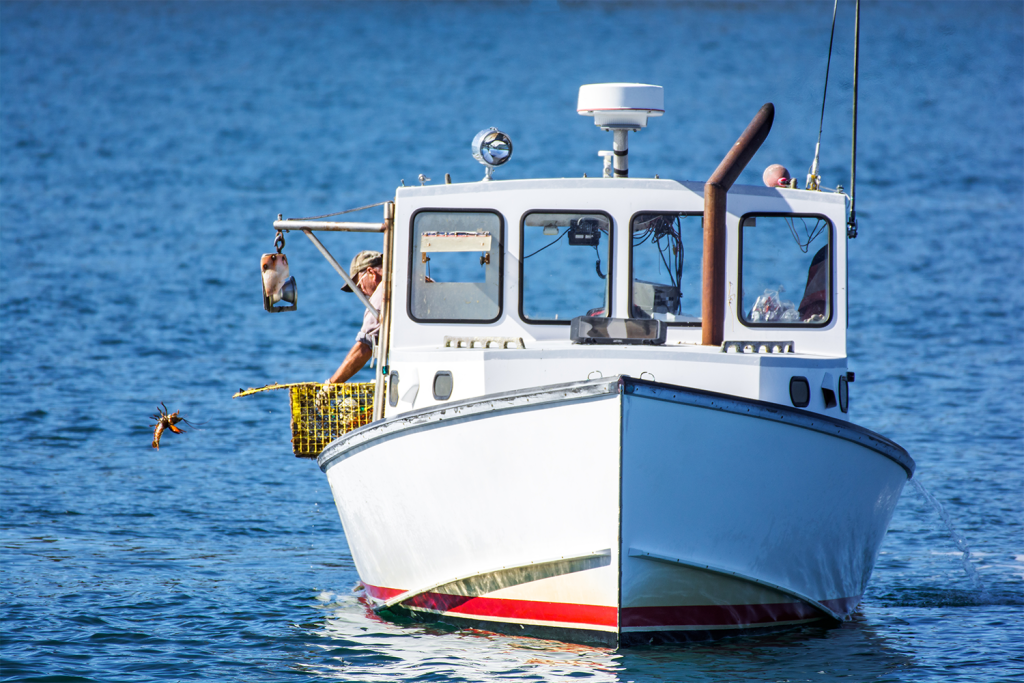
Balancing protection and production: Diving into the North Atlantic right whale conflict with lobster and crab fishing
A closer look at the conflict between North American fixed-gear fisheries and North Atlantic right whale protection measures.
Responsibility
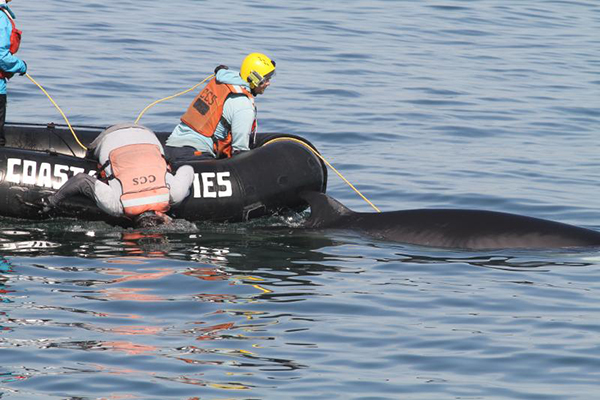
NOAA reports ‘dip’ in confirmed whale entanglements in 2022, zero involving right whales
A new report from NOAA confirms 67 large whale entanglements nationally in 2022 – none involving the North Atlantic right whale.
Fisheries
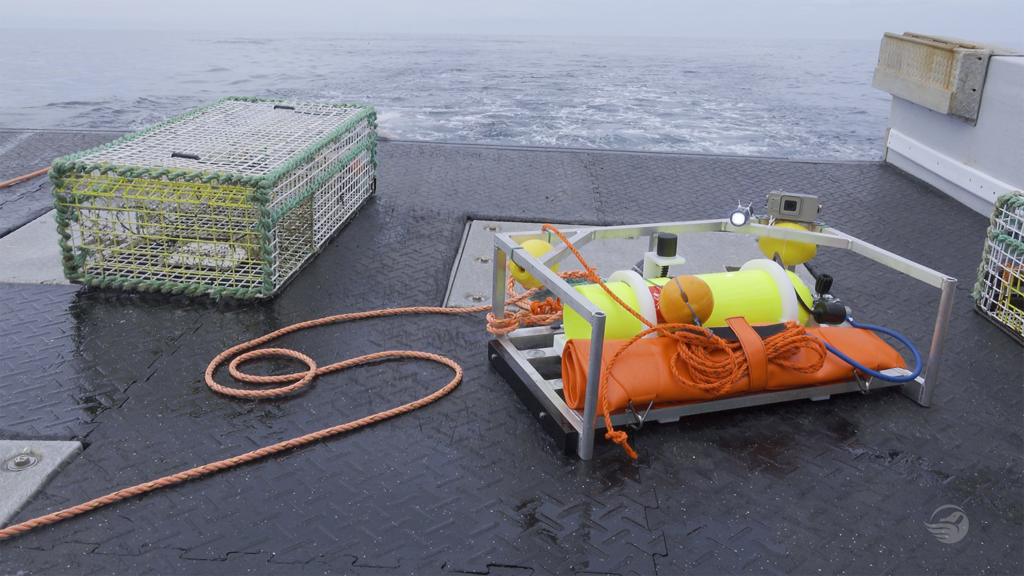
Gear-lending program has harvesters working through closures and trying ropeless fishing gear without commitment
Faced with closures to protect right whales, Canadian commercial fishers are trying ropeless fishing gear via the CanFish Gear Lending Program.