


‘A revolution in the making’: How a solar-powered ice maker is transforming an Indonesian tuna fishery

A solar-powered ice maker is boosting incomes, cutting waste and kickstarting a ‘revolution in the making’
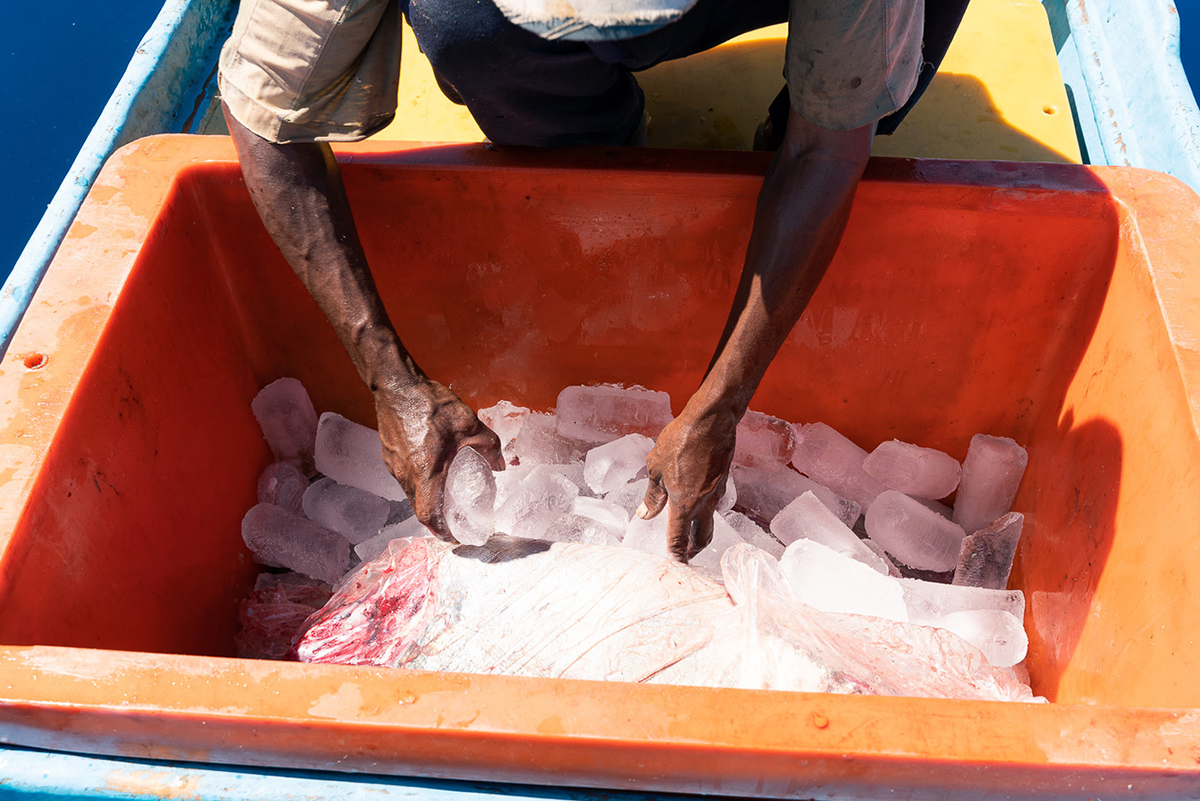
For the community of Kawa in Indonesia’s Maluku province, access to reliable ice isn’t just a convenience – it’s survival. Ice keeps fish fresh on long trips at sea, preserves product quality for export markets and helps fishers earn fair prices for their catches. Until recently, though, they depended on home freezers or traveled long distances to source ice – both costly and unreliable options, often threatened by electricity outages.
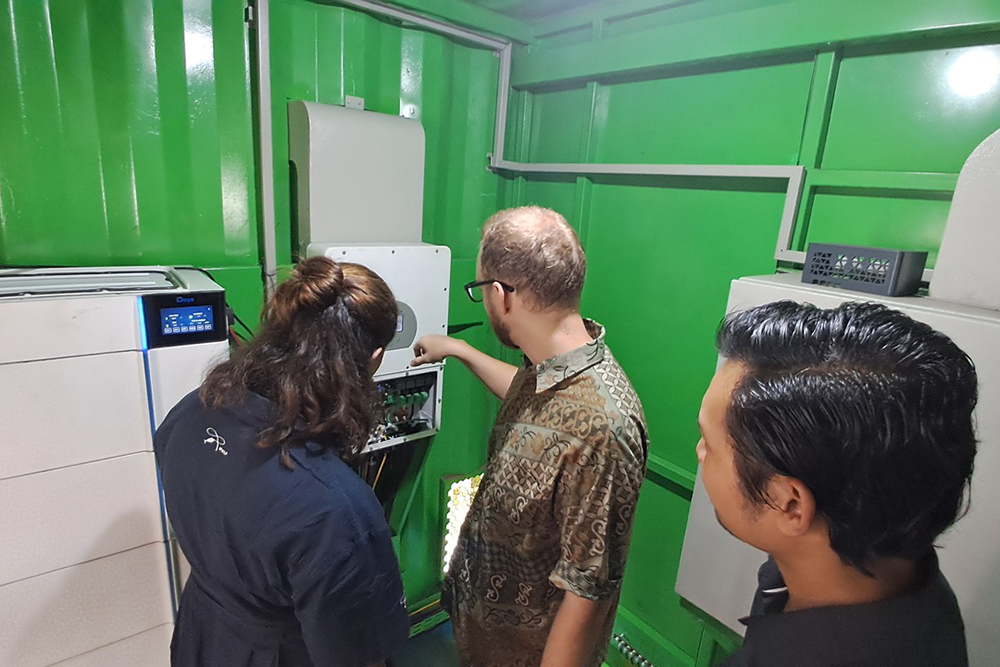
A new partnership – including the International Pole & Line Foundation (IPNLF), GIZ Indonesia, PT Aneka Sumber Tata Bahari (ASTB), Dinas Kelautan dan Perikanan Provinsi Maluku (DKP Maluku) and AIREF – finally changed that. In late 2024, the team provided the village with a solar-powered ice maker – a first-of-its-kind system designed specifically for small-scale fisheries. The unit now produces around 16 metric tons (MT) of ice per month, supplying not just Kawa’s tuna fishers but also neighboring communities. The result? A community-owned, eco-friendly solution delivering economic stability, environmental benefits and social gains in equal measure.
Operating renewable technologies in remote coastal areas comes with specific challenges – spanning everything from logistics to maintenance. To sidestep some of these hurdles, the ice maker arrived as a containerized unit, minimizing initial assembly work. Since then, investments in training have equipped locals to operate, manage and maintain the system.
The partners hail the Kawa project as a standout example of international and local collaboration in action – and the numbers back it up. In its first year alone, the ice maker produced more than 176 MT of ice. By eliminating diesel-powered ice production, the system also saved 4,290 liters of fuel can prevent around 40 MT of carbon dioxide emissions annually. And because the fishers no longer need disposable packaging to transport ice, the system has eliminated more than 223,000 plastic bags – equivalent to more than 2MT of plastic waste.
![Ad for [membership]](https://www.globalseafood.org/wp-content/uploads/2025/07/membership_web2025_1050x125.gif)
For remote communities with unreliable access to electricity, the lack of dependable refrigeration is a major obstacle, said IPNLF Fisheries Director Craig Turley.
“It leads to losses throughout the chain,” he said. “Fishers have reported that they can take longer fishing trips after the arrival of the ice maker, because they have access to a greater supply of ice that lasts longer.”
The economic outcomes are just as encouraging. With steady, affordable ice on hand, the local fishery value chain is gaining an estimated (U.S.) $120,000 per year, primarily driven by better product quality and reduced spoilage. IPNLF’s analysis shows that fishers who consistently use ice could see a 32 percent increase in annual profits.
Turley noted that the additional value flowing through the fishery value chain reflects fairer prices and reduced losses.
“Fishers are earning more for higher-quality fish, while processors benefit from a more stable and efficient supply,” he said, adding that involving private sector partners means that everyone has a stake in keeping the system running profitably and transparently.
Empowering people
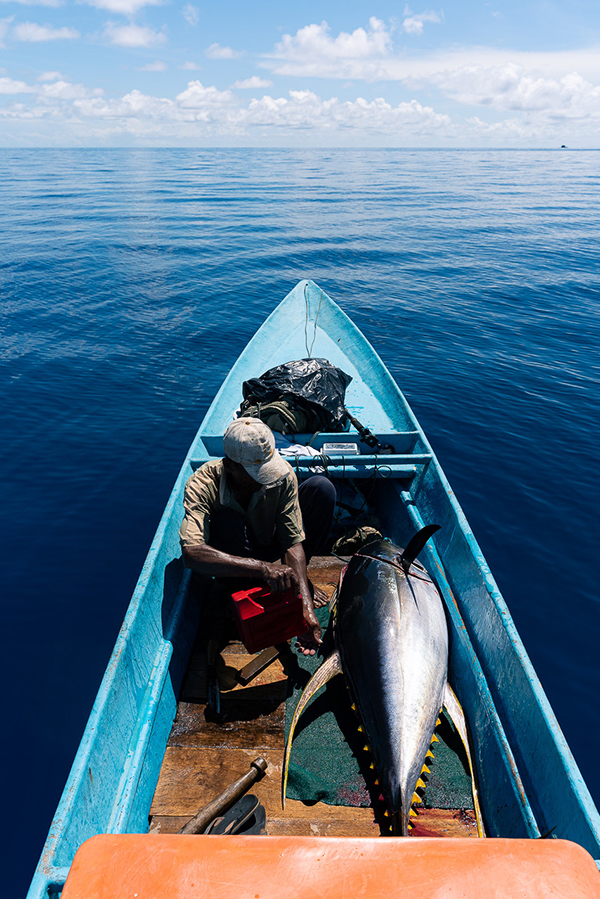
Underlining the on-the-ground benefits, Kawa tuna fisher Yadi Bustan told the Advocate that before the solar-powered system arrived, fishers had to rely on homemade ice, which melted quickly. Consequently, he and his fellow fishers were often forced to return to shore, whether they caught any fish or not.
“Then we still needed to pay for the electricity and plastic bags,” Bustan said, pointing out that domestic electricity supplies are unreliable. “When the electricity goes out, we would have trouble getting ice because it all melts in our refrigerators at home. And without ice, we can’t go fishing.”
Since the new machine’s installation, however, high-quality ice is readily available, and Bustan’s costs have been reduced to one-third of what they were previously.
“It has been our hope and dream to have an ice factory,” he said. “[That dream] has now been answered. This ice factory is not just for the people of Kawa or Kawa’s fishermen who need it. It is also helpful for any community that needs it.”
Turley added that beyond enabling longer trips at sea, fishers say the ice maker gives them peace of mind.
“Before it was installed, ice supply was a big preoccupation,” he said. “Fishers no longer have to travel long distances or pay inflated prices for ice when power outages impact supply. They can preserve their catch right at the landing site, fetch better prices, and spend more time with their families.”
At the same time, Turley noted that women – who often play key roles in post-harvest processing and marketing – are benefiting from more stable supply chains, improved product quality and reduced spoilage.
“What we see here is a revolution in the making,” remarked Frank Stegmüller, Lead for Industry Decarbonization & Energy Island Solutions at GIZ. “Locally available solar energy now freezes water into ice – preserving fish quality and preventing post-harvest losses. At the same time, it replaces fossil fuels entirely, proving that sustainability and profitability can go hand in hand.”
Through the project, around 80 fishers have also been trained in proper fish handling to maximize the value of their catch, while another 50 have completed safety-at-sea courses. The initiative also included the installation of nine vessel trackers to strengthen traceability and data collection – critical for maintaining the credibility of Indonesia’s one-by-one tuna fisheries in global markets.
Here comes the sun: Oyster and algae growers harness solar power
From prototype to blueprint
Selected by UNDP’s Ocean Innovation Challenge from more than 300 applicants, IPNLF Indonesia’s Kawa solar ice-making solution is now viewed as a prototype with global potential – offering a scalable solution for thousands of coastal communities facing similar challenges.
“It has shown that clean energy innovation can deliver real economic and environmental benefits for small-scale fishers,” said Turley. “Our goal now is to replicate this success across other one-by-one tuna fishing communities where we can have the biggest impact.”
The team is now working closely with government partners and local organizations to identify the next suitable sites – areas where access to affordable ice is a barrier to quality and market access.
“Each community has unique needs,” said Turley. “That’s why we’re combining technical assessment with community engagement, ensuring every new installation is owned and operated locally. In the long-term, we see this model as part of a broader effort to help coastal communities transition towards renewable energy.”
For IPNLF, the project epitomizes its mission: supporting small-scale fishers to bring responsibly caught tuna to market while sustaining coastal communities.
“We see innovation as central to making small-scale fisheries more resilient in a changing climate,” Turley said. “Building resilience to climate change is vital for these communities. The Kawa project proved that renewable technologies can reduce emissions while strengthening livelihoods. It’s both mitigation and adaptation in action.”
The organization also sees room to expand access to solar-powered cold chains, integrate more energy-efficient vessel operations and improve data-driven fisheries management.
“As well as working to make small-scale fisheries more efficient, we’re exploring ways to measure and reduce emissions across the value chain, contributing to broader decarbonization goals while ensuring that coastal communities remain resilient and a vital part of our food system for decades to come,” Turley said.
Now that you've reached the end of the article ...
… please consider supporting GSA’s mission to advance responsible seafood practices through education, advocacy and third-party assurances. The Advocate aims to document the evolution of responsible seafood practices and share the expansive knowledge of our vast network of contributors.
By becoming a Global Seafood Alliance member, you’re ensuring that all of the pre-competitive work we do through member benefits, resources and events can continue. Individual membership costs just $50 a year.
Not a GSA member? Join us.
Author
-

Jason Holland is a London-based writer for the international seafood, aquaculture and fisheries sectors. Jason has accrued more than 25 years’ experience as a B2B journalist, editor and communications consultant – a career that has taken him all over the world. He believes he found his true professional calling in 2004 when he started documenting the many facets of the international seafood industry, and particularly those enterprises and individuals bringing change to it.
Related Posts
Aquafeeds
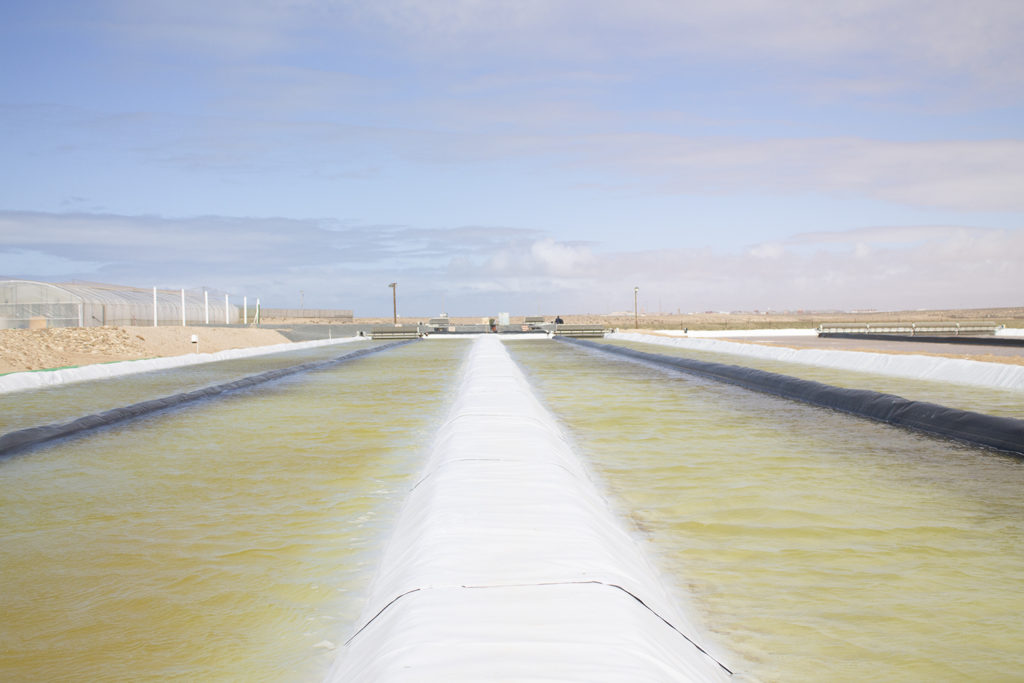
Sunlight, seawater and wind: A simple recipe for ambitious algae grower Susewi
Utilizing proven large-scale pond engineering, Susewi aims to become the world’s largest producer of algal biomass, with its sights set on aquafeeds.
Intelligence
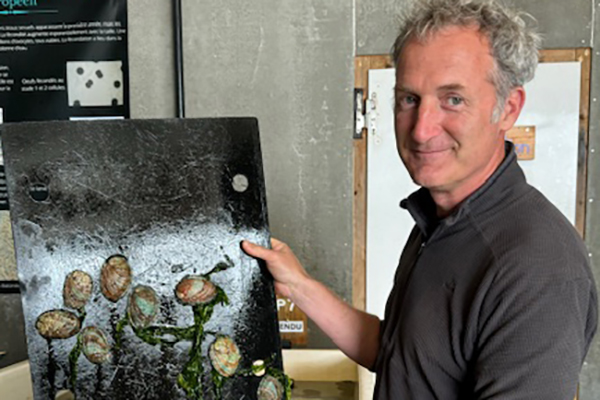
Abalone, against all odds: How one French shellfish producer learned to survive
France Haliotis illustrates how determination can make the difference between survival and success in abalone aquaculture.
Innovation & Investment
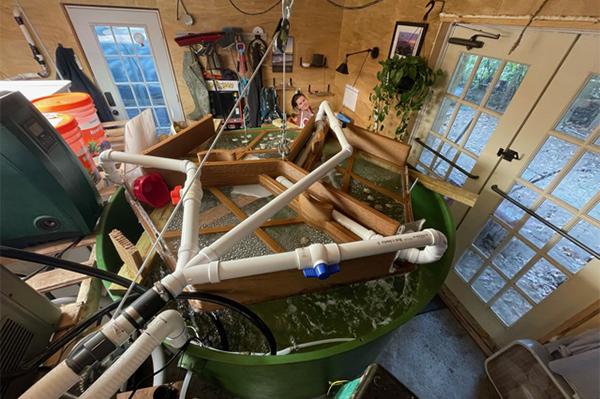
Growing oysters in a garage? Meet the maker of the world’s first 3D-printed oyster tank
New Maine oyster farm Muddy River Farm Aquaponics will be using a revolutionary new tank for its oysters, one made of 3D-printed wood.
Innovation & Investment
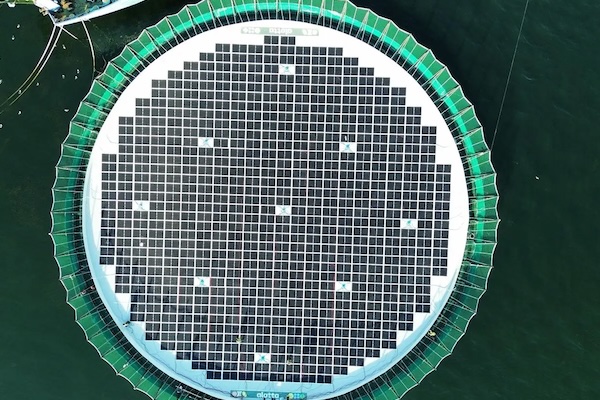
Chile’s first solar-powered net pen aims to cut aquaculture emissions and reduce diesel use
Mowi launches Chile’s first solar-powered pen, cutting diesel use and emissions while advancing sustainable aquaculture practices.