Fisheries
‘A revolution in the making’: How a solar-powered ice maker is transforming an Indonesian tuna fishery
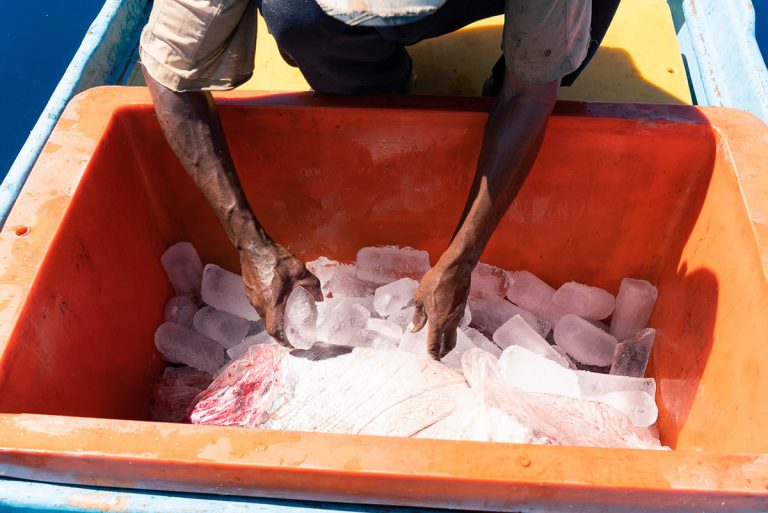
A solar-powered ice maker has transformed an Indonesian community's tuna fishery, boosting incomes and slashing waste and emissions.
Fisheries
Una máquina de hacer hielo que funciona con energía solar ha transformado la pesca de atún en una comunidad de Indonesia, aumentando los ingresos y reduciendo drásticamente los residuos y las emisiones.
Fisheries
A solar-powered ice maker has transformed an Indonesian community's tuna fishery, boosting incomes and slashing waste and emissions.
Responsibility
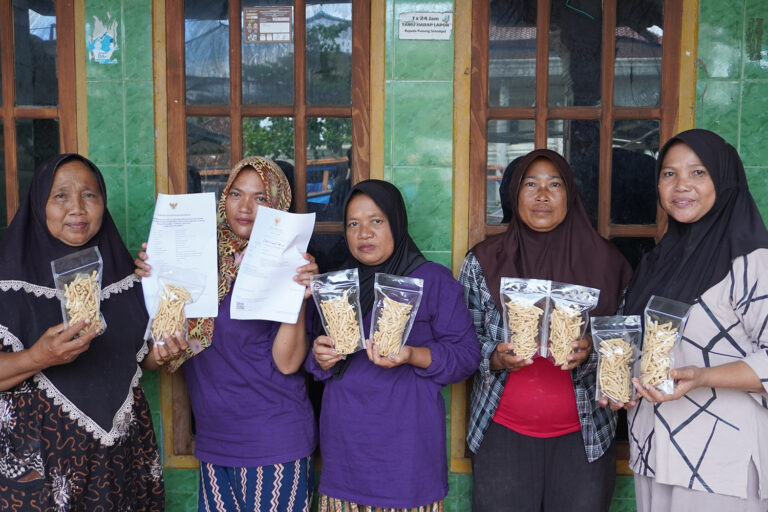
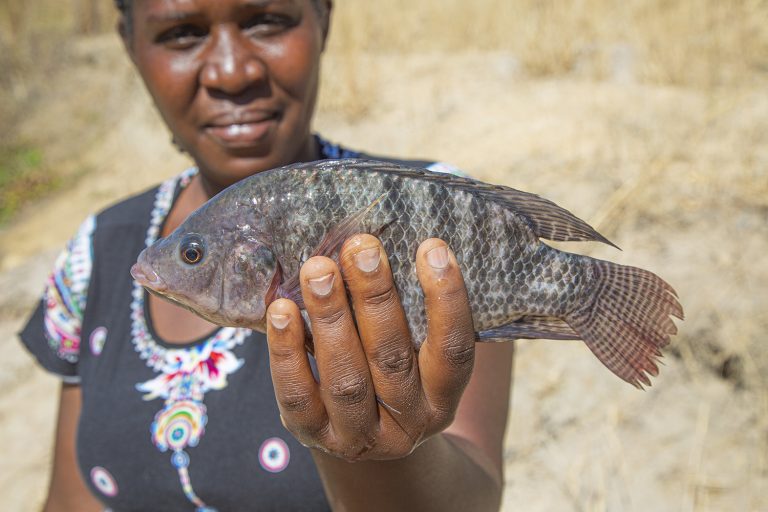
Efforts in Indonesia and Zambia are closing the gender gap in aquaculture and fisheries, highlighting women’s contributions and leadership.
Health & Welfare
The University of Stirling has received $2.6M to improve fish welfare in Southeast Asia and promote responsible aquaculture practices.
Health & Welfare
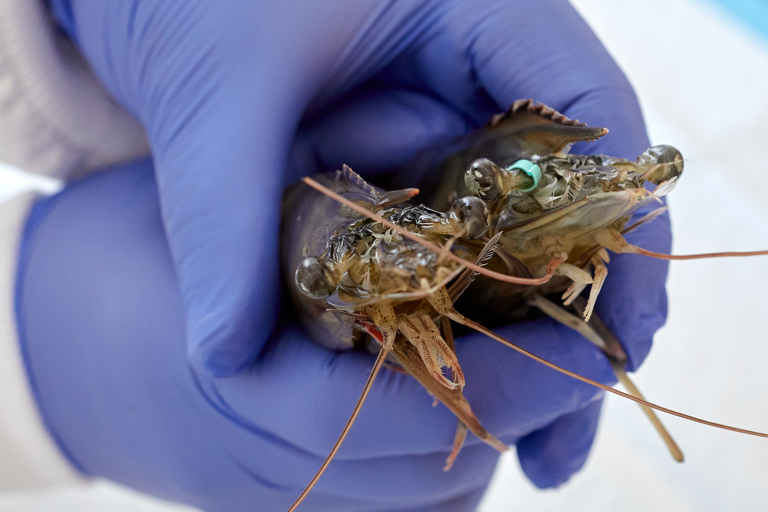
How Indonesian company Prima Larvae Bali is using genetic technology and a partnership with CAT to elevate its shrimp breeding program.
Health & Welfare
La suplementación con nucleótidos en la dieta podría optimizar el rendimiento, la rentabilidad y la resistencia a enfermedades en estanques intensivos de camarones.
Health & Welfare
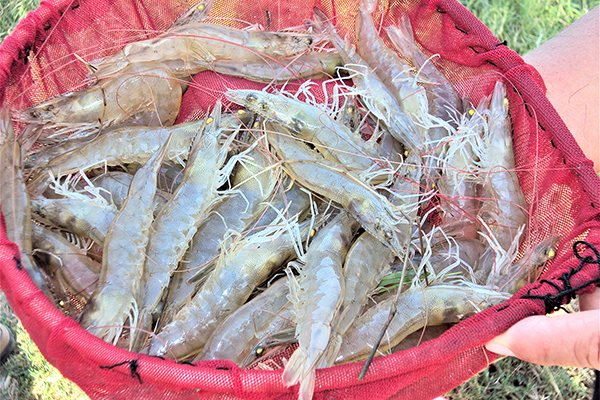
Dietary nucleotide supplementation could optimize performance, profitability and disease resistance in intensive shrimp ponds.
Innovation & Investment
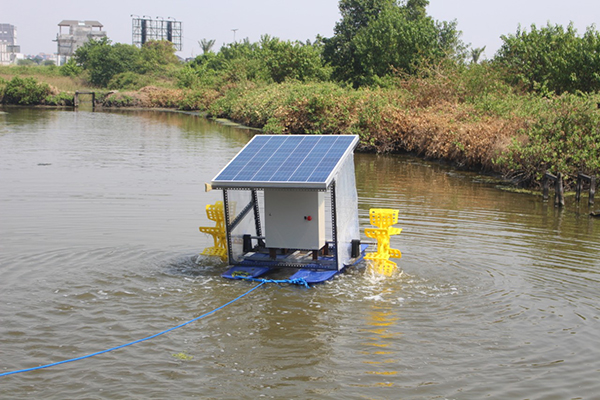
Researchers at Institut Teknologi Sepuluh Nopember have developed an automatic, solar-powered aerator for shrimp ponds in remote areas of Indonesia.
Responsibility
Los manglares restaurados tuvieron una producción de hojarasca significativamente mayor que los manglares intactos, pero no hubo diferencias significativas en la descomposición de la hojarasca.
Responsibility
Restored mangroves had significantly higher plant litterfall production than intact mangroves, but no significant difference in leaf litter decomposition.
Responsibility
En la tercera parte de esta serie, los autores dicen que un menor uso de energía en el cultivo de camarones requiere que los productores se concentren en el intercambio de agua y la aireación.
Responsibility
In part three of this series, the authors say lower energy use in shrimp farming requires producers to focus on water exchange and aeration.
Responsibility
En la segunda parte de esta serie, los autores sugieren pasos para reducir el potencial de contaminación del cultivo de camarones al prestar especial atención a los alimentos no consumidos.
Responsibility
El Prof. Boyd analiza el uso de la tierra en el cultivo de camarón en los cinco principales países exportadores de camarón cultivado: Ecuador, India, Indonesia, Tailandia y Vietnam.
Responsibility
In part two of this series, the authors suggest steps to reduce the pollution potential of shrimp farming by paying special attention to uneaten feed.
Responsibility
Prof. Boyd discusses land use in shrimp farming in the five major exporting countries of farmed shrimp: Ecuador, India, Indonesia, Thailand and Vietnam.