


European aquaculture group calls for crackdown on misleading ‘seabass’ labels

FEAP warns that mislabeling fish as seabass confuses consumers and undermines trust in sustainable seafood
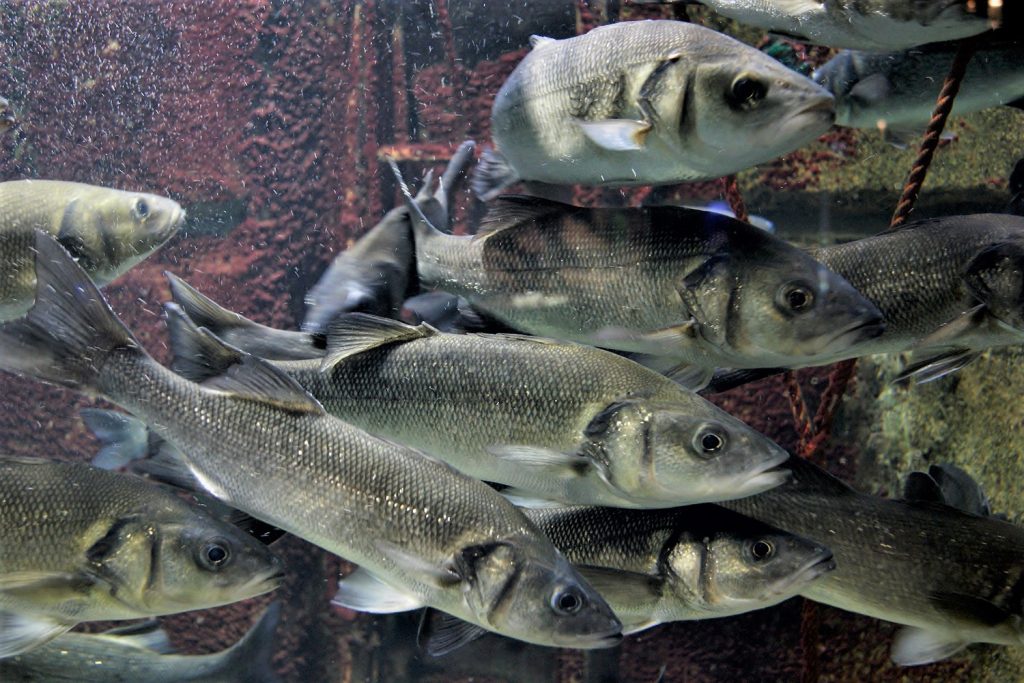
The Federation of European Aquaculture Producers (FEAP) is urging stricter accuracy in seafood labeling, citing growing instances in which fish marketed as “seabass” are not European sea bass – a practice the group says could mislead consumers and harm the continent’s aquaculture industry.
According to FEAP, recent market reviews show that barramundi (Lates calcarifer), a fish native to the Indo-Pacific, is often sold simply as “seabass” in parts of Asia and the Middle East. The group says this practice can confuse consumers and diminish the reputation of European sea bass (Dicentrarchus labrax), a separate species farmed sustainably across the Mediterranean.
“Accurate labelling is essential to ensure transparency, maintain consumer confidence and protect fair competition in international trade,” wrote FEAP representatives in a press release. “Misleading product descriptions not only confuse consumers but also dilute the value of high-quality European aquaculture products that comply with stringent environmental, food safety and traceability standards.”
Can handheld DNA testing technology stand up to seafood fraud?
![Ad for [Aquademia]](https://www.globalseafood.org/wp-content/uploads/2025/07/aquademia_web2025_1050x125.gif)
FEAP is urging regulators, retailers and seafood producers to ensure that fish are labeled with both their correct common and scientific names. The group said products made from Lates calcarifer should be identified as barramundi, giant sea perch or Asian sea bass – terms recognized by the U.N. Food and Agriculture Organization (FAO) – to distinguish these species from European sea bass.
“Ensuring truthful labelling supports informed consumer choices, protects the integrity of international seafood markets and helps sustain the positive image of European aquaculture globally,” wrote the organization.
Now that you've reached the end of the article ...
… please consider supporting GSA’s mission to advance responsible seafood practices through education, advocacy and third-party assurances. The Advocate aims to document the evolution of responsible seafood practices and share the expansive knowledge of our vast network of contributors.
By becoming a Global Seafood Alliance member, you’re ensuring that all of the pre-competitive work we do through member benefits, resources and events can continue. Individual membership costs just $50 a year.
Not a GSA member? Join us.
Author

Related Posts
Intelligence
Study shows low species substitution rates for popular seafoods in U.S. markets
Study shows low species substitution rates for popular seafoods in the United States, boosting consumer confidence despite mislabeling challenges.

Intelligence
Unmasking unagi: What DNA testing reveals about American eel in Japan’s markets
Much of Japan’s grilled eel is actually the American eel species Anguilla rostrata. How does that impact efforts to increase transparency in seafood?
Fisheries
Partnership aims to enhance transparency in global tuna supply chain
SFP-ISSF-GFW partnership will share data and tools to help buyers ID tuna vessels using sustainable practices and following regulations.
Intelligence
Transparency technology puts aquaculture on the front foot
An expanding number of aquaculture producers are discovering that readily available technology can help them share their egg-to-plate journeys openly.