


University of Stirling’s new grant aims to advance fish welfare and responsible aquaculture in Southeast Asia

A new project led by the University of Stirling will improve farmed fish welfare in Southeast Asia through research, training and regional collaboration
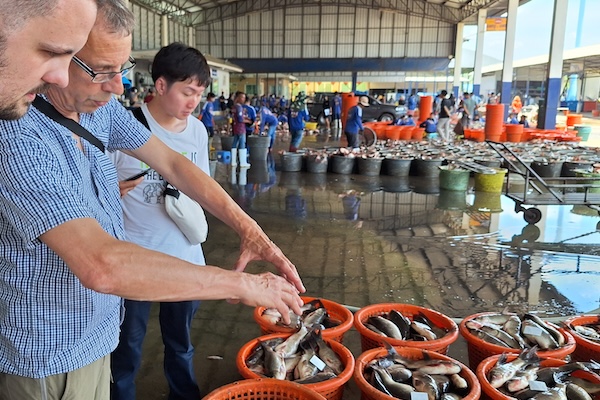
The University of Stirling has received more than £2 million (approximately $2.6 million) in funding for a new project aimed at improving the welfare of farmed fish in Indonesia, Thailand, and Vietnam.
The three-year initiative, led by Stirling’s Institute of Aquaculture, is supported by a $2.7 million grant from Open Philanthropy, an international organization that funds work across a range of global issues.
“Across Asia, there are serious welfare issues that affect millions of aquatic animals and there is an urgent need to drive change,” said Professor Dave Little, project lead and Deputy Head of the Institute of Aquaculture. “In addition, there is very little awareness about the importance of improving the situation, and we believe that projects such as this can help to change that.”
The project builds on a previous initiative funded by Open Philanthropy that focused on improving farmed fish welfare in Thailand and Vietnam. This new effort expands that work to include Indonesia and supports the continued development of the Asia Fish Welfare Network.

Earlier phases of the project aimed to raise awareness and knowledge among stakeholders across the farmed fish value chain – from production to market – in regions where fish is a dietary staple and aquaculture operations are among the largest globally.
Smallholder Spotlight: The key to profitability for fish farmers is strong animal welfare
“Understanding consumer and other stakeholders’ perceptions is critical to improving practices throughout the value chain, by identifying and targeting areas that could improve welfare the most,” said Little. “In the first project, we identified harvest through to slaughter as being critical points where practice could most effectively be improved. We hope that this significant research funding will help to build on our work to date that is focused on improving aquatic animal welfare, and its role as an ethical food choice, while also being of economic importance to the countries.”
The new funding will support a series of research studies in Indonesia, Thailand and Vietnam, exploring various aspects of fish welfare, including practical practices, biological needs and social and economic considerations. The project will also deliver workshops and outreach activities for academics and aquaculture practitioners and expand exchange and mentorship programs aimed at strengthening networks and institutional capacity.
In addition, six fully funded scholarships will be offered to students from the three target countries to pursue a master’s degree at the University of Stirling’s Institute of Aquaculture, helping to cultivate local expertise and sustain long-term progress in fish welfare.
“The team has prioritized building and supporting local fish welfare research communities in Thailand and Vietnam and has partnered with industry and policymakers to maximize the chances that the fish welfare improvements resulting from their work are taken up sustainably,” said Michelle Lavery, Program Associate, Farm Animal Welfare at Open Philanthropy. “This kind of field-building and industry-facing groundwork is important for fish welfare now and into the future.”
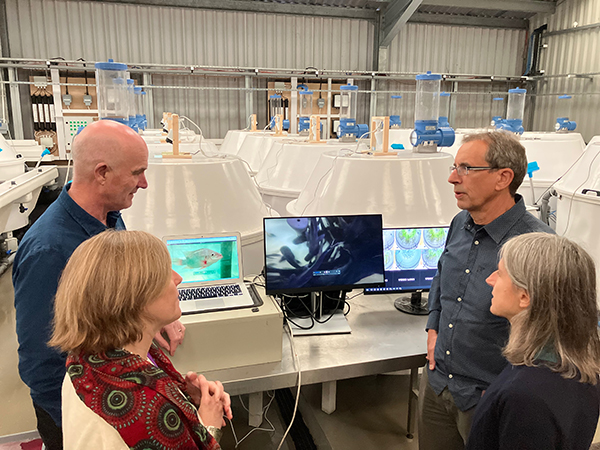
The announcement comes as the university nears completion of its National Aquaculture Technology and Innovation Hub (NATIH), a £17 million (US $22 million) government-funded facility that will advance modern aquaculture practices. Integrated with the Institute of Aquaculture, NATIH will focus on challenges such as fish welfare and environmental impact to support the UK’s leadership in the sector.
Now that you've reached the end of the article ...
… please consider supporting GSA’s mission to advance responsible seafood practices through education, advocacy and third-party assurances. The Advocate aims to document the evolution of responsible seafood practices and share the expansive knowledge of our vast network of contributors.
By becoming a Global Seafood Alliance member, you’re ensuring that all of the pre-competitive work we do through member benefits, resources and events can continue. Individual membership costs just $50 a year.
Not a GSA member? Join us.
Author

Related Posts
Innovation & Investment
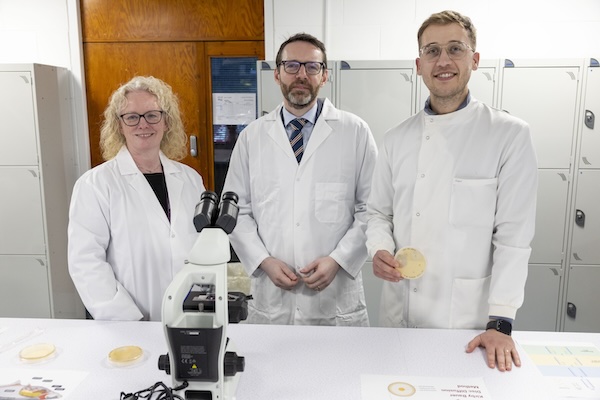
University of Stirling leads sustainable aquaculture project in Vietnam’s Mekong Delta
The AquaSoS project uses digital tools to boost sustainable aquaculture in Vietnam, addressing disease, climate change and pollution.
Responsibility
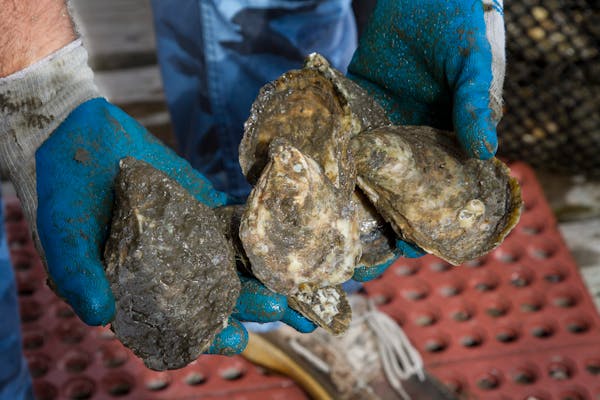
Sustainable mollusk farming project aims to boost food security in Asia
New global research initiative targets more sustainable, resilient mollusk farming in Asia amid climate and food security challenges.
Responsibility
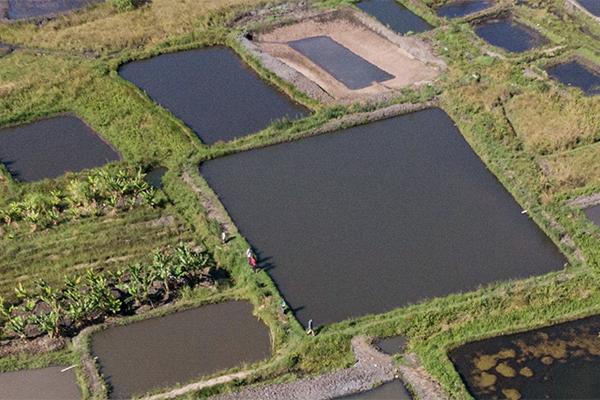
Study: Small-scale aquaculture can improve income, food security in rural regions like Zambia
A Stirling study finds that adopting aquaculture helps rural Zambian households diversify their income and improve their food security status.
Health & Welfare
Aquaculture research project secures funding to improve farmed fish welfare in Thailand and Vietnam
The University of Stirling has secured funding to improve farmed fish welfare in Thailand and Vietnam, with the aim to enhance fish quality.