


Researchers point to ocean oxygen as key to improving fisheries management

Rethinking ocean oxygen as a dynamic, limited resource may improve predictions of climate impacts and strengthen fisheries management: Newcastle University
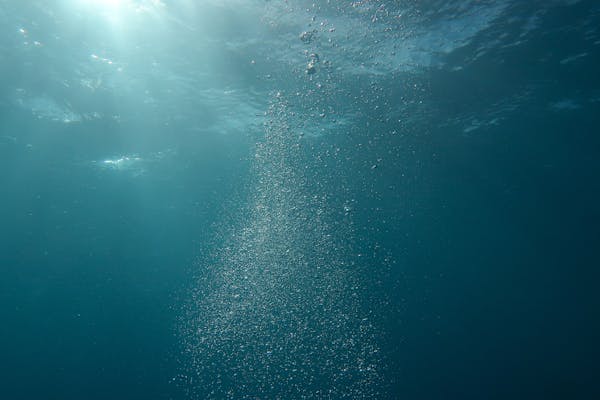
Treating ocean oxygen as a dynamic, limited resource may help scientists better predict marine responses to climate stress and improve fisheries management, according to a new study led by Newcastle University.
The study examined how deoxygenation – a decline in ocean oxygen levels – alters coastal ecosystems through what researchers refer to as the “oxyscape” (or the dynamic oxygen landscape of coastal waters). The researchers introduce a conceptual framework aimed at understanding how natural fluctuations in oxygen may influence the ability of marine species to withstand climate change and pollution-related stressors.
“We often think of oxygen in marine ecosystems as stable and unchanging,” said Dr. Marco Fusi, senior lecturer in marine biology at Newcastle University’s School of Natural and Environmental Sciences. “But for marine life, oxygen levels are constantly shifting. Understanding this dynamic ‘oxyscape’ is key to improving how we measure oxygen, assess deoxygenation and evaluate ecosystem health.”
The researchers call for a new way of understanding ocean oxygen – not just as a necessity, but as a limited resource marine species may compete for, depending on its availability, supply rate and crowding. This approach, they argue, could help scientists more accurately predict where marine species will thrive, how ecosystems will respond to warming waters and how to better protect ocean life.
![Ad for [BSP]](https://www.globalseafood.org/wp-content/uploads/2025/07/BSP_B2B_2025_1050x125.jpg)
“When animals are exposed to natural oxygen fluctuations, they can build tolerance to stressors like heatwaves and pollution,” said Fusi. “However, to truly grasp how marine life responds, we must move beyond a human-centred view and consider what marine organisms actually experience, especially in coastal environments where oxygen levels can vary dramatically.”
Key oxygen-producing habitats – such as kelp forests, coral reefs, seagrass meadows, mangroves and certain microbial communities – help offset oxygen loss and support coastal ecosystem health. According to the study, protecting and restoring these habitats is important for maintaining marine biodiversity amid climate-related stress. Understanding how marine organisms respond to changing oxygen levels, the authors note, may improve efforts to manage and sustain ocean ecosystems.
Fisheries in Focus: What are fish aggregating devices and why is there debate about banning them?
“Conditions that seem mild to us may be extreme for fish, corals, and other sea life,” said Fusi. “That’s why we advocate for a new approach: measuring oxygen at the scale and frequency that animals experience it. This will help us design better experiments, develop smarter conservation strategies and build more accurate climate models.”
Dr. Simone Baldanzi, a co-author on the study and professor at the University of Valparaiso in Chile, emphasized the need to capture real-time oxygen dynamics in coastal waters.
“It is fundamental to investigate how marine coastal species, including economically important resources, perceive and respond to changes in oxygen at scales that matter for the functioning of the coastal ecosystem,” he said. “This will help to improve the management of fisheries and reduce the effects of ongoing global ocean deoxygenation.”
Now that you've reached the end of the article ...
… please consider supporting GSA’s mission to advance responsible seafood practices through education, advocacy and third-party assurances. The Advocate aims to document the evolution of responsible seafood practices and share the expansive knowledge of our vast network of contributors.
By becoming a Global Seafood Alliance member, you’re ensuring that all of the pre-competitive work we do through member benefits, resources and events can continue. Individual membership costs just $50 a year.
Not a GSA member? Join us.
Author

Related Posts

Fisheries
Study: Climate change is likely ‘suffocating’ the world’s fisheries
A new study indicates the ocean is losing oxygen due to climate change, greatly affecting fisheries and other marine resources.
Responsibility
Study: Climate change will shuffle marine ecosystems in unexpected ways as ocean temperature warms
A study found that, as the ocean temperature warms, fish will continue to exist in certain areas but are not likely to be as abundant.
Health & Welfare
With warming waters, will fish suffer from oxygen deprivation?
A new study has found that larger fishes are more likely to experience oxygen deficiency in warming water than smaller species.

Responsibility
Ocean temperatures hit record highs in 2024
Ocean temperatures reached record highs in 2024, with deep ocean warming underscoring the urgent need for climate action.