


Climate change will increase labor risks in fisheries, study warns

Authors call for integrated policy responses across climate, fisheries and labor systems

Industrial fishing is one of the world’s most physically strenuous, hazardous and deadly jobs.
According to the Lloyd’s Register Foundation World Risk Poll, a quarter of fishers (26 percent) have been harmed in their job over the last two years, while nearly three quarters (73 percent) have never received any safety training. Industrial fishing is also one of the highest-risk sectors for forced labor.
A paper appearing in the November 2025 issue of the journal Marine Policy, led by WorldFish senior scientist Michelle Tigchelaar and an international team of researchers, warns that climate change is likely to make the working conditions for fishers even more dangerous.
The study outlines a conceptual framework that draws on a review of literature and a convening of government and academic researchers and worker representatives, to better understand how climate change is affecting industrial fisheries. Results show that climate change is likely to reshape the risks for fishers in three main ways: First, physical hazards are rising, including stress and injuries caused by worsening storms and heat exposure.
![Ad for [BSP]](https://www.globalseafood.org/wp-content/uploads/2025/07/BSP_B2B_2025_1050x125.jpg)
Second, shifts in fish abundance and location due to warming waters are driving longer trips and working hours, resulting in increased fatigue and more strain on mental health. And third, structural factors like recruitment debt, weak enforcement and immigration precarity leave many fishers, especially migrants, with little power to refuse unsafe work. This can lead to exploitative working conditions and further entrench inequities.
How can the fishing industry address forced labor, with the scope more in focus?
There are also major gaps in data and governance. Although climate models and fisheries science are improving, there is still little attention on how these changes affect workers, for example how demographic and socioeconomic factors and working conditions could influence the nature and magnitude of climate change effects on fishers. Labor protections are often vague or unenforced, and policies across climate, fisheries and migration remain fragmented. It is also unclear how these risks play out in different fishing contexts and what the appropriate responses might be.
“Many climate change impacts are exacerbating decent work deficits that already plague the fishing industry such as poor accommodations, excessive working hours, and hazardous working conditions. As a result, there remains considerable uncertainty as to whether amending existing policies will be sufficient to address the impacts of climate change, or if new policy efforts are necessary across a spectrum of inter-related areas including labor protections, immigration and migration, and fisheries governance,” the authors concluded.
With fishers already reporting adverse effects on working conditions from marine climate hazards like storms, increasing temperatures and environmental toxins, the authors emphasize that a worker-informed evidence base is required to determine appropriate responses. The study calls for enhanced communication between fishers and policy makers to create responsive and proactive steps.
Now that you've reached the end of the article ...
… please consider supporting GSA’s mission to advance responsible seafood practices through education, advocacy and third-party assurances. The Advocate aims to document the evolution of responsible seafood practices and share the expansive knowledge of our vast network of contributors.
By becoming a Global Seafood Alliance member, you’re ensuring that all of the pre-competitive work we do through member benefits, resources and events can continue. Individual membership costs just $50 a year.
Not a GSA member? Join us.
Author

Related Posts
Responsibility
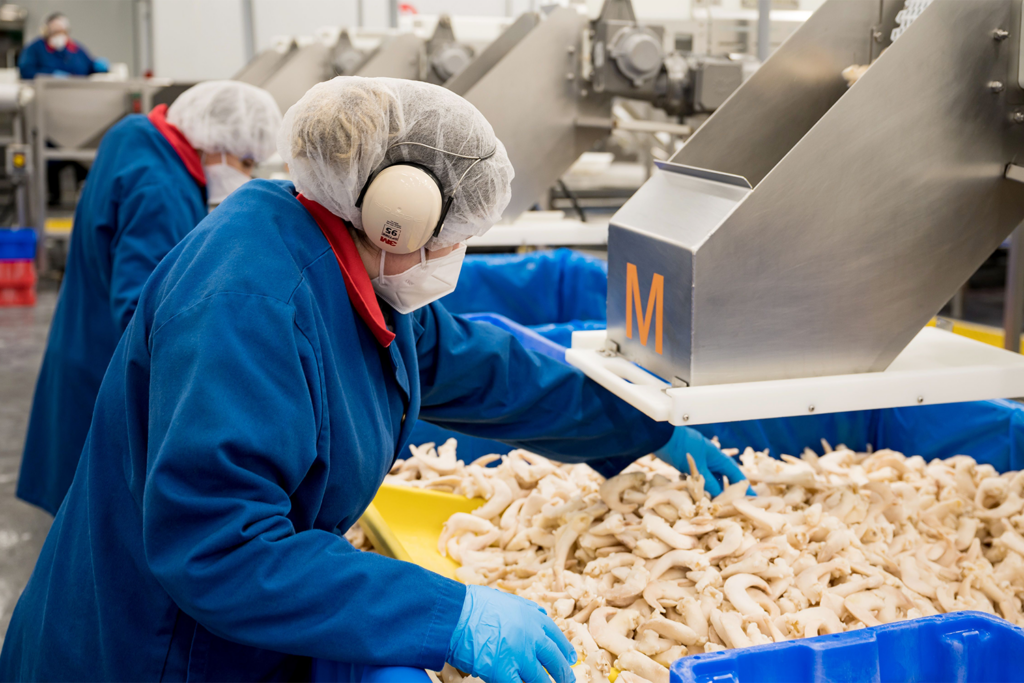
‘Building towards abundance’: How Indigenous-owned Clearwater Seafoods is reshaping Canada’s seafood industry
The Mi’kmaq Coalition’s 50 percent acquisition of Clearwater Seafoods is transforming Canada’s seafood industry and promoting responsible fisheries.
Responsibility
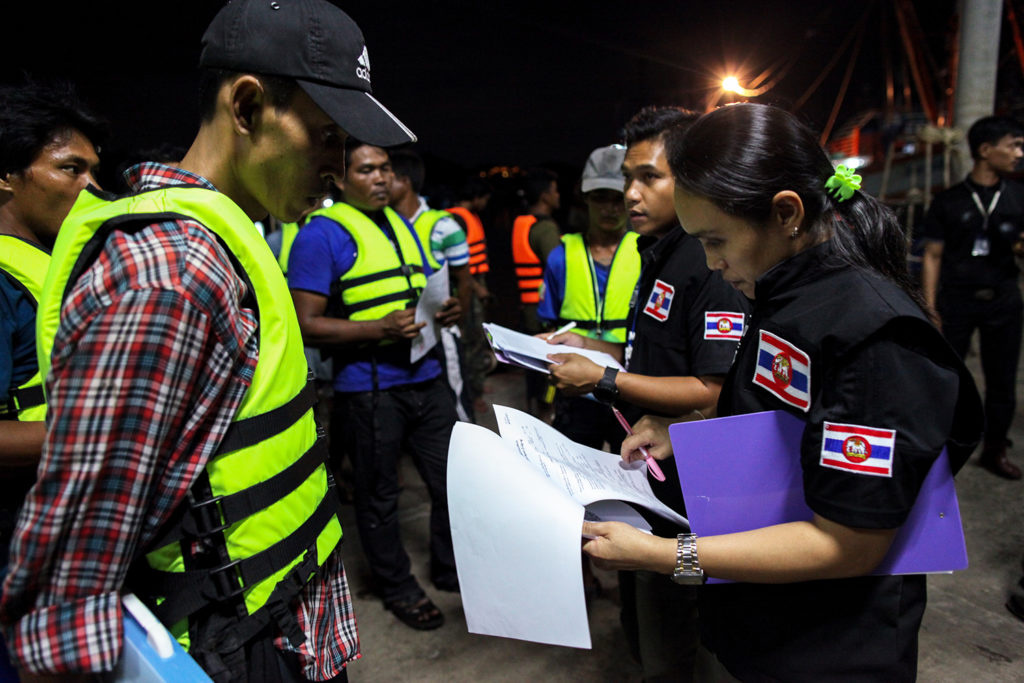
ILO: Seeking Decent Work for Thailand’s fishing and seafood industry
The new Global Estimates of Modern Slavery report released by the International Labour Organization indicates that 24.9 million workers at any given time in 2016 were in modern slavery. One in 10 of those workers around the world was working in the fishing and agriculture industries.
Responsibility
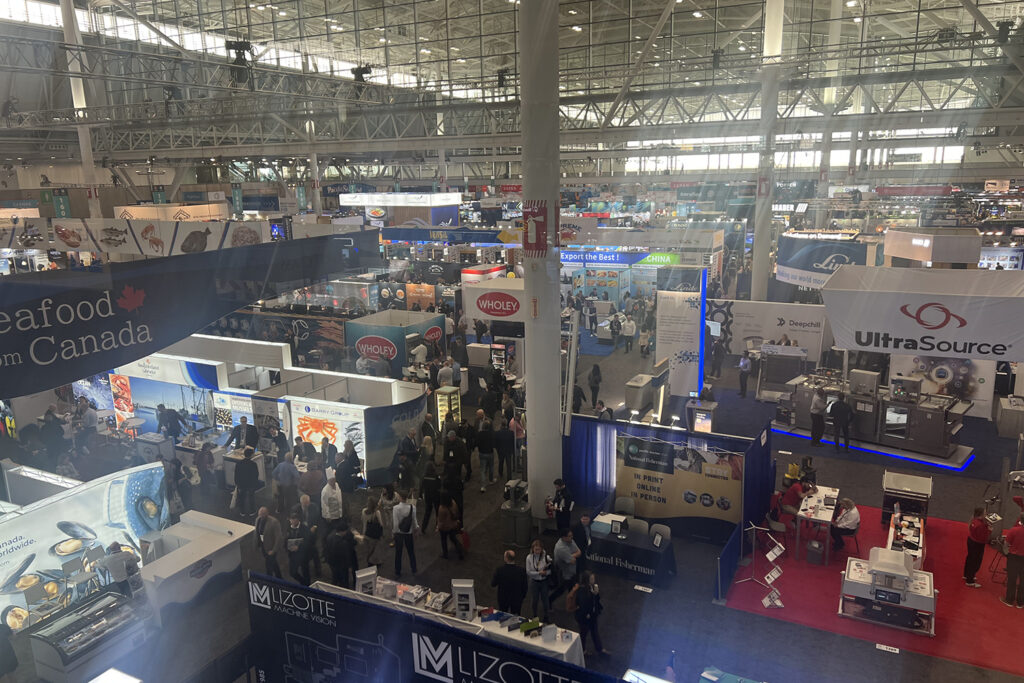
‘It’s not something new’: Addressing human rights due diligence in seafood sourcing at Seafood Expo North America
Fishermen, NGOs and industry representatives share tales of human rights due diligence work in seafood procurement at Seafood Expo North America.

Intelligence
‘Traceability matters’: FAIRR on seafood, sustainability and the Blue Food Innovation Summit
FAIRR’s Laure Boissat discusses seafood traceability, sustainability and investor impact ahead of her panel at the Blue Food Innovation Summit.