


Are giant kelp forests carbon sinks? Environmental DNA technology offers clues

Scientists in New Zealand use environmental DNA to trace carbon from giant kelp and measure its role in carbon sequestration
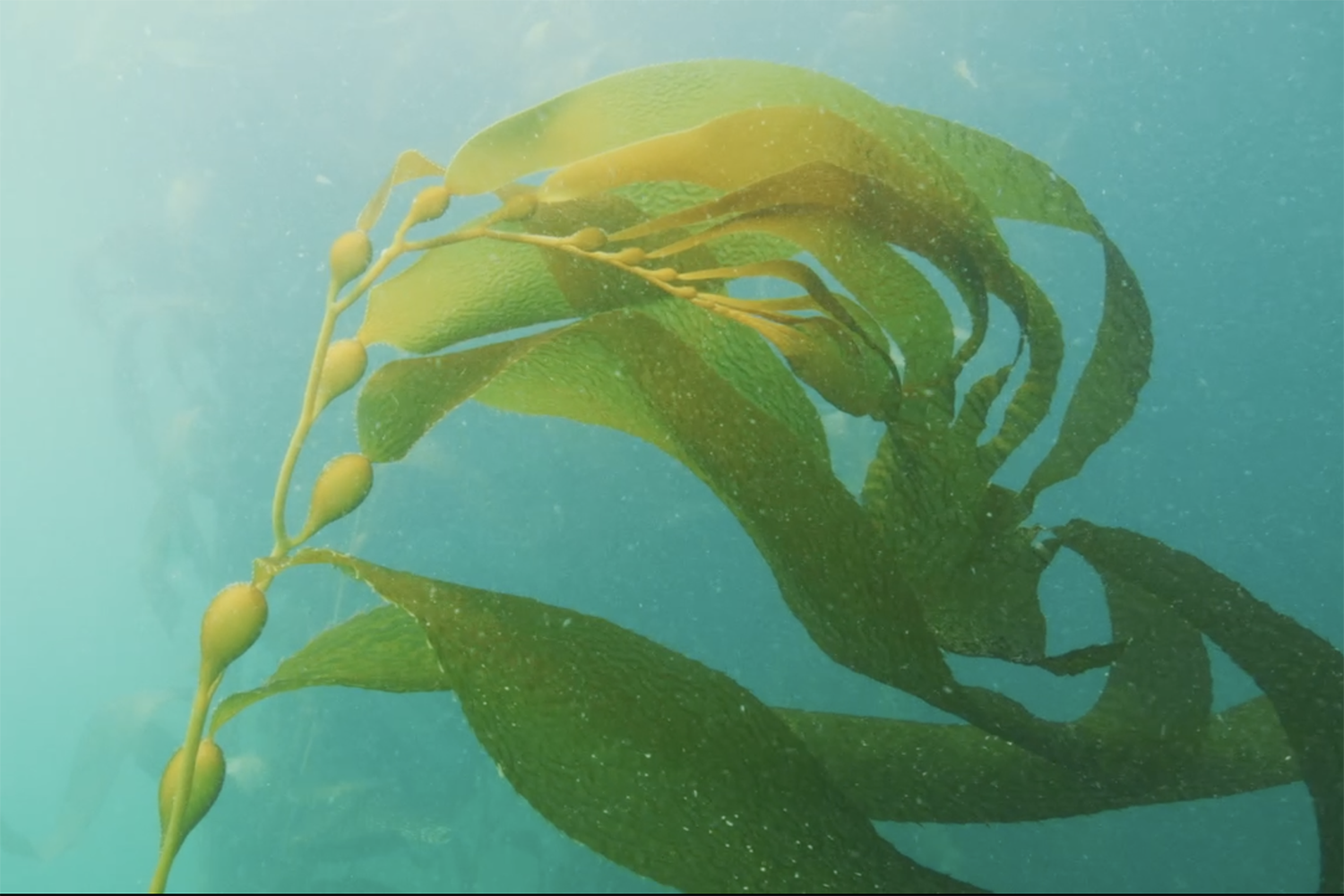
Kelp has long played an important role in marine ecosystems, providing habitat and food for various marine life. But more recently, it’s been drawing attention as a possible way to sequester carbon, amidst a growing interest in innovative, nature-based solutions.
In New Zealand, a new research project is using environmental DNA (eDNA) to understand the role of giant kelp (Macrocystis pyrifera) in carbon sequestration. The international collaboration of scientists and conservation groups consists of the Cawthron Institute (NZ), which is leading the initiative, Sequench Ltd (NZ), the Kelp Forest Foundation (Netherlands) and NatureMetrics (UK). The team is developing and validating eDNA-based methods to quantify the trajectory of kelp-derived carbon and reveal how kelp could help to tackle climate change.
“There is some debate on the extent to which giant kelp forests sequester meaningful levels of carbon,” Emily Giles, molecular ecologist at the Cawthron Institute, told the Advocate. “Some say that they do not capture carbon on a scale anywhere near that of terrestrial forests, while others indicate that they are important players in the global carbon cycle. It’s also unclear how far kelp-derived carbon travels once it detaches, how much actually sinks, how much is stored long-term in sediment and the impact of environmental changes on these processes. Furthermore, traditional ways of assessing carbon sinks cannot unambiguously trace kelp-derived carbon back to its original source. Therefore, the actual role of giant kelp forests in carbon sequestration may not be adequately quantified in existing carbon models.”
eDNA is genetic material obtained from an environmental sample. Using it to detect and quantify giant kelp DNA in samples of sediment makes it possible to track giant kelp detritus and estimate how much carbon is being buried and stored. The team has detected giant kelp in sediments outside of forests, which suggests that sinking does occur and that carbon could be stored long term.
![Ad for [Aquademia]](https://www.globalseafood.org/wp-content/uploads/2025/07/aquademia_web2025_1050x125.gif)
The project uses molecular diagnostic tools to detect specific DNA sequences and obtain genetic fingerprints to track organisms in the environment, and a dataset of genomes of multiple kelp individuals from seven locations. The aim is to provide justification for increased kelp forest conservation efforts and promote their restoration and cultivation.
“eDNA can identify organisms at a species level and allows us to analyze hundreds of samples at once,” said Anastasija Zaiko, co-founder and lead scientist at Sequench Ltd. “We can also leverage it to infer the ecological status, or health, of kelp environments.”
From naked clams to fish fitness, land-based aquaculture is thinking outside the tank
“eDNA is highly sensitive, non-invasive and allows us to detect species even from tiny traces left behind – ideal for studying hard-to-track processes like carbon burial,” added Xavier Pochon, leader of the molecular surveillance team at Cawthron.
Hannah Hampton, research scientist in molecular microbiology at Cawthron, says that the project may have positive implications for giant kelp farms by opening the door to scientifically validating the climatic benefits of kelp farming. This, in turn, could support blue carbon credits and incentivize sustainable aquaculture. Accurate measurements of giant kelp’s carbon sequestration potential will also make it possible to account for giant kelp in future blue carbon strategies.
Importantly for farmers, there may also be an increase in the value of their product as it becomes recognized for capturing carbon. Traditional methods of measuring kelp-derived carbon in sediments –such as stable isotope, pigments and lipid analysis – are known to underperform, said Hampton, but eDNA can provide farms with insights into the movement of kelp-derived carbon to sediments and higher trophic levels. It is fast, scalable, easy to sample and can monitor carbon pathways without disturbing the ecosystem, helping farms quantify their environmental value.
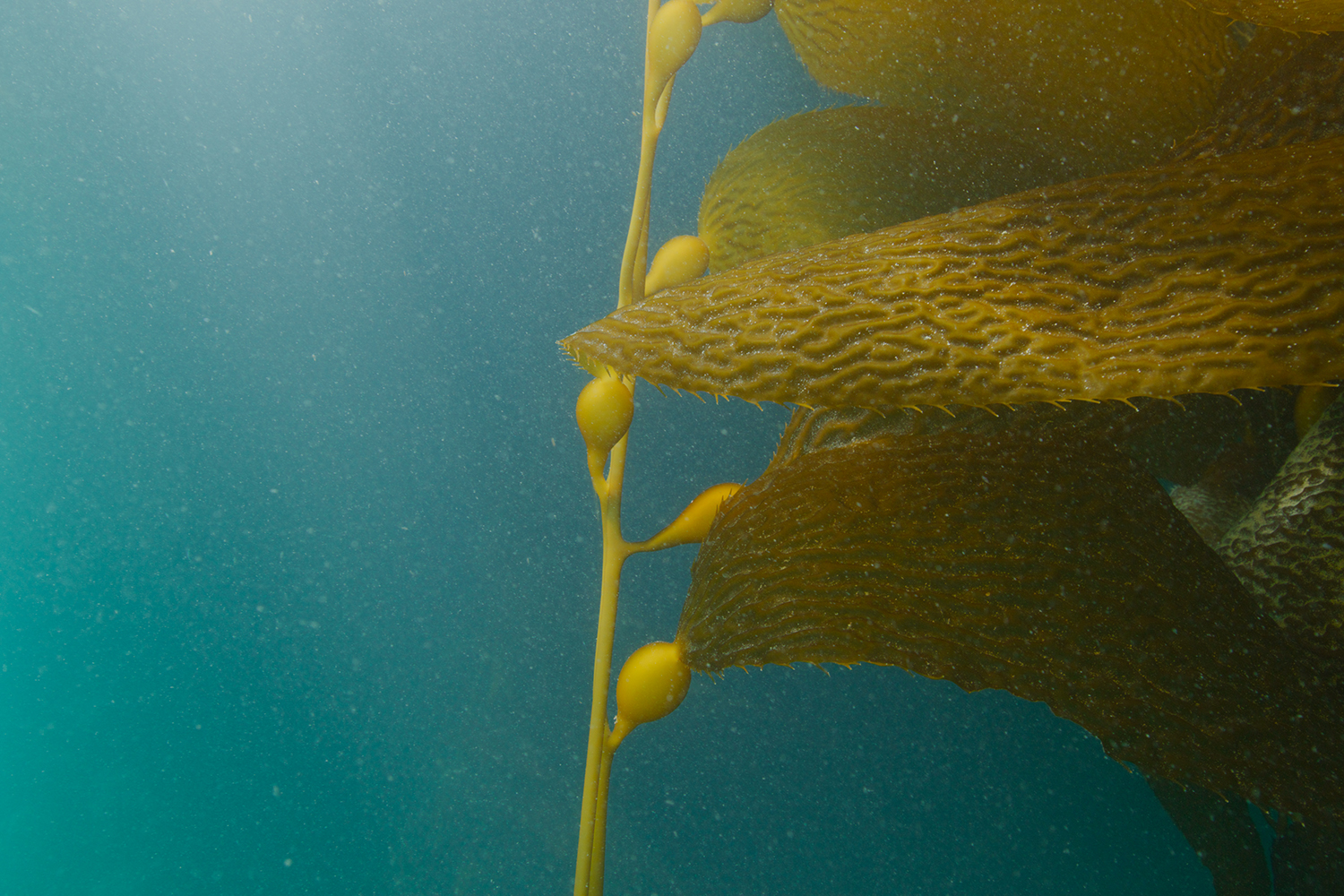
However, interpreting eDNA data can be complex – it doesn’t measure bulk carbon directly and requires careful calibration with environmental values.
“There is a wealth of literature on the use of eDNA in aquaculture,” said Zaiko. “The applications are broad, from early detection of disease and pests to identifying food sources and characterizing the impact of farming on surrounding ecosystems. It could become a standard tool for verifying carbon credits and sustainability claims, especially as the demand for transparent, science-based reporting grows.”
Regardless of their carbon sequestration potential, the numerous ecosystem benefits of giant kelp forests highlight the need to protect and restore them. Having developed a species-specific assay for the detection of giant kelp eDNA using publicly available Macrocystis pyrifera genetic sequences and testing this in the Marlborough Sounds in New Zealand, the team hopes that its work will help position kelp as a cornerstone of nature-based climate solutions, spurring conservation and sustainable aquaculture.
“Work in the Marlborough Sounds has been promising – we have detected giant kelp as we would predict with most detections occurring where there are forests,” said Hampton. “However, we have also detected it from sediments where there is only historic evidence of forests. We are now delving into how sediment type may affect this, while working to predict giant kelp detection in regions outside our study.”
“Our results have also brought up questions that we are eager to answer – can we understand the genetic diversity of giant kelp to a point where we can develop an assay that will not only tell us if it is present, but where it has come from?” said Pochon. “Can we begin to understand how its eDNA might relate to its quantity in a sediment sample? We’re moving from lab validation to real-world testing at sea, expanding our sampling and refining tools to support their global application in wild and farmed giant kelp, and coming up with new ideas for future research to better understand this amazing species and its ecological role.”
Now that you've reached the end of the article ...
… please consider supporting GSA’s mission to advance responsible seafood practices through education, advocacy and third-party assurances. The Advocate aims to document the evolution of responsible seafood practices and share the expansive knowledge of our vast network of contributors.
By becoming a Global Seafood Alliance member, you’re ensuring that all of the pre-competitive work we do through member benefits, resources and events can continue. Individual membership costs just $50 a year.
Not a GSA member? Join us.
Author
-

Correspondent Bonnie Waycott became interested in marine life after learning to snorkel on the Sea of Japan coast near her mother’s hometown. She specializes in aquaculture and fisheries with a particular focus on Japan, and has a keen interest in Tohoku’s aquaculture recovery following the 2011 Great East Japan Earthquake and Tsunami.
Related Posts
Innovation & Investment
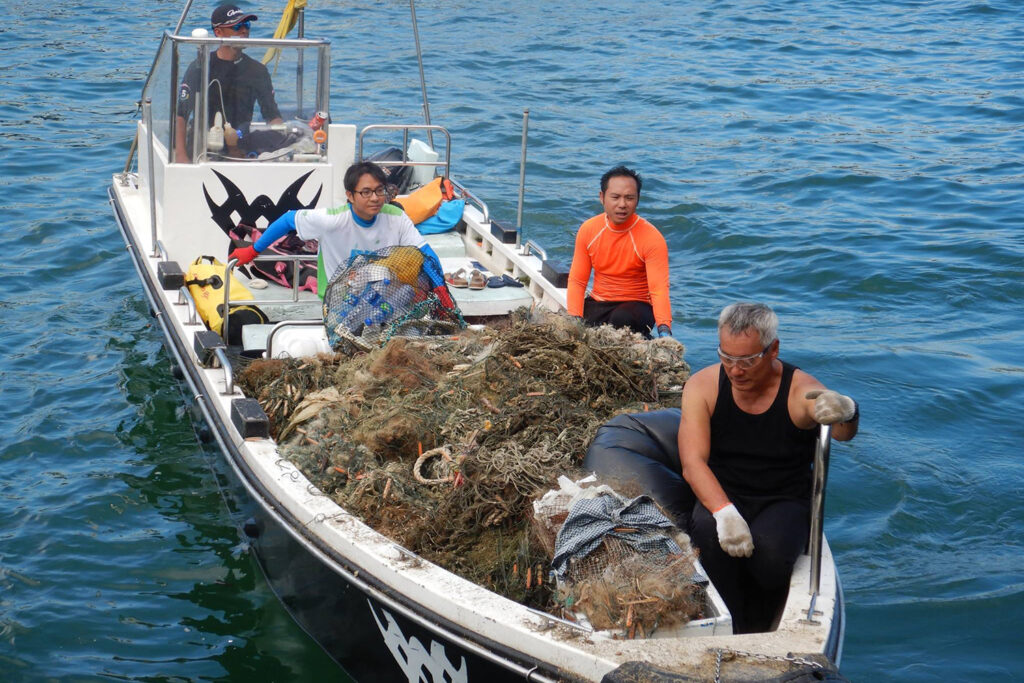
Leveraging AI to detect and retrieve ghost fishing gear: ‘It’s a global problem’
An initiative launched in Germany to deploy AI to find ghost fishing gear uses existing high-resolution sonar data from the seabed.
Fisheries
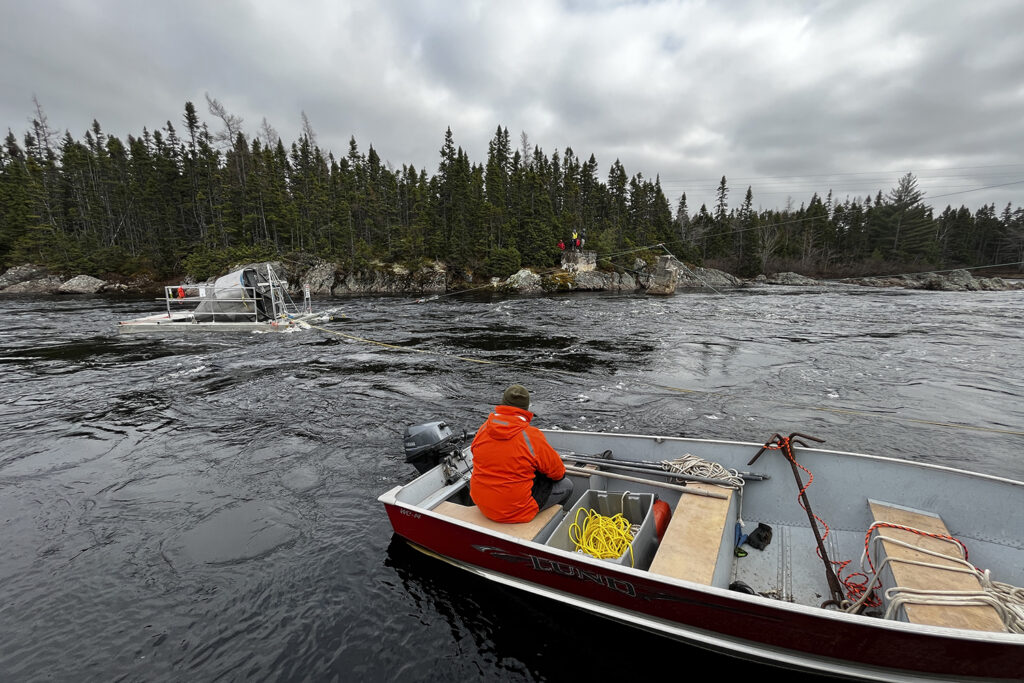
In Canada, the smolt wheel is proving to be a well-rounded solution for salmon migration and conservation
Smolt wheels are helping scientists in Canada track salmon migration, assess river health and guide long-term conservation strategies.
Health & Welfare
Spotlight on crustacean welfare: How the UK is showcasing ways to improve practices and consumer trust
Growing demand for ethical food is pushing the UK seafood industry to prioritize crustacean welfare, improved quality and worker satisfaction.
Intelligence
Singapore company achieves a breakthrough in tropical eel farming by closing the lifecycle
JAPFA Group has achieved captive breeding for tropical eels (Anguilla bicolor), reducing reliance on wild populations and supporting conservation efforts.