


Tuna fisheries most at risk from climate change, new research suggests

Study finds tuna fisheries are highly vulnerable to effects of climate change as oceans warm and fish move into new waters
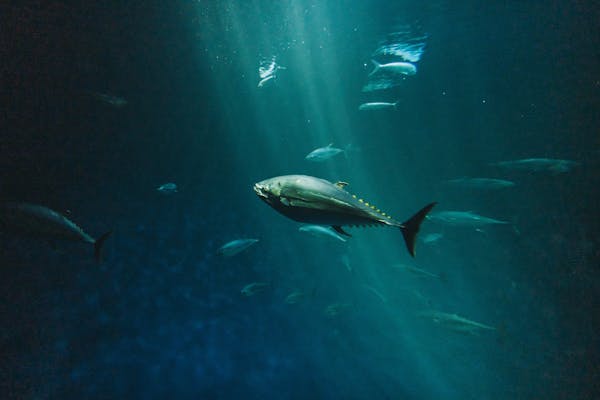
Fisheries that target tuna and other migratory species face the greatest risks from climate change, a recent study found. An analysis of more than 500 sustainably certified fisheries worldwide revealed that ocean warming is altering migration routes and reducing fish abundance across ocean ecosystems.
The study, led by the Marine Stewardship Council (MSC) and published in Cell Reports Sustainability, assessed how global fisheries are exposed to climate-related risks. Researchers examined 19 seafood categories – from krill to lobsters, whitefish to tuna – and a range of fishing methods.
Fisheries targeting highly migratory species, such as tuna, topped the risk index, followed by those catching small pelagic fish, like mackerel, herring and blue whiting. Whitefish fisheries targeting cod, haddock and plaice also ranked among the most exposed to management and stock pressures linked to a warming ocean.
As ocean temperatures rise, migratory species are shifting toward cooler waters. Atlantic bluefin tuna, absent from UK waters for decades, have now returned, while in the Pacific, tuna are moving eastward. As these fish cross new boundaries – from national waters to the high seas – they fall under different jurisdictions and management systems, increasing the risk of disputes over catch limits and overfishing.
![Ad for [Aquademia]](https://www.globalseafood.org/wp-content/uploads/2025/07/aquademia_web2025_1050x125.gif)
“The effects of climate change are causing all types of species to alter their behaviour,” said Lauren Koerner, lead author and data science manager at MSC. “Fish are moving to new and different locations, and as a result, existing agreements between countries quickly become obsolete because the fish stocks have moved.”
Fisheries targeting invertebrates such as bivalves, crabs and prawns were found to be least affected by climate-related management challenges. Because these species are sedentary or live on the seabed, they do not migrate across jurisdictions. Researchers noted, however, that they may still face other climate pressures outside the study’s scope, including ocean acidification and marine heatwaves.
The study, supported by the UN Food and Agriculture Organization’s (FAO) Common Oceans Tuna Project and the Ocean Stewardship Fund, calls for stronger international cooperation to manage shifting fish stocks. It recommends adaptive allocations – adjusting national catch quotas as species move – and renewed efforts to cut greenhouse gas emissions to protect future harvests.
“We have seen fisheries adapting their approach to remain sustainable, but it is becoming more and more challenging to do so without the support of fisheries management organizations that are responsive to the challenges of climate change,” said Koerner.
Ahead of the COP30 climate negotiations in November, the MSC is urging governments to strengthen cross-border cooperation on fish stock management.
“Climate change shows no signs of slowing and global demand for seafood continues to rise,” Koerner said. “Governments and fisheries management organizations need to adapt their practices to keep pace and ensure our oceans remain healthy.”
Researchers analyzed only Marine Stewardship Council-certified fisheries, which already meet rigorous sustainability standards. They warned that non-certified fisheries, with weaker management systems, may be even more vulnerable to the effects of climate change.
“With climate change, there will be winners and losers in tuna fisheries, but for some developing small island states, the impact on their economies could be devastating,” said Joe Zelasney, Common Oceans tuna project manager. “It is important for governments and the five tuna regional fisheries management organisations that manage tuna fisheries on the high seas to work closely together to stay ahead of the changes to protect livelihoods and regional food security.”
Now that you've reached the end of the article ...
… please consider supporting GSA’s mission to advance responsible seafood practices through education, advocacy and third-party assurances. The Advocate aims to document the evolution of responsible seafood practices and share the expansive knowledge of our vast network of contributors.
By becoming a Global Seafood Alliance member, you’re ensuring that all of the pre-competitive work we do through member benefits, resources and events can continue. Individual membership costs just $50 a year.
Not a GSA member? Join us.
Author

Related Posts
Fisheries
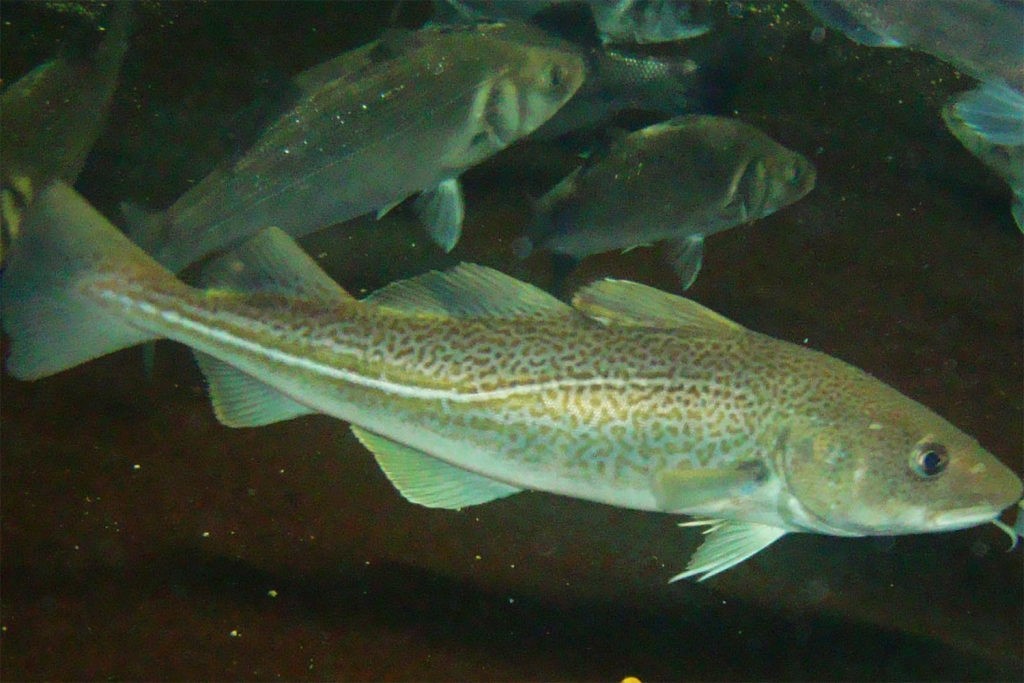
How change in spawning locations of Atlantic cod in the Barents Sea may affect the mean individual size of the offspring
Decreased offspring size likely affects population dynamics through reduced recruitment and may be the cause of reduced biomass of Barents Sea cod.
Responsibility
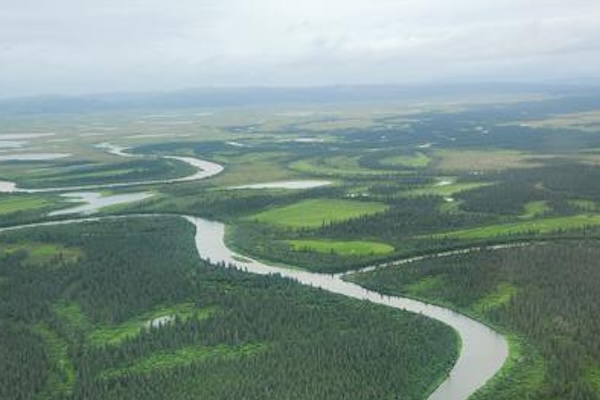
Study: Warming Arctic rivers threaten Chinook salmon and food security for Indigenous communities
Warming Arctic rivers put Chinook salmon at risk, raising food security concerns for Indigenous communities in Alaska and the Yukon.
Fisheries
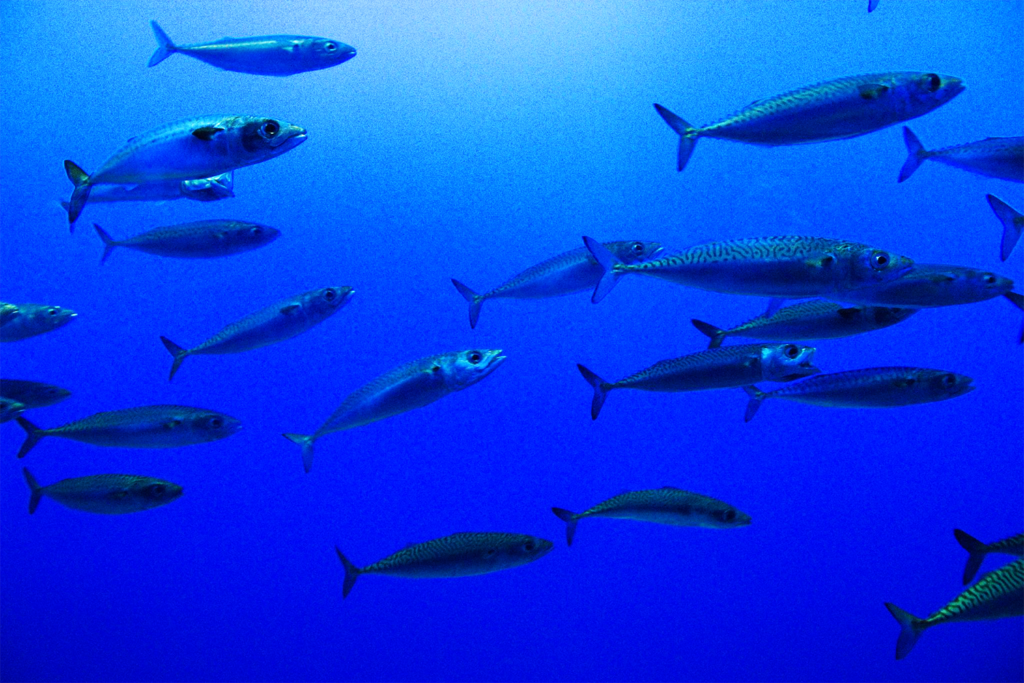
Projecting the shift of chub mackerel spawning grounds from climate change in the Western North Pacific Ocean
Study results can help estimate and predict chub mackerel distributions during early life stages, subsequent exploitable abundance and fishery production.
Fisheries
Impact of climate change and economic development on the catches of small pelagic fisheries
An understanding of the impacts of climate change and economic expansion on small pelagic fisheries offers insights for scientific fishing strategies.