
Health & Welfare
The history and future of the Aquaculture Pathology Laboratory
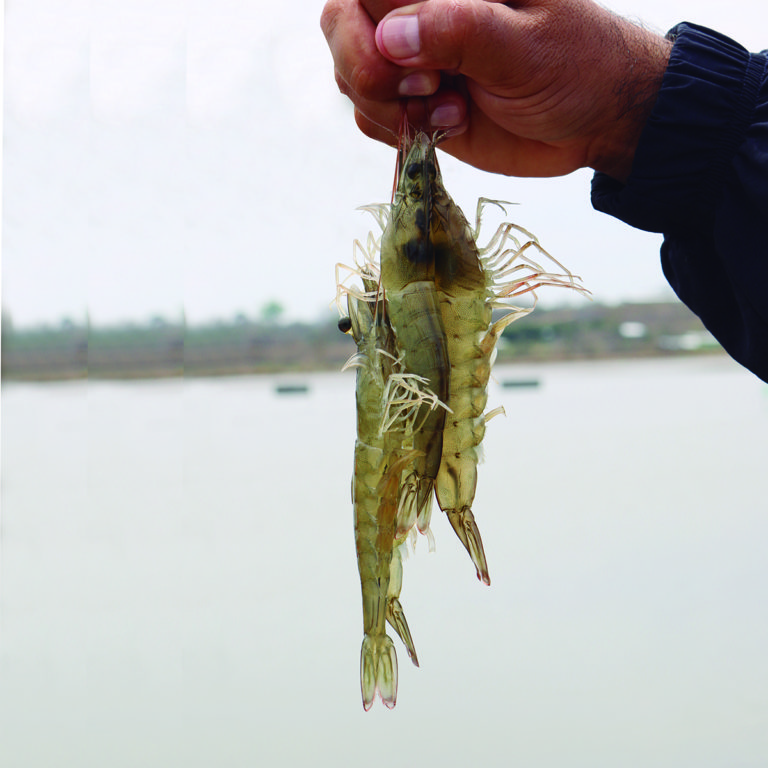
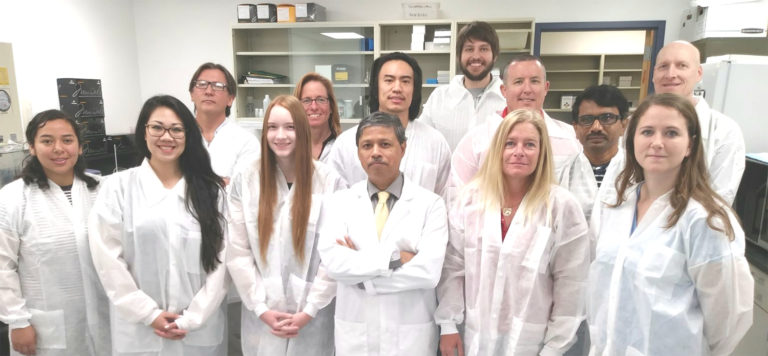
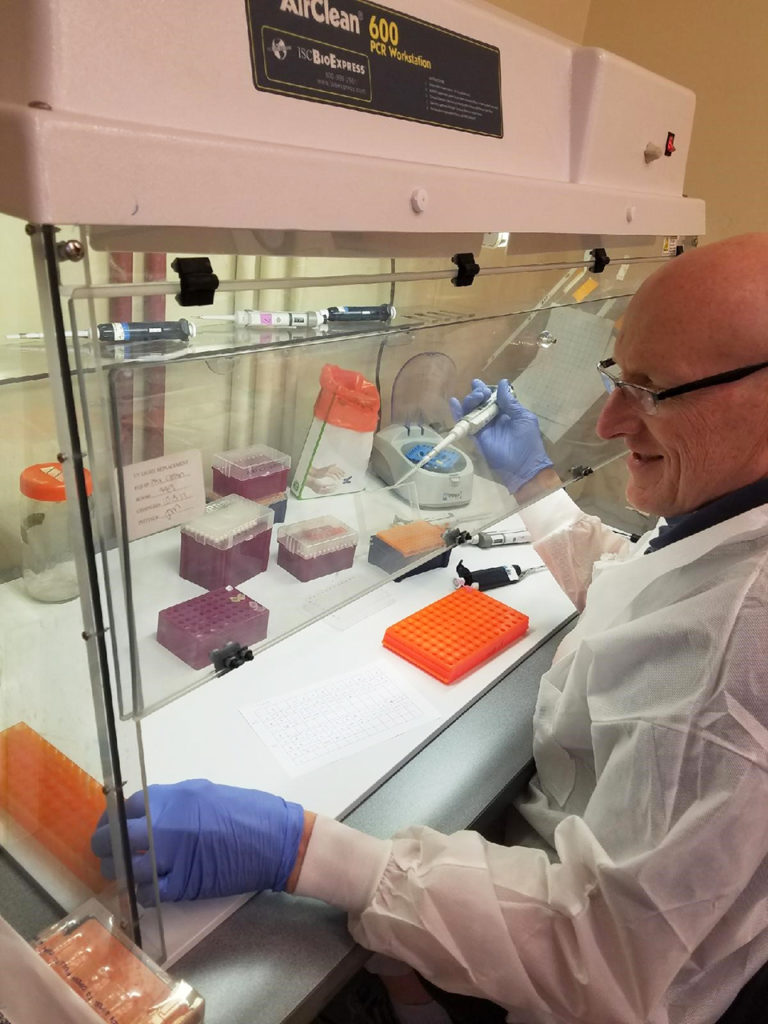
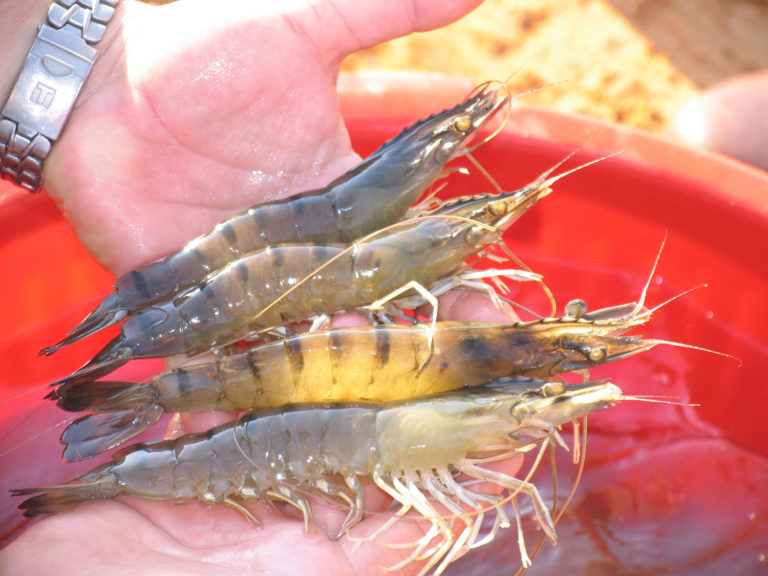
The University of Arizona’s Aquaculture Pathology Laboratory has significantly contributed to the expansion of the shrimp farming for three decades.
Health & Welfare
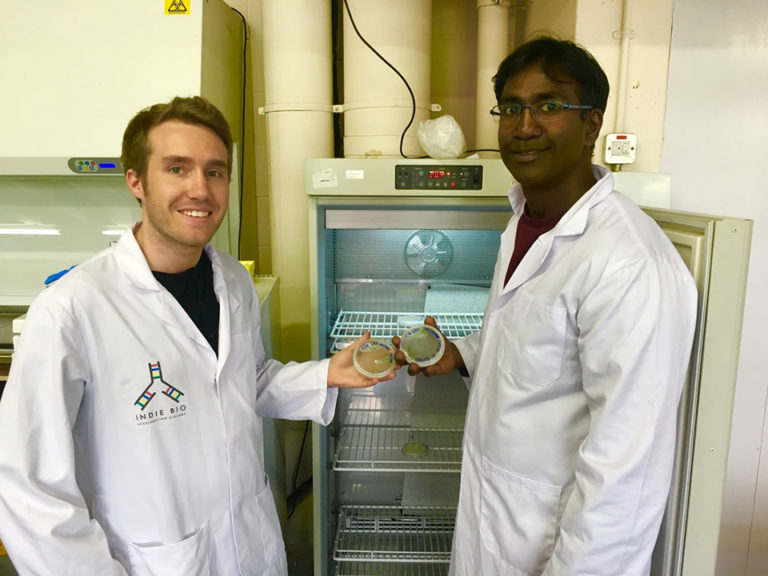
Study demonstrates that isolated phages tested are effective in controlling AHPND infection in farmed penaeid shrimp and inhibiting bacterial growth.
Health & Welfare
The University of Arizona’s Aquaculture Pathology Laboratory has significantly contributed to the expansion of the shrimp farming for three decades.
Health & Welfare
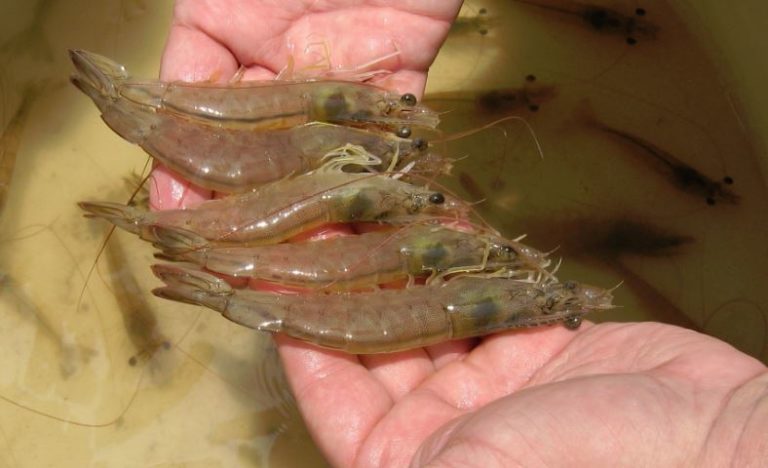
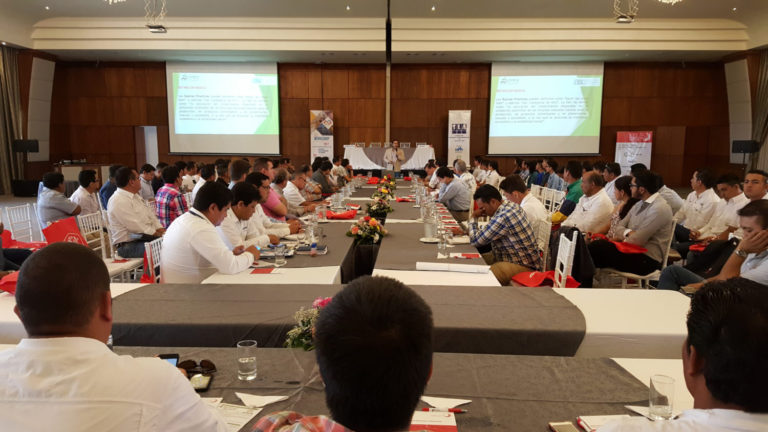
The University of Arizona Aquaculture Pathology Laboratory has carried out the Proficiency Test (PT) since 2005, with 300-plus diagnostic laboratories participating while improving their capabilities in the diagnosis of several shrimp pathogens.
Health & Welfare
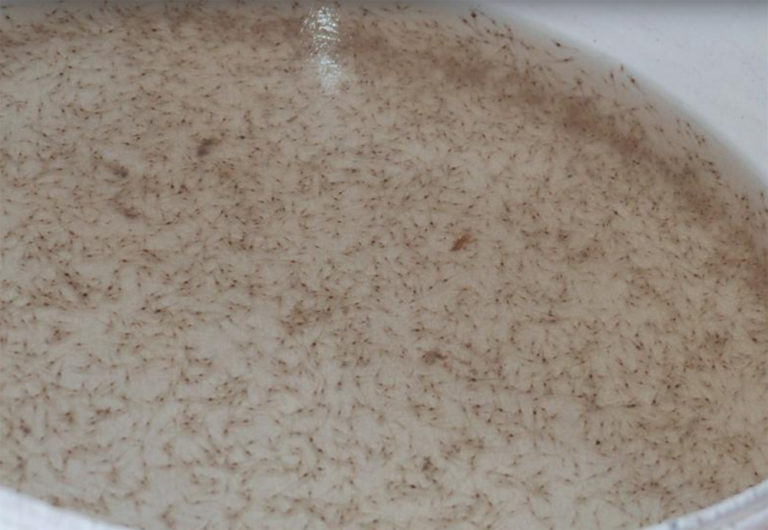
This study evaluated the relationship between the molting stage, age and osmotic stress in Pacific white shrimp postlarvae. The results indicate that osmotic stress tests should be done only with at least PL12 at the intermolt stage and that were cultured at 35 ppt salinity and 29 degrees-C.
Innovation & Investment
MicroSynbiotiX is employing the power of transgenic microalgae to make it cheaper and easier for aquaculture producers to administer vaccines to fish.
Innovation & Investment
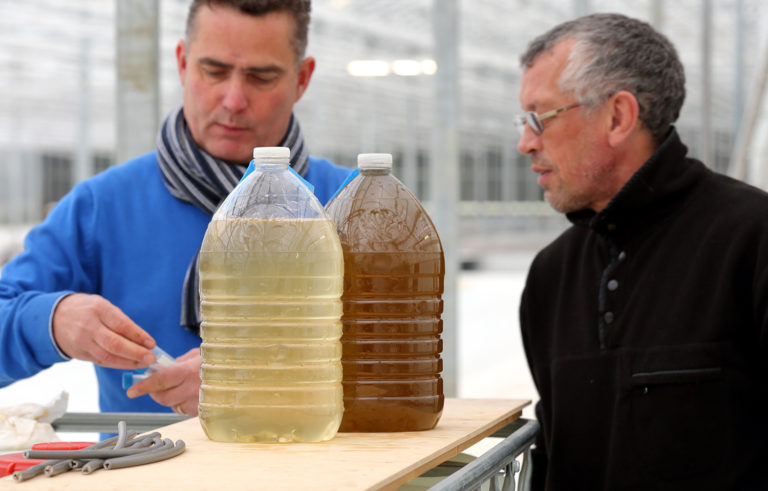
A greenhouse in Belgium believes its innovative shrimp feed product, made from freeze-dried microalgae, packs the necessary nutrients for the crustacean’s most vulnerable life stage: the first three days of its life.
Intelligence
The GOAL 2017 production survey for global shrimp farming production showed a minor recovery for 2016, with production expected to strengthen through 2019, when global farmed production should reach 4.82 million metric tons (MMT), barring major shrimp disease issues.
Responsibility
Group certification can streamline the auditing process, saving farmers time and money while improving economic conditions for all participants. It also has the potential to cause rifts among competitors.
Intelligence
India, now the world’s top farmed shrimp exporter, may lose access to the European marketplace by 2018 due to ongoing issues with antibiotics.
Innovation & Investment
Under pressure for environmental impacts during its expansion in the 1990s, shrimp producers and marketplace representatives formed the Global Aquaculture Alliance to hold their industry to higher standards.
Health & Welfare
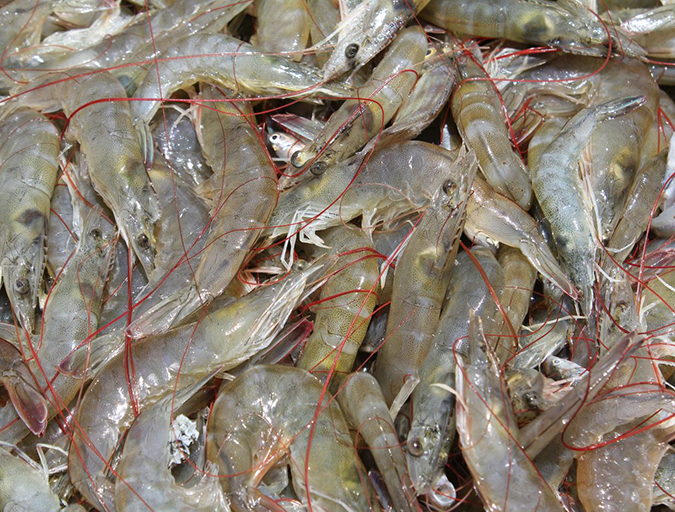
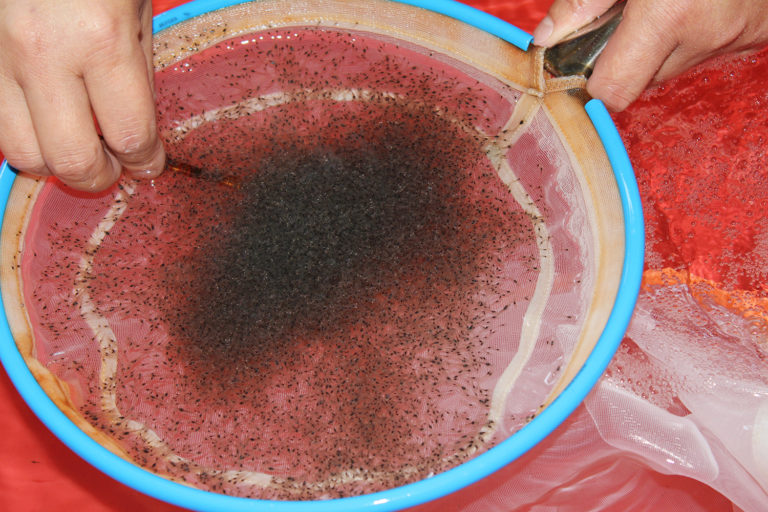
Stocking the best quality shrimp postlarvae, healthy and free of pathogens, is a critical management step with significant effects on the production and profitability of a shrimp farm.
Health & Welfare
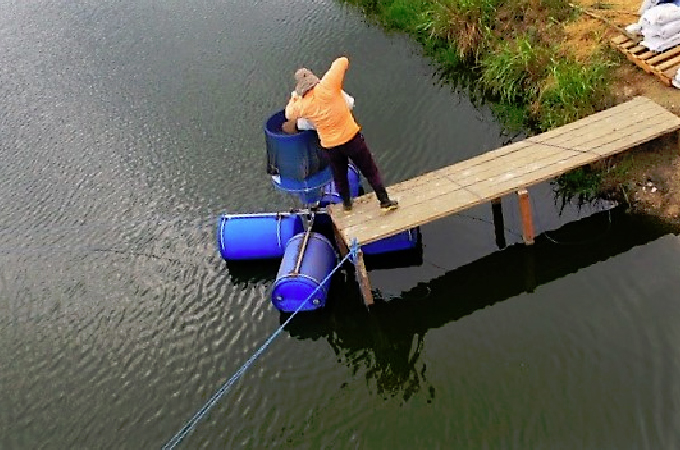
Shrimp nursery systems offer significant potential for compensatory growth after juveniles are transferred to ponds for final grow-out. Nursery feed selection and their management are critical components of shrimp nursery systems.
Health & Welfare
Shrimp nursery systems offer the shrimp industry an important opportunity to increase profits, by helping produce strong, healthy and uniform juveniles with significant potential for compensatory growth after their transfer for final pond grow-out. Biofloc technology and water quality are critical components of shrimp nursery systems.
Health & Welfare
Shrimp nursery systems offer an important opportunity to increase profits. Properly designed and operated nurseries are highly biosecure facilities to grow postlarvae at very high densities.
Intelligence
Boasting ample areas for aquaculture and a robust domestic demand for seafood – not to mention its close proximity to the U.S. market – a land of opportunity lies in Mexico. Fish farming is primed to meet its potential south of the border.
Intelligence
Brine freezing of shrimp at processing plants requires much less energy than other traditional methods. Brine freezing systems are not complex but require attention to detail during the entire production process.