Health & Welfare
Within-family selection enhances shrimp growth
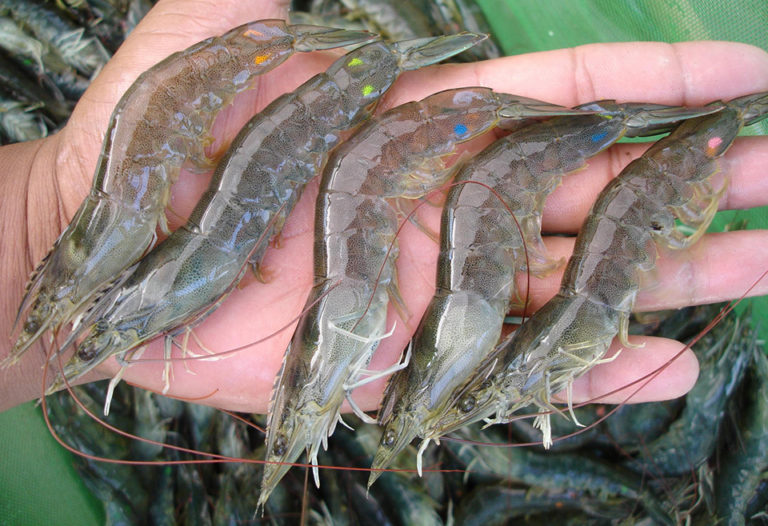
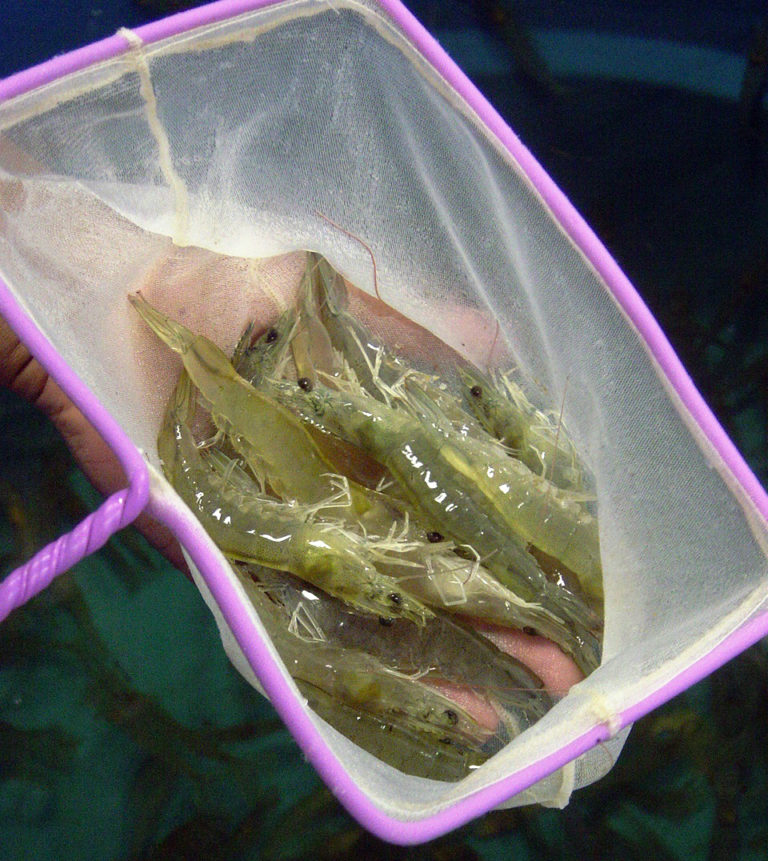
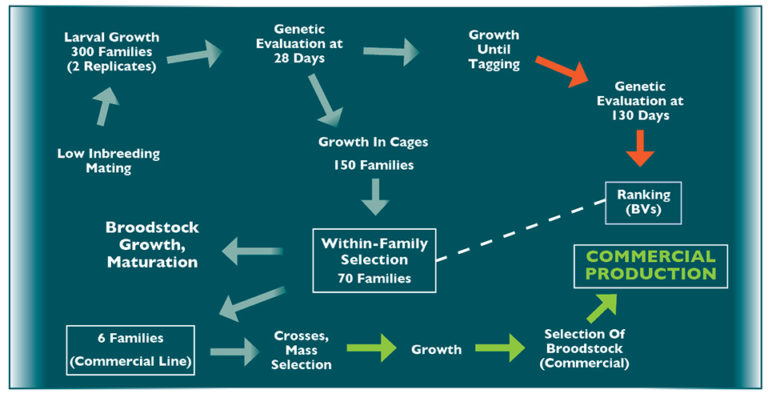
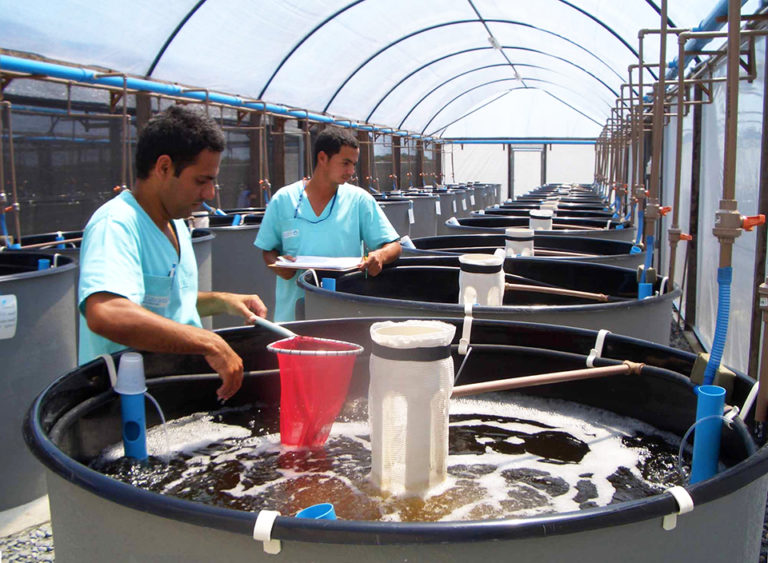
A study in Brazil found that the growth superiority brought about by within-family selection of tested shrimp transmitted to the next generation of animals.
Aquafeeds
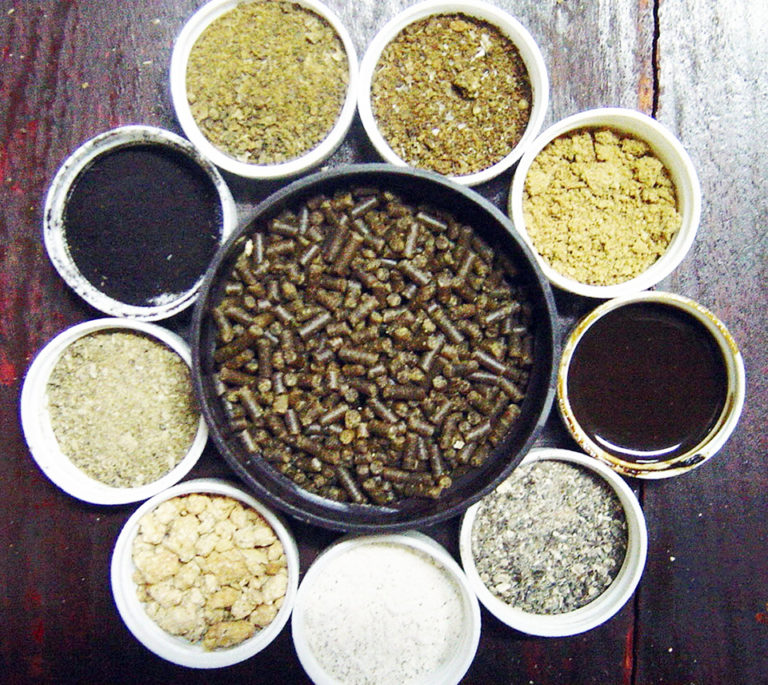
The required level of fishmeal in white shrimp diets can be reduced to 5 percent through substitution as long as fish oil content is kept at 2 percent.
Health & Welfare
A study in Brazil found that the growth superiority brought about by within-family selection of tested shrimp transmitted to the next generation of animals.
Aquafeeds
In a study, the authors evaluated the performance of juvenile white shrimp grown at high density and fed diets with varying levels of methionine. Trends toward improvements in feed intake were observed for diets with reduced fishmeal and HMTBa supplementation.
Health & Welfare
Although still being refined, the IMNV challenge method developed at the University of Arizona has shown promise as a tool to measure resistance in selected family lines of L. vannamei.
Responsibility
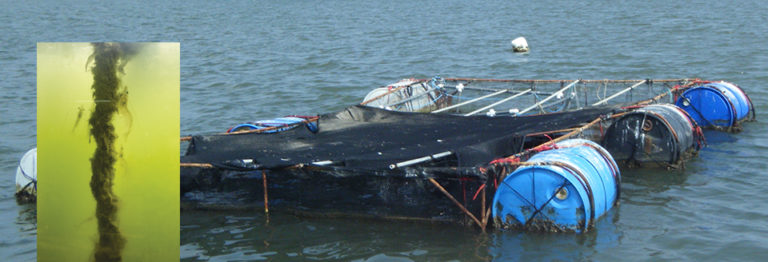
Production of Pacific white shrimp in near-shore floating cages at sea was shown technically and economically feasible at small scale for several growing cycles, as managed by artisanal fishers and their families on the Pacific coast of Costa Rica.
Health & Welfare
The objective of a contingency plan is to quickly recover production through rapid initial response and effective implementation of biosecurity measures. Such plans depend on whether the detected pathogen or disease is exotic or endemic, its potential economic impacts and whether it is to be eradicated.
Responsibility
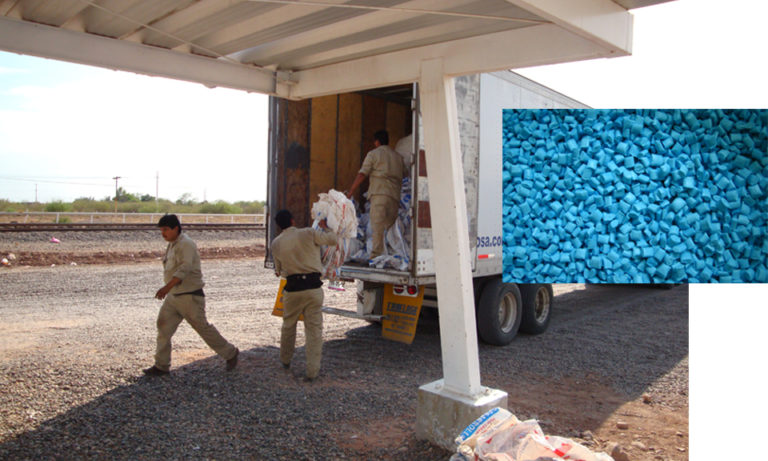
Based on the need to utilize thousands of used plastic feed bags rather than dispose of them, VIMIFOS began selling the bags to companies that reprocess them into pellets used to make plastic utensils.
Health & Welfare
The development of an effective biosecurity plan requires full understanding of facility design and operations, and knowledge of the animals’ health status and the transmission modes of pathogens in order to identify the risks and define meaningful measures.
Health & Welfare
Through a genetic selection program started in 2006, significant advances have been achieved in the development of a specific pathogen-free L. vannamei line in Brazil.
Health & Welfare
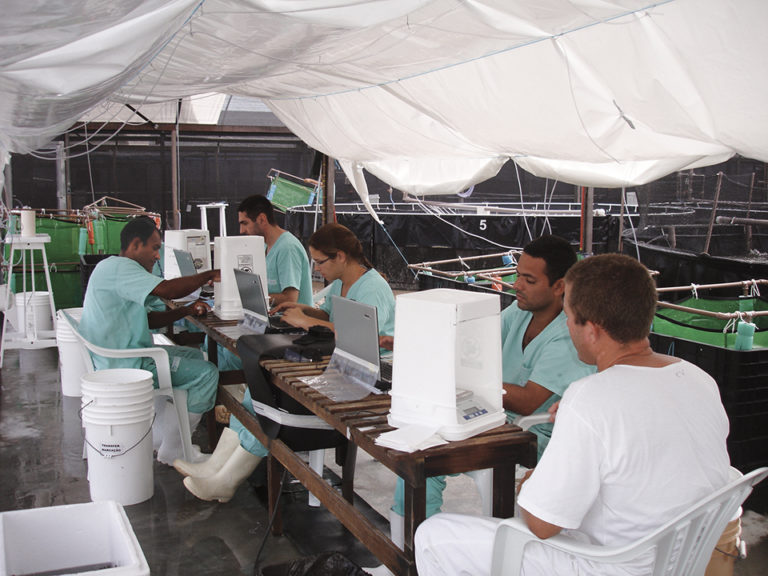
The largest shrimp hatchery in Mexico has implemented a two-stage selection program based on body weight at 28 days of age and and body weight at 130 days.
Health & Welfare
Separate family rearing can lead to tank-derived environmental effects that are statistically confounded with full-sib family genetic effects in shrimp breeding.
Health & Welfare
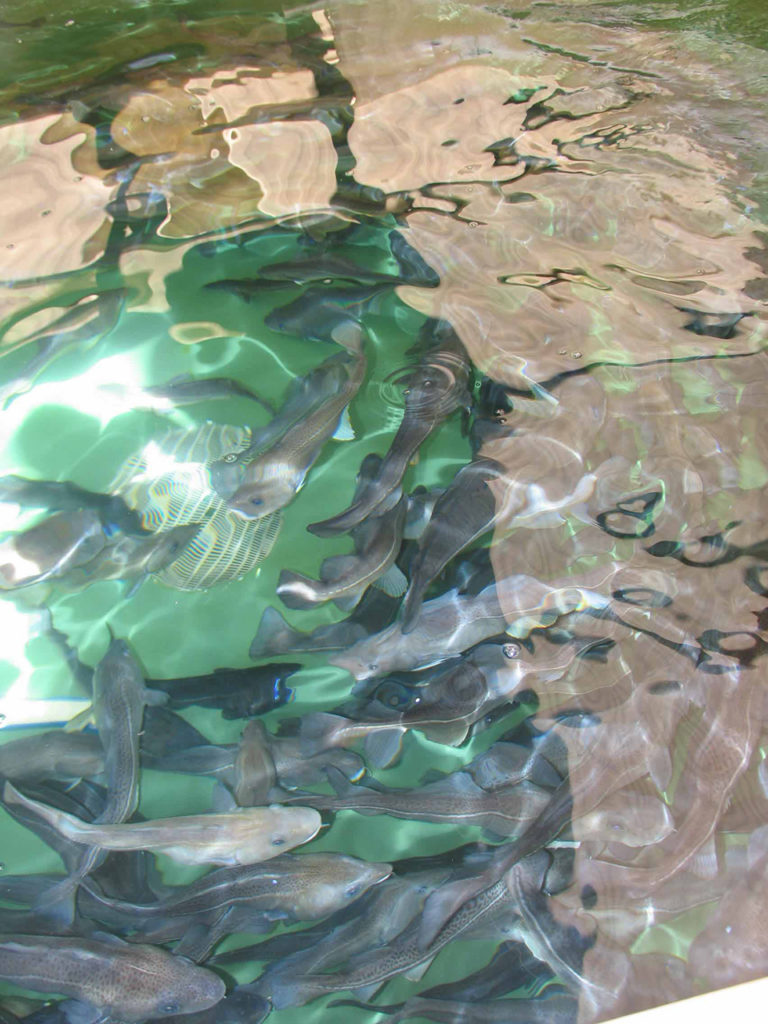
A whole genome sequence allows the identification of candidate genes responsible for production and performance traits for a given species. Ongoing genome projects include programs for Atlantic salmon, Atlantic cod, Pacific oysters, tilapia, catfish and shrimp.
Aquafeeds
Animal byproducts like blood meal, meat and bone meal and other rendered products are good sources of cholesterol for use in aquaculture feed.
Responsibility
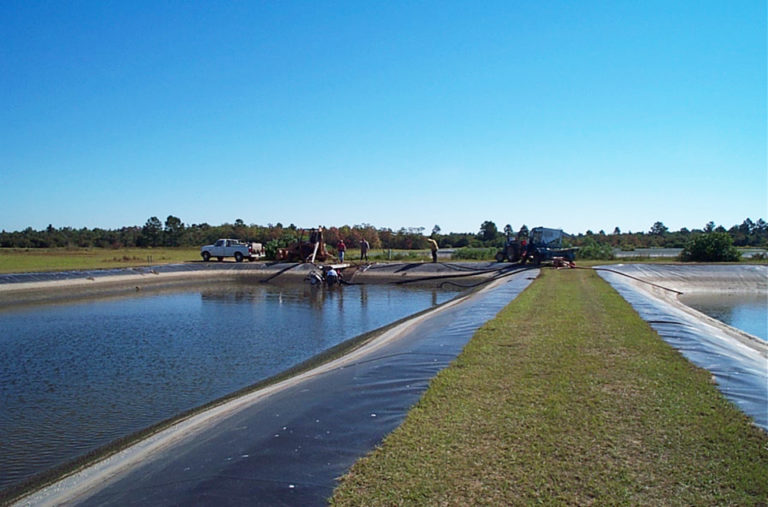
Various studies suggest that maintaining minimum daily dissolved oxygen concentrations above 3 mg/L in channel catfish and penaeid shrimp ponds assures better feed consumption and growth.
Responsibility
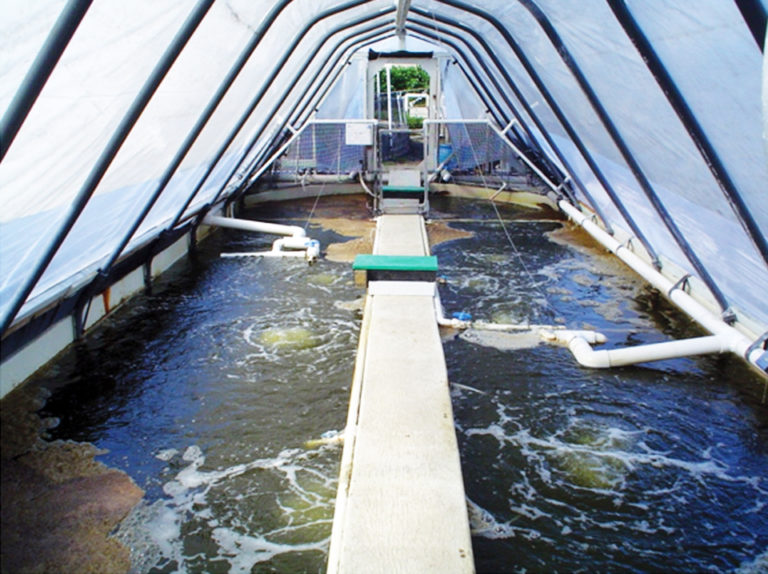
Recirculating systems, where probiotic, heterotrophic bacteria compete with pathogenic bacteria, can operate without antibiotics to produce tilapia and shrimp.
Health & Welfare
With its large quantities of water and little industry to pollute it, Guyana has the potential to become a greater player in global aquaculture.