
Fisheries
Study: Overfishing has halved shark and ray populations since 1970
Overfishing, bycatch, habitat loss and climate change have caused a 50 percent decline in shark and ray populations since 1970, study finds.


Fisheries
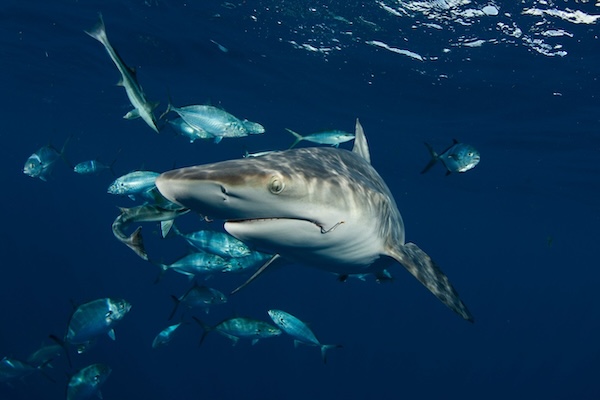
Tests show a simple zinc-and-graphite device can significantly reduce shark bycatch on longlines without affecting tuna or swordfish catches.
Fisheries
Overfishing, bycatch, habitat loss and climate change have caused a 50 percent decline in shark and ray populations since 1970, study finds.
Fisheries
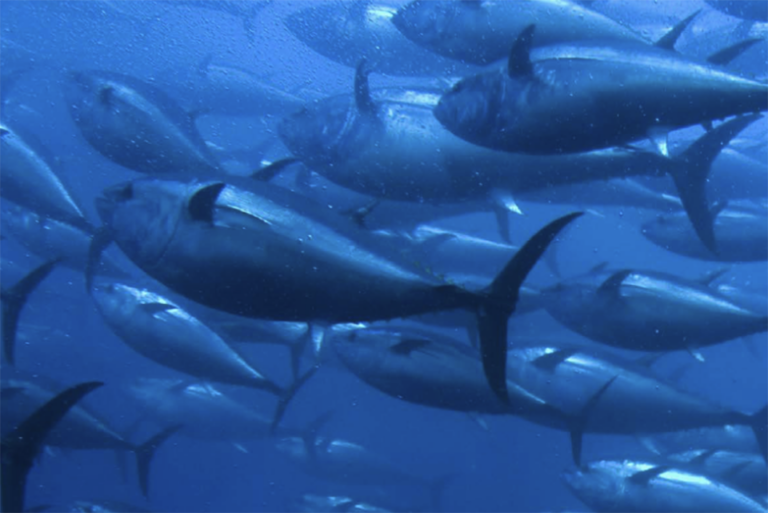
Sustainable Fisheries-UW: Better fisheries management requires enforcement of already-in-place limits, not new regulations that also go unenforced.

Responsibility
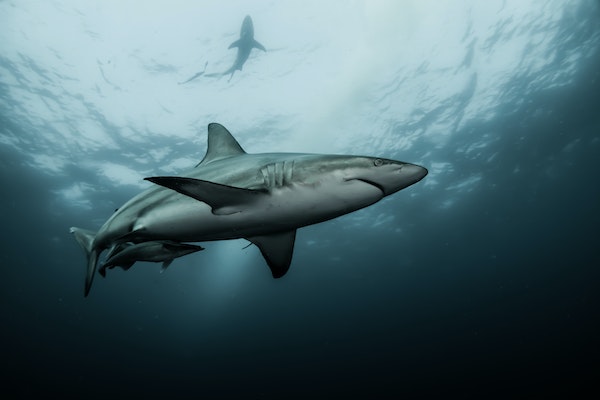
A science-based approach to shark conservation in Brazil’s Marine Protected Areas may curb "destructive proposals" including shark culling.
Fisheries
The extinction risk of sharks and rays can be significantly reduced with effective fisheries management and policies, says a Virginia Tech study.

Fisheries
Sustainable Fisheries UW offers a rundown of the IUCN Red List and how tunas and billfishes benefit from strong fisheries management.

Fisheries
Research shows that SharkGuard, an electric-pulsed device that attaches to longline fishing rigs, can significantly reduce shark bycatch.

Fisheries
New study suggests conservation and fisheries management help tunas and billfishes recover, but shark biodiversity continues to decline.
Fisheries
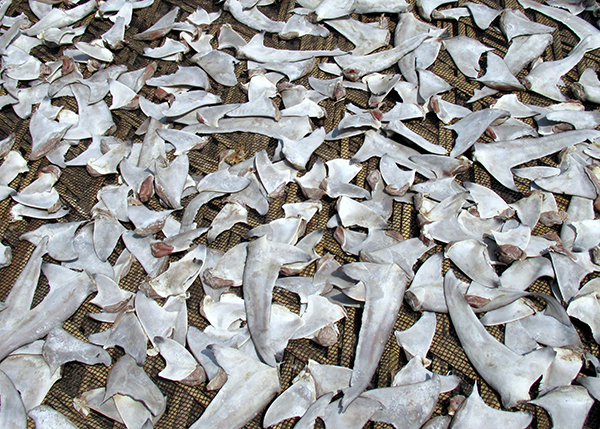
With sharks and rays critically endangered, the government of Bangladesh has amended legislation to reduce the extinction risk of the species.

Health & Welfare
Sharks are predators to warmwater aquaculture that are not stopped by traditional cage nets when they seek the fish contained inside.