Responsibility
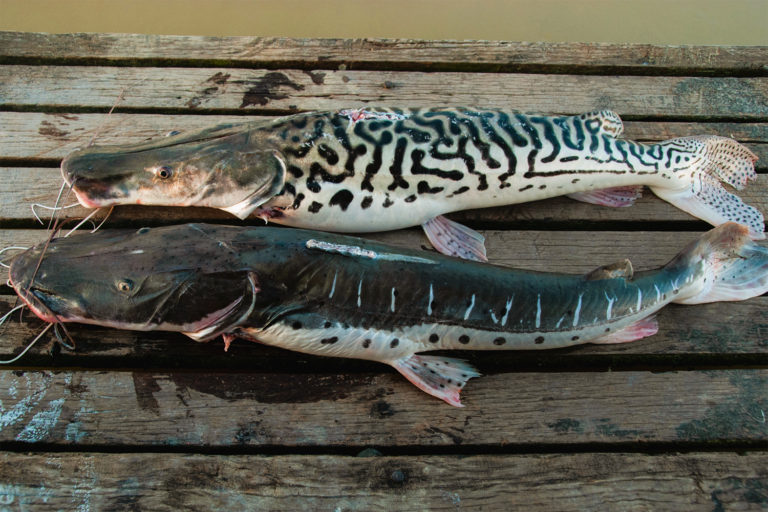
Study: Accessible Amazon fishes provide win-wins for conservation and public health
Findings suggest an opportunity to build awareness around the nutritional and conservation benefits of consuming resilient fish species.


Fisheries
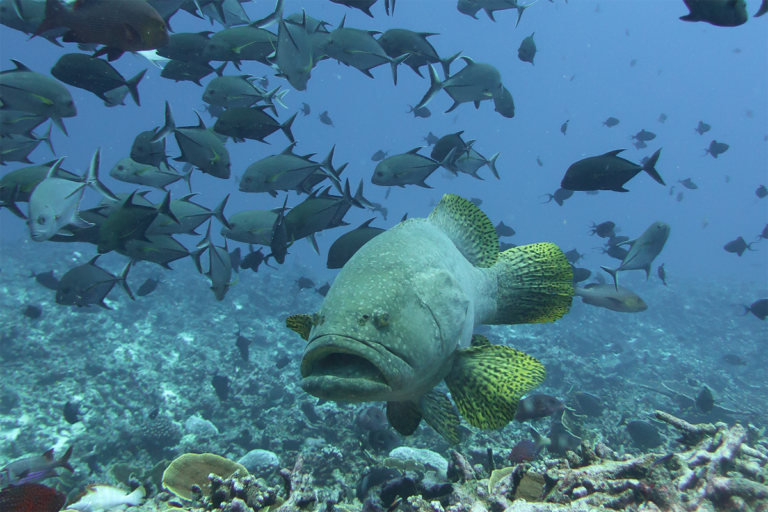
Fisheries allocation-optimization approach using biogeographic and nutrient data can identify the fish species each country should be consuming.
Responsibility
Findings suggest an opportunity to build awareness around the nutritional and conservation benefits of consuming resilient fish species.
Responsibility
An expert panel of scientists convened by CRC discussed driving the blue economy while improving seafood nutrition, accessibility and sustainability.

Responsibility
A University of Stirling scientist led a project that developed a tool to identify girls in developing countries at risk of nutritional deficiency.

Responsibility
Aquatic foods can help to deliver resilient global food systems and to support critical periods of human development, a new UN paper determines.
Health & Welfare
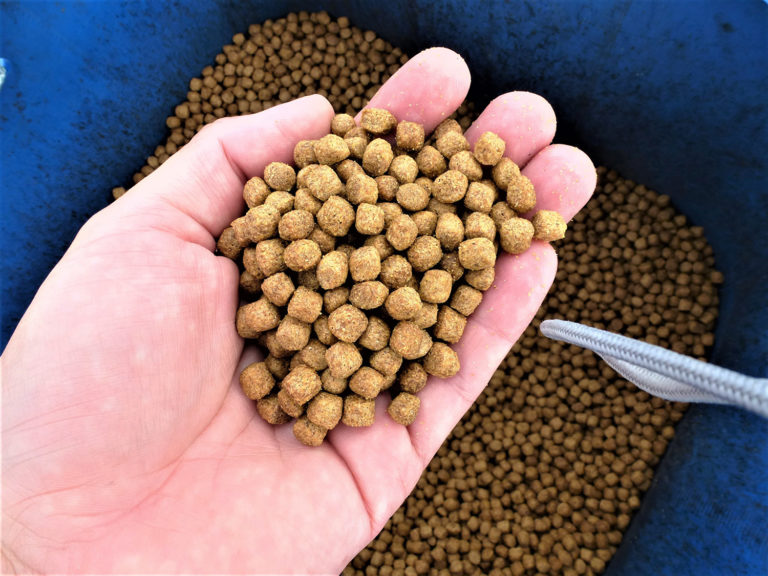
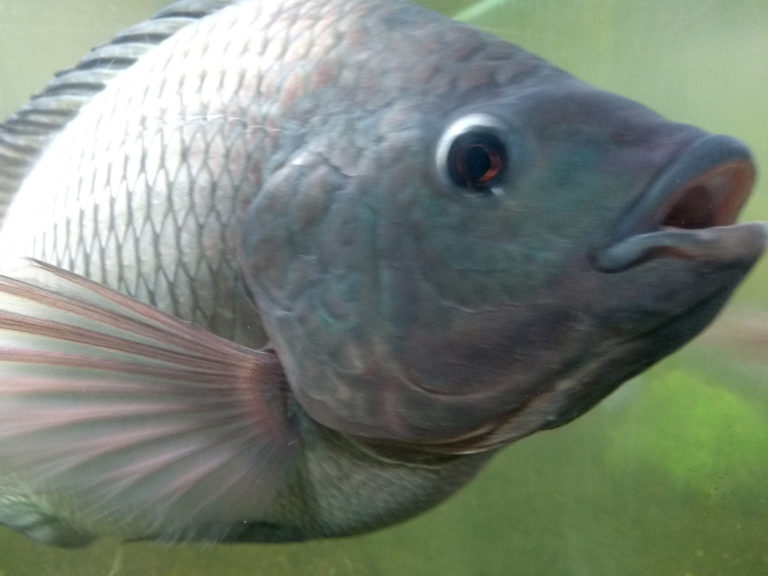
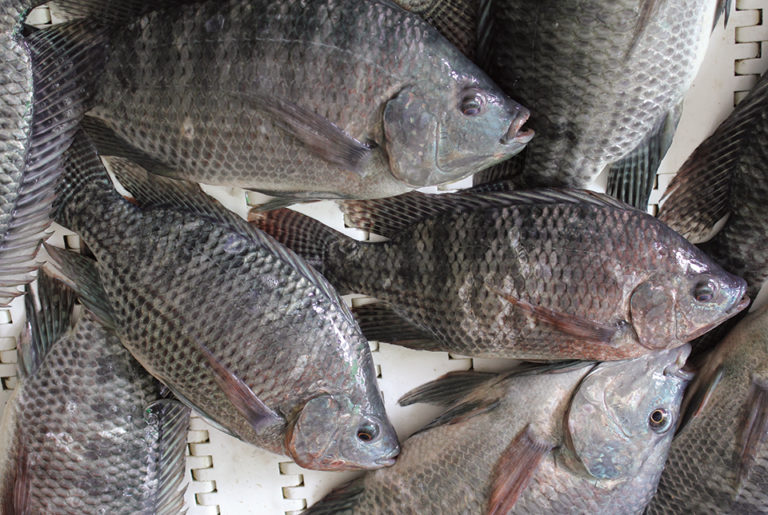
Nutrition has an important role on growth, performance and flesh quality of tilapia. Part two of this two-part series looks into mineral supplementation and feeding strategy.
Health & Welfare
This two-part review brings together scientific and field advances in tilapia nutrition and feeding to better support the formulation of feeds for better production performance.
Responsibility
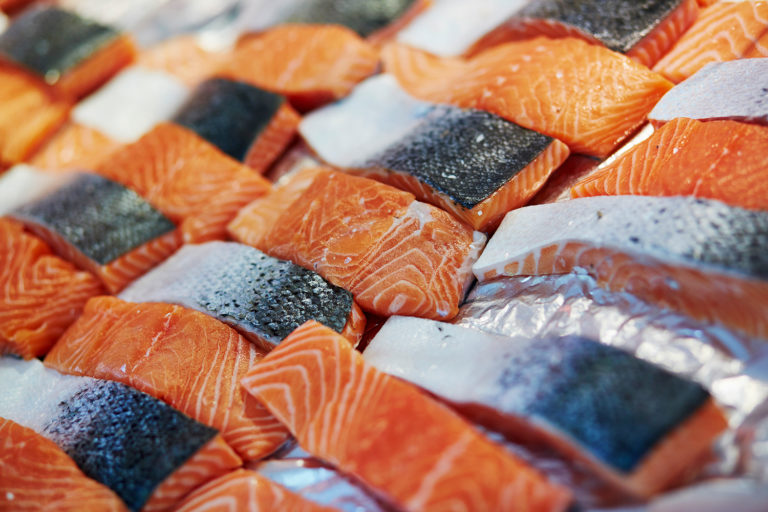
Salmon farms are quite different from terrestrial farms in providing both nutrition and calories. They produce stunningly more of both than their land-based counterparts.

Innovation & Investment
Hatch Aquaculture Accelerator aims to support new companies, via an immersive three-month mentorship program, in the health, nutrition, technology and production sectors.
Intelligence
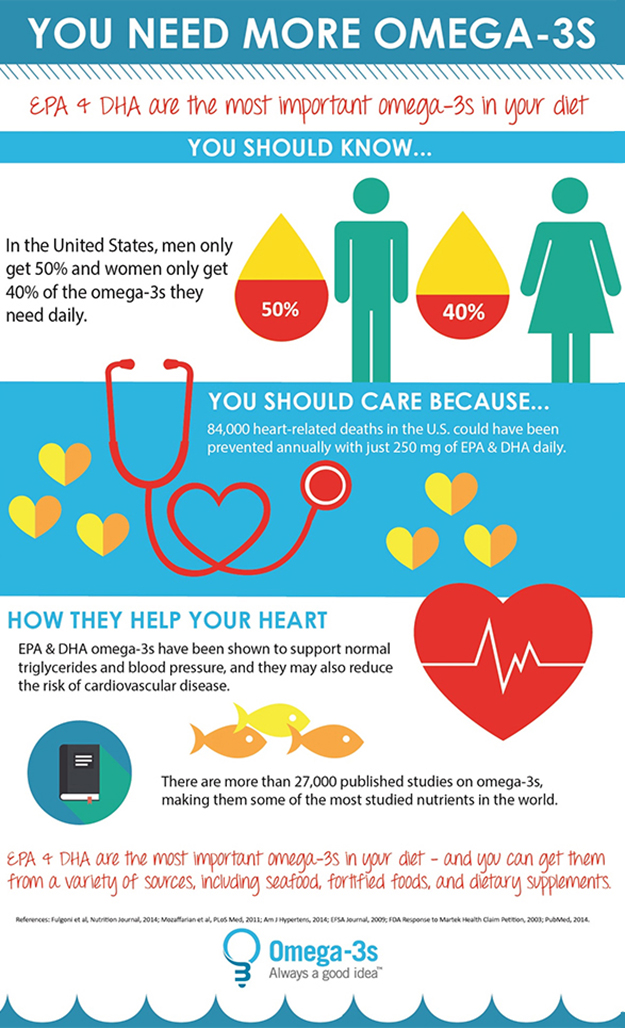
Are consumers fully aware of the health benefits of seafood? Many consumers do not act as if they are. It seems they do not have the information they need about the positive impacts the omega-3 fatty acids in seafood make on heart, brain and eye health. While fatty fish are especially good sources, any seafood is a better source of omega-3s than red meat. The need remains for clear communication and education about the health benefits, nutritional value and sources of omega-3s.
Aquafeeds
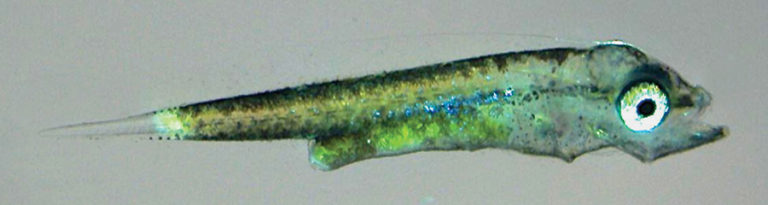
Liposomes, synthetic microparticles originally developed for the pharmaceutical industry, can be produced for ingestion by rotifers and artemia. A study found that yellowtail larvae fed rotifers enhanced with liposomes containing taurine had improved growth.
Intelligence
The Global Nutrition Report 2014 highlights that nutrition and food security is a concern in all countries, not just low-income ones. Urbanization and rising living standards are key drivers in the ongoing increases in seafood demand and fisheries development.

Health & Welfare
Investing in the quality of shrimp postlarvae by applying state-of-the-art hatchery management results in a significant return on investment. Nutrition and health protocols have large impacts on postlarvae quality that last beyond the early life stages.

Intelligence
The United States Food and Drug Administration has updated its advice for pregnant women on mercury and seafood with greater emphasis on the benefits of eating fish. This is a positive story, but reporting on the new perspective muddied its message with opinion and innuendo. Let us all find the way to continue to promote aquaculture’s healthy, renewable products in ways that keep the stories simple, so the messages are not lost on the journey to consumers.

Intelligence
Seafood production people have to bring on healthful new product innovations, and marketing people must promote them to consumers who favor taste over health benefits in food choices.
Health & Welfare
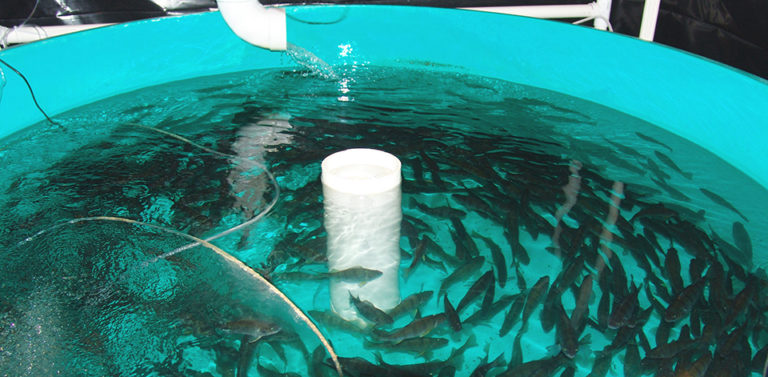
Probiotics can provide needed micronutrients that prime immune responses in larval fish, thus increasing their survival in culture. Probiotic dosing can be applied via immersion, microcosm approaches and enrichment of live and formulated feeds.