
Health & Welfare
Shrimp breeding for resistance to Taura Syndrome Virus
In response to Taura Syndrome Virus outbreaks, the U.S. Marine Shrimp Farming Program initiated a selective-breeding program to improve resistance in Pacific white shrimp.
Health & Welfare
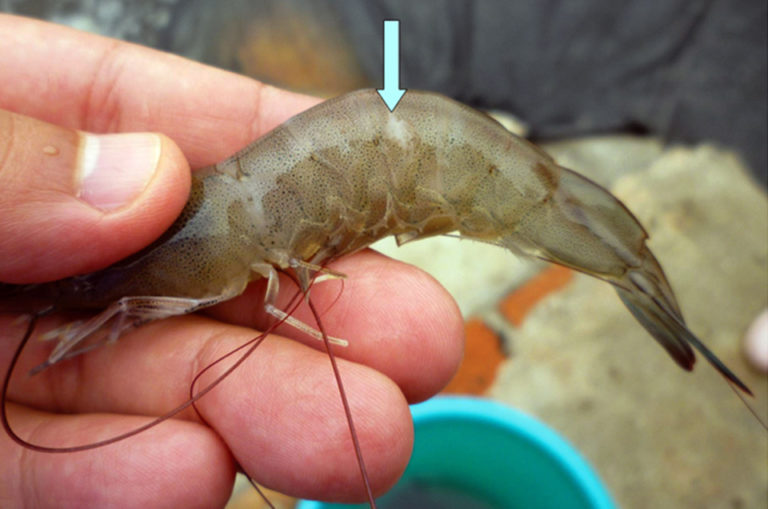
The authors have established a procedure to reduce the impacts of Taura Syndrome Virus in the culture of Pacific white shrimp. The procedure focuses on avoiding the molting process of shrimp by limiting culture conditions.
Health & Welfare
In response to Taura Syndrome Virus outbreaks, the U.S. Marine Shrimp Farming Program initiated a selective-breeding program to improve resistance in Pacific white shrimp.
Responsibility
Outside optimal salinity ranges, aquaculture species have higher feed-conversion ratios, grow at slower rates, become stressed and susceptible to disease, or even die.
Health & Welfare
The levels of carotenoids in commercial shrimp feeds are generally insufficient to reach the physiological levels needed for critical bioactive functions.
Aquafeeds
Knowledge of the fatty acid nutrition requirements in Pacific white shrimp, an economically important penaeid for shrimp farming in the Americas, is limited.
Health & Welfare
Panama shrimp farmers looking to boost production in the presence of White Spot Syndrome Virus have tried various strategies, including freshwater systems.
Health & Welfare
The biochemical characterization of wild female broodstock provides baseline data on the roles of lipids and vitamins in shrimp maturation.