Aquafeeds
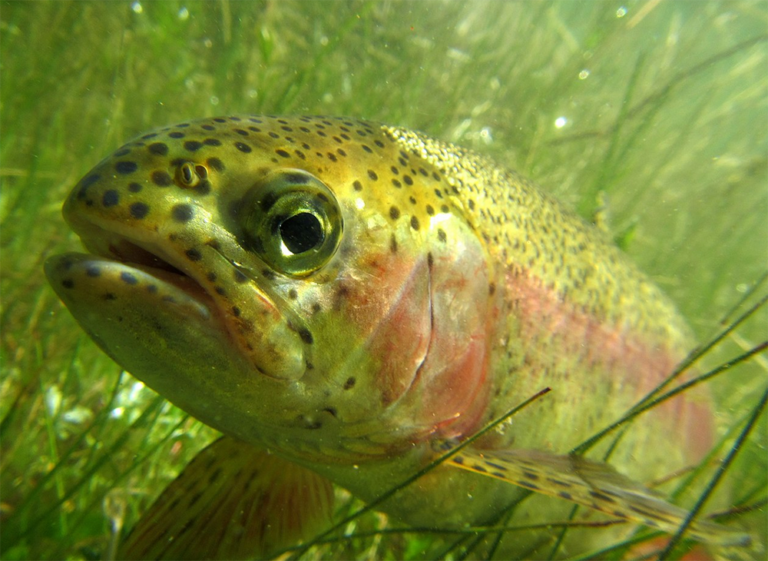
Long-term dietary replacement of fishmeal, fish oil in rainbow trout
This study evaluated the effects of replacing fishmeal and fish oil with a plant-based diet in juvenile and on-growing rainbow trout from first-feeding.


Aquafeeds
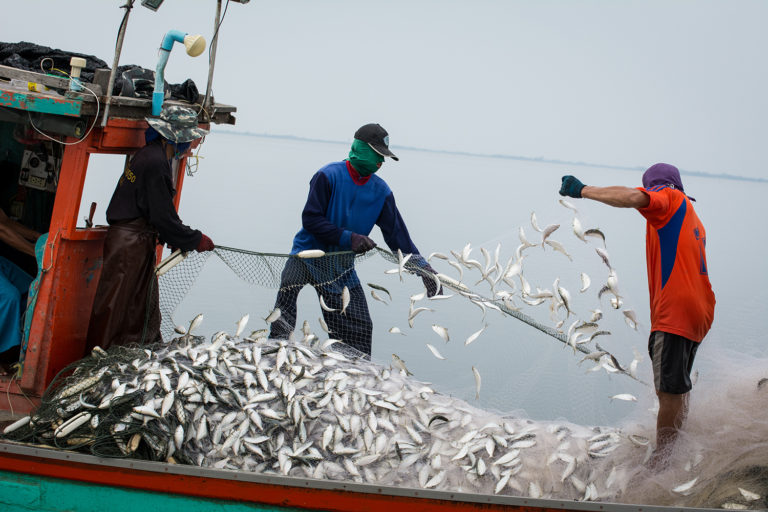
Fisheries improvements projects (FIPs) are an important mechanism for bettering South East Asian fisheries that supply into the aquafeed industry, a new report finds.
Aquafeeds
This study evaluated the effects of replacing fishmeal and fish oil with a plant-based diet in juvenile and on-growing rainbow trout from first-feeding.
Aquafeeds
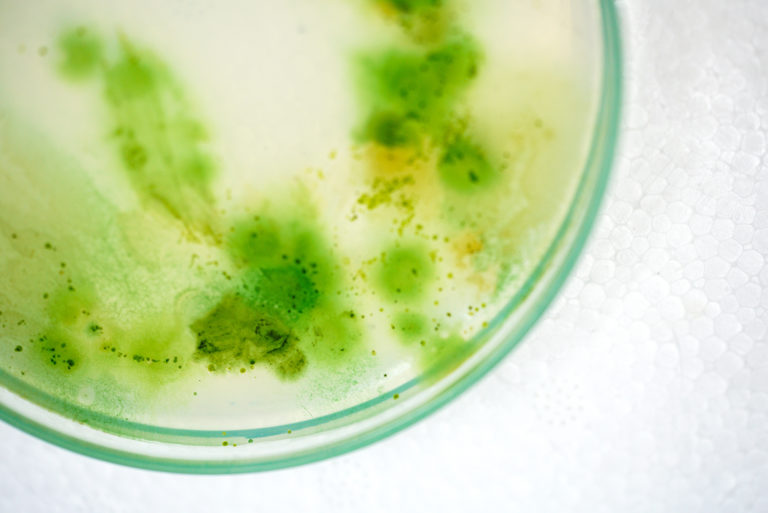
How can the interesting and valuable research on alternate feed ingredients get from the laboratory bench to consumers’ bellies through market mechanisms?
Aquafeeds
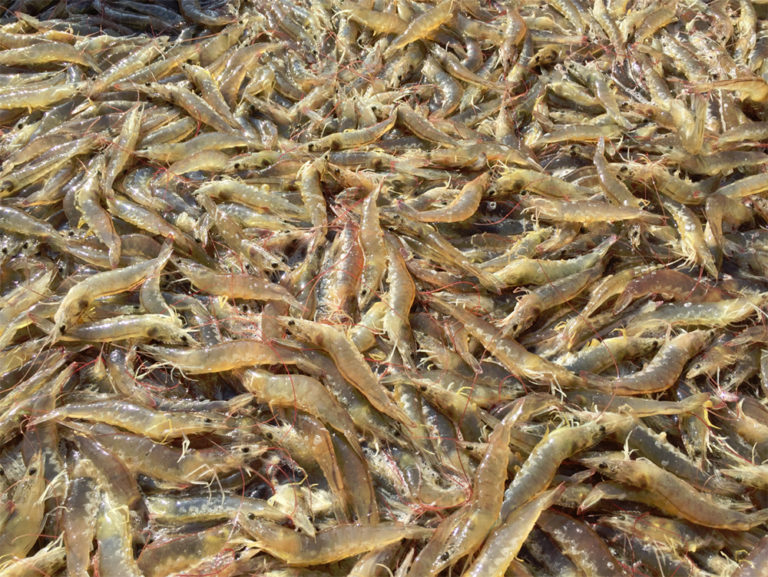
A shift towards crop-based ingredients in shrimp feeds reduces dependency on marine resources but places resource demands onto the land and could impact the nutritional value of shrimp.

Aquafeeds
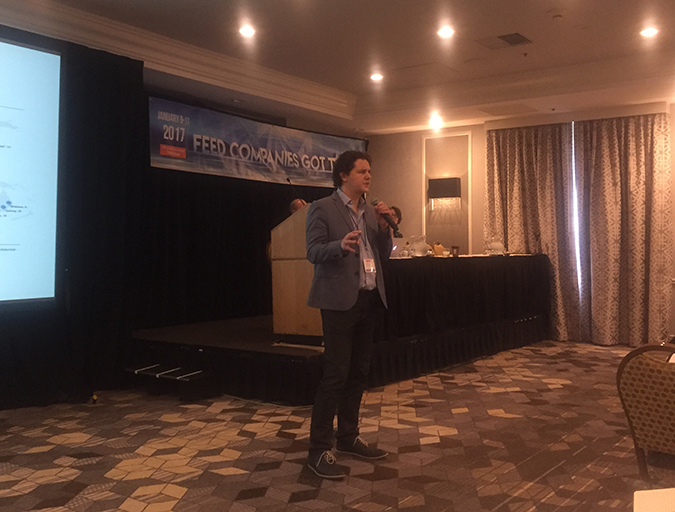
At the F3 (fish-free feed) Companies Got Talent event in Burlingame, Calif., last week, alternative (non-marine) aquafeed ingredient companies spoke of decoupling aquaculture from fishmeal and fish oil in their quest for greater sustainability.
Aquafeeds
A 15-week feeding trial evaluated the replacement of fishmeal with soybean products in the diet of advanced juvenile red drum.
Aquafeeds
Libby Woodhatch says responsible sourcing and safe raw material production is “vital” if fishmeal and fish oil are to remain credible aquafeed ingredients.
Aquafeeds
At the Barcelona Seafood Summit, an expert panel discussed a sustainable future for aquafeeds. What stands between us and that future?
Aquafeeds
The benefits of omega-3 fatty acids to human health are well known. Fish need them too. To supplement current supplies from wild-caught fish, one innovative venture is turning to the corn fields of Nebraska – yes, Nebraska – for answers.
Innovation & Investment
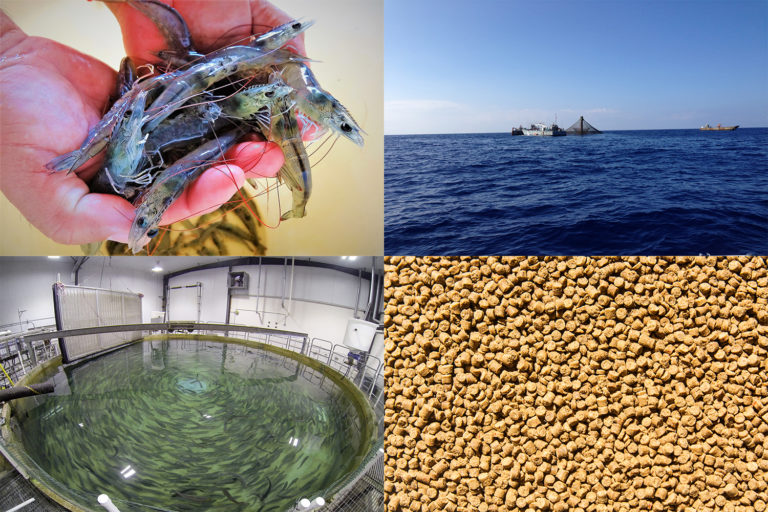
Aquaculture is the “winning protein,” according to a new Rabobank report that its author, Gorjan Nikolik, said is intended to draw the bank’s agro-industry clients to opportunities in the fish farming business.
Aquafeeds
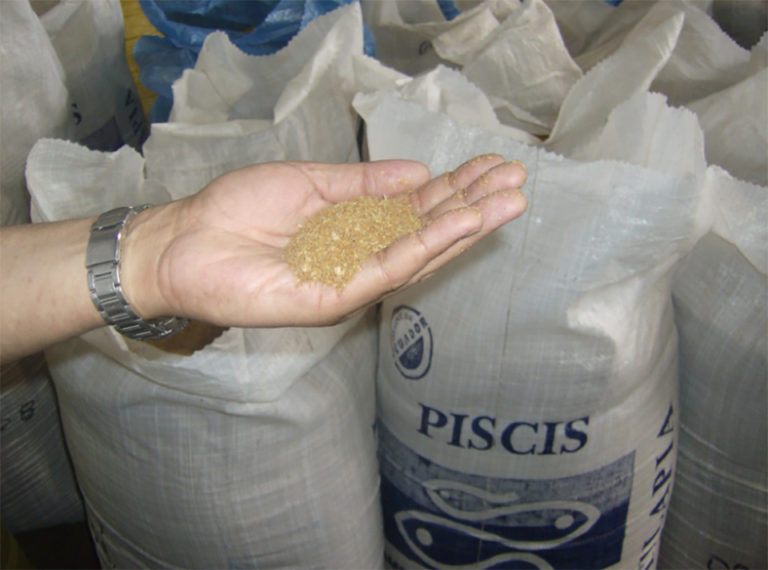
To position aquaculture for future growth, it needs tools to evaluate a growing spectrum of alternative ingredients and formulated diets designed to optimize fish health and efficient production.
Aquafeeds
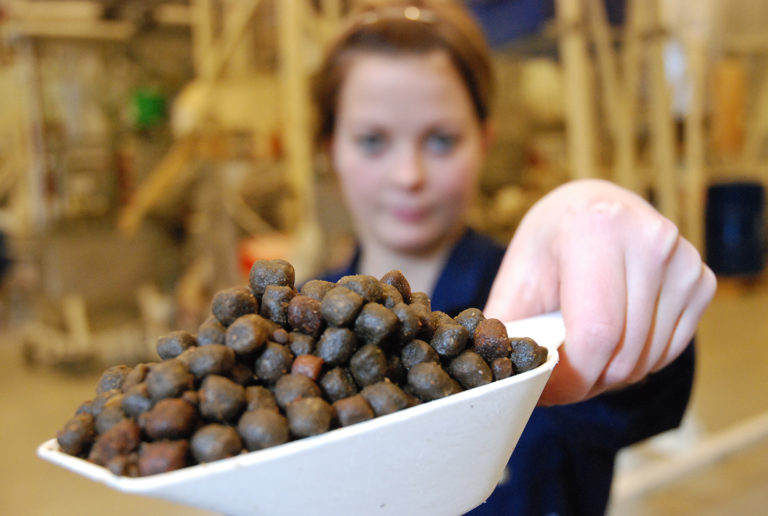
Formed in 2015, following Cargill’s acquisition of salmon feed specialist EWOS to complement its own warm-water aquaculture feed business, Cargill Aqua Nutrition produces feed for salmon, tilapia and shrimp in 20 countries around the world.
Aquafeeds
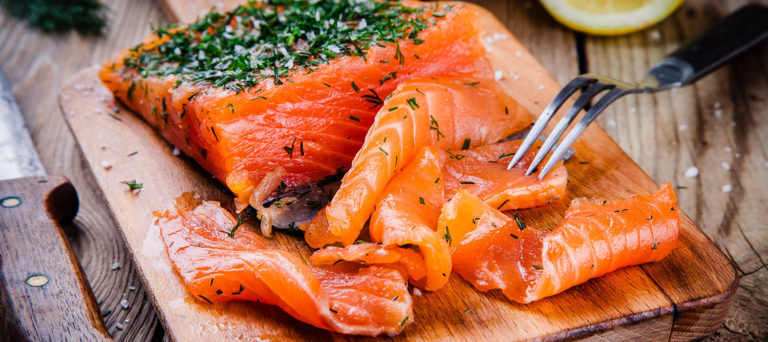
The latest Fish In:Fish Out (FIFO) ratios calculated by IFFO – The Marine Ingredients Organisation shows that every kilogram of wild fish utilized in aquafeeds results in a total of 4.55 kilos of farmed fish produced.
Aquafeeds
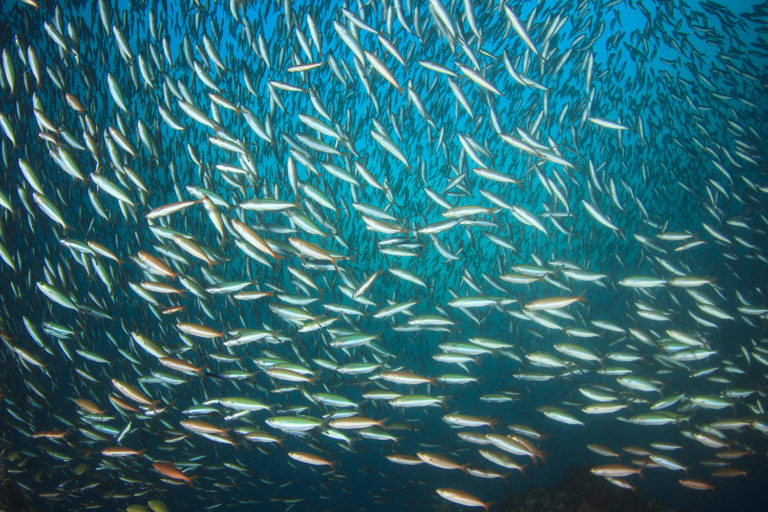
Fishmeal is still the most nutritious source of protein for aquaculture diets, having a wide range of essential amino acids and a high digestibility, while fish oil is still the only commercially available source of long chain omega-3 for aquaculture diets – both are the foundation of aquafeeds.

Responsibility
The SeaWeb Seafood Summit, held June 5-7 in Seattle, Wash., convenes seafood industry executives, non-governmental organizations (NGOs) and ocean advocates from all over the world.
Aquafeeds
Aquafeed manufacturers and alternative feed ingredient suppliers from all over the world gathered in Silicon Valley for F3, the Fish Free Feed contest. In the hub of innovation, solutions to a global problem were on full display.