


Study examines the positive and negative environmental impacts of using fishmeal alternatives in aquafeeds

A 20-year analysis shows cutting fishmeal reduced marine reliance but increased overall environmental impacts across EU aquaculture
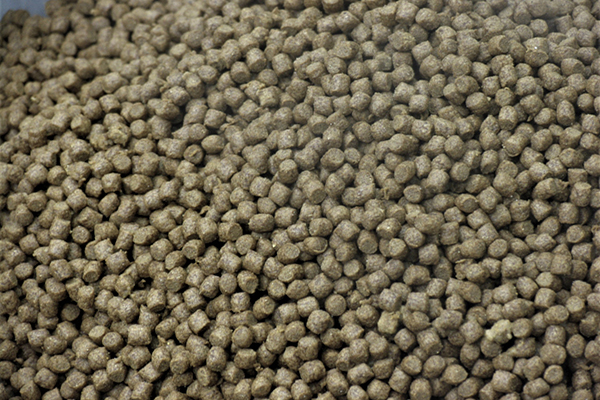
A recent study has found that changes in aquafeed composition over the past two decades have significantly reshaped the environmental footprint of European aquaculture, cutting reliance on wild fish while introducing new sustainability trade-offs.
The research, led by Björn Kok and Dr. Wesley Malcorps of the University of Stirling’s Institute of Aquaculture, shows that reduced inclusion of fishmeal and fish oil in feed has lowered dependence on marine resources. At the same time, the shift toward alternative ingredients has produced unintended environmental consequences, altering the overall footprint of farmed seafood production in Europe.
“Reducing dependence on marine resources has been treated as the main environmental sustainability goal in aquaculture,” said Kok. “However, if environmental sustainability assessments focus on a single headline metric, they risk telling an incomplete, and sometimes misleading, story. We need a comprehensive view on environmental sustainability.”
Between 2000 and 2020, European aquaculture reduced its overall use of wild-caught fish in feed by 13 percent, even as the sector nearly doubled in size – growth driven largely by the expansion of Atlantic salmon farming in Norway.

Despite the decline in the use of marine ingredients, the study found sharp increases in several environmental indicators. Over the same period, greenhouse gas (GHG) emissions rose by 314 percent, land use by 594 percent and water consumption by 236 percent. Marine eutrophication – the accumulation of excess nutrients that can trigger harmful algal blooms – increased by 630 percent, while freshwater eutrophication rose by 468 percent.
To better understand what was driving these changes, the researchers applied Index Decomposition Analysis, a method that separates the influence of different factors – including sector growth, efficiency gains and changes in feed ingredients – across specific aquaculture sub-sectors.
By isolating the effects of production expansion, improvements in efficiency and shifts in ingredient use, the team said the approach provides a clearer picture of how the industry’s footprint has evolved, intending to inform more sustainable decision-making across European aquaculture.
The study found that replacing marine ingredients with plant-based alternatives increased the environmental footprint of feed – largely due to soy protein concentrate and rapeseed oil, which carry relatively high impacts. Changes in farmed species and feed efficiency had little effect on the overall results.
Per kilogram of fish produced, wild fish use fell by 59 percent, but GHG emissions rose by 103 percent, land use by 336 percent and water use by 65 percent. Marine eutrophication increased by 285 percent and freshwater eutrophication by 167 percent, with impacts magnified when scaled across Europe’s aquaculture sector.
“We need to make better use of what we already have, such as fish processing by-products, which are rich in nutrients and have a low environmental footprint,” said Malcorps. “Novel ingredients show potential to support long term industry growth, but they still face challenges around inconsistent quality, limited supply and high costs. At their current stage of development and scale, they have yet to deliver the environmental sustainability performance many expected.”
The study was led by the University of Stirling, alongside partners Blue Food Performance Ltd, University of Zurich, and Utrecht University.
Now that you've reached the end of the article ...
… please consider supporting GSA’s mission to advance responsible seafood practices through education, advocacy and third-party assurances. The Advocate aims to document the evolution of responsible seafood practices and share the expansive knowledge of our vast network of contributors.
By becoming a Global Seafood Alliance member, you’re ensuring that all of the pre-competitive work we do through member benefits, resources and events can continue. Individual membership costs just $50 a year.
Not a GSA member? Join us.
Author

Related Posts
Aquafeeds
Industry-academia partnership to develop algae-based supplies of omega-3 fatty acids
Edinburgh Napier University and AlgiSys join forces to develop and scale up algae-based omega-3s as sustainable feed alternatives.
Aquafeeds
BioMar and Innovafeed to introduce insect protein to Ecuador’s shrimp feed industry
BioMar, Innovafeed and Auchan have announced the large-scale integration of insect protein into commercial shrimp feed in Ecuador.
Aquafeeds
Fishmeal and fish oil alternatives are here but a greater scale is needed for true impact
While salmon farmers are reducing fishmeal and fish oil usage, alternative ingredients are promising but supplies need scaling up, feed experts say.
Aquafeeds
F3 launches global challenge to drive alternative aquaculture feed innovation
F3 Fish Farm Challenge will award $200,000 to four farms showing the most progress rearing carnivorous finfish on fish-free aquaculture feed.