


Membertou First Nation to test Canada’s first electric boat in commercial lobster fishery

Indigenous-led project to test if electric boats can work commercially in Nova Scotia lobster fishery
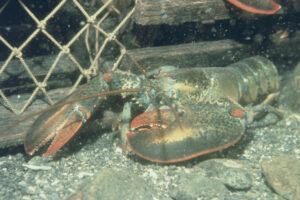
A new project led by Membertou First Nation in Nova Scotia will test whether electric boats can operate commercially in Canada’s lobster fishery, one of the country’s most valuable commercial fisheries. The initiative was announced as one of five ocean innovation projects selected by Canada’s Ocean Supercluster, representing a combined investment of $34.5 million.
“Membertou is incredibly proud to be moving forward with the development of Canada’s first electric fishing vessel,” said Terrance Paul, Chief and CEO of Membertou. “The electric boat is a natural next step in our drive to become clean energy leaders and will play an important role in unlocking the benefits of marine electrification for the next generation of fishers.”
The $4.4 million Membertou Electric Lobster Boat Commercial Demonstration Project, known as Lektrike’l Walipotl, will integrate electric propulsion systems and battery technology into a working lobster boat and evaluate its performance during commercial fishing operations. The project aims to assess reliability, efficiency and operating costs, comparing the electric vessel with traditional diesel-powered boats to determine whether electrification is a practical option for commercial fisheries.
“Membertou’s Electric Lobster Boat Commercial Demonstration Project is an important milestone in Canada’s journey toward sustainable marine shipping,” said Kendra MacDonald, CEO, Canada’s Ocean Supercluster. “By combining Indigenous leadership with clean technology innovation, we’re reducing emissions, creating new economic opportunities and positioning Canada as a global leader in marine electrification.”
![Ad for [BSP]](https://www.globalseafood.org/wp-content/uploads/2025/07/BSP_B2B_2025_1050x125.jpg)
The project is being carried out in partnership with Allswater Marine, Oceans North and BlueGrid, all based in Halifax. The total project value is $4.4 million, with $1.5 million provided by Canada’s Ocean Supercluster and the remaining funding contributed by project partners.
“This vessel isn’t just an electric fishing boat; it can be an energy storage asset for the grid,” said Andrew Boswell, CEO of BlueGrid. “We’re advancing bi-directional vessel-to-grid charging, which enables onboard batteries to support the local electrical grid during peak demand – a model that has the potential to integrate sustainable fishing with a green grid.”
According to project organizers, the initiative is intended to support Canada’s Net-Zero by 2050 objectives, build expertise in electric propulsion and sustainable vessel design, and create training and employment opportunities, including for Indigenous communities.
“Canada’s new government is driving economic growth through ocean innovation,” said the Honourable Sean Fraser, Minister of Justice and Attorney General of Canada, and Minister responsible for the Atlantic Canada Opportunities Agency. “Clean technologies, advanced marine solutions and cutting-edge research are creating opportunities that strengthen coastal communities and position Canada as a global leader in the sustainable ocean economy.”
Now that you've reached the end of the article ...
… please consider supporting GSA’s mission to advance responsible seafood practices through education, advocacy and third-party assurances. The Advocate aims to document the evolution of responsible seafood practices and share the expansive knowledge of our vast network of contributors.
By becoming a Global Seafood Alliance member, you’re ensuring that all of the pre-competitive work we do through member benefits, resources and events can continue. Individual membership costs just $50 a year.
Not a GSA member? Join us.
Author

Related Posts
Responsibility
Net-zero heroes: Hybrid and electric commercial fishing vessels set out to cut the industry’s carbon emissions
From electrified fishing fleets to hybrid wellboats, the seafood community is looking to decarbonize commercial fishing vessels and reduce carbon emissions.
Responsibility
Faroe Islands salmon producer onboard first transatlantic flight using eco-friendly jet fuel
Faroe Islands salmon producer Bakkafrost shipped cargo on the world's first transatlantic flight using a new eco-friendly jet fuel.
Responsibility
Aquaculture, feed companies embark on a carbon-cutting journey
The aquaculture value chain can significantly reduce carbon emissions with innovations in feed, transportation and operations.
Intelligence
Supercooling Norwegian salmon before transport could save industry millions
Supercooling Norwegian salmon could save the industry $150 million annually in transport costs, says a Nofima report.