


How lysolecithin impacts the growth, antioxidant capacity and lipid metabolism of Pacific white shrimp

Study results showed that a 0.1 percent addition of lysolecithin supported the best shrimp growth performance, and significantly improved lipid retention and apparent crude fat digestibility
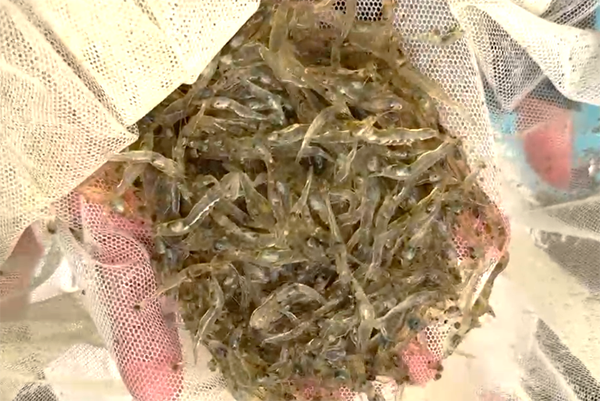
Soy lecithins are natural phospholipids obtained from soy and are widely used as nutritional supplements and emulsifiers in animal feeds.
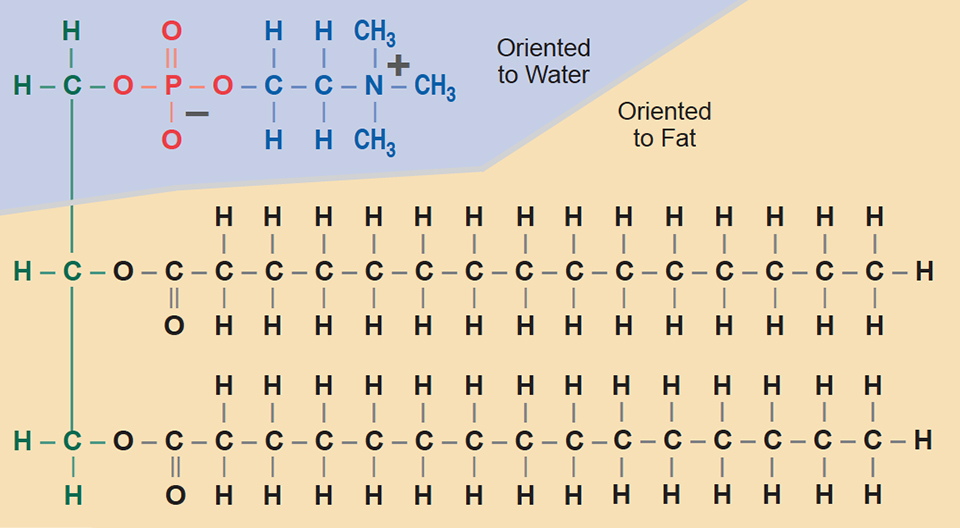
Lysolecithin is produced via the enzymatic hydrolysis of lecithin by phospholipase enzymes, exhibiting stronger emulsifying than conventional lecithin due to the removal of one fatty acid chain. Owing to the superior emulsifying stability and resistance to high temperature, lysolecithin can be used in lower quantities than lecithin.
Recent studies on lysolecithins in aquatic animals have demonstrated that lysolecithins can enhance aquatic animals’ growth, reduce the lipid demand of aquatic animals to improve the lipid utilization, modulate hepatic lipid metabolism as well as the antioxidant capacity of aquatic animals, and have positive effects on the health of aquatic animals. However, there is limited information regarding the effect of lysolecithin supplementation on L. vannamei in crustacean studies.
This article – summarized from the original publication (Wang, Y. et al. 2025. Effects of Lysolecithin on Growth Performance, Antioxidant Capacity, and Lipid Metabolism of Litopenaeus vannamei) – discusses a study that investigated the effects of lysolecithin on growth performance, nutrient digestibility, antioxidant capacity, hepatopancreas morphology, and lipid metabolism of L. vannamei.
![Ad for [BSP]](https://www.globalseafood.org/wp-content/uploads/2025/07/BSP_B2B_2025_1050x125.jpg)
The study evaluated the feasibility and optimal dosage of replacing 2 percent soybean lecithin with varying levels (0–2 percent) of soybean lysolecithin in the shrimp diet. By comprehensively evaluating these indicators, we aimed to determine both the feasibility and the optimal dosage of lysolecithin as a substitute for soybean lecithin in shrimp diets.
Mojave yucca extracts are a beneficial phytogenic aquafeed additive
For detailed information on the study setup, animal husbandry, experimental diets, and data collection and analysis, refer to the original publication.
Results and discussion
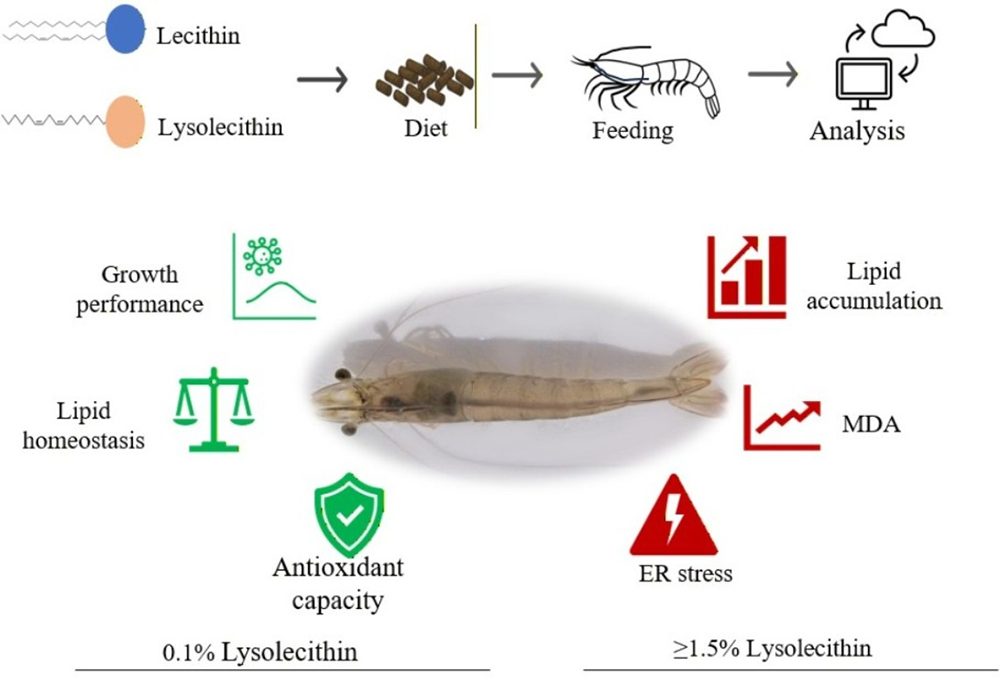
On the effects of growth performance of the shrimp, study results demonstrated that an increase in lysolecithin levels in the feed corresponded with a gradual stabilization of the lipid retention of L. vannamei. The supplementation of lysolecithin resulted in significantly higher digestibility of crude fat compared to the soy lecithin control group, suggesting that optimal dietary lysolecithin could improve fat utilization and obtain better growth of L. vannamei when substitute to 2 percent of soy lecithin in shrimp diets.
The analysis of the shrimp’s whole body and muscle showed that crude fat content in whole shrimp, muscle, and hepatopancreas of L. vannamei increased significantly with increasing levels of lysolecithin added to the diet, with crude fat significantly higher than that of the control group at 0.5–2 percent levels of lysolecithin supplemented. This contrasts with some published studies in fish and chicken that reported reduced or neutral effects. However, variations may stem from species-specific responses, emulsifier types, and dosages, and the present study results suggest that dietary lysolecithin can enhance lipid retention in shrimp tissues, potentially improving its nutritional quality.
Oxidative stress, characterized by an imbalance between the generation of reactive oxygen species (ROS) and the organism’s antioxidant defense mechanisms, represents a fundamental biological challenge encountered by nearly all aerobic organisms, ranging from microorganisms to humans. On the effects of dietary lysolecithins on antioxidant capacity of shrimp, this research found limited direct impact on various core antioxidant enzymes and their gene expression in the hepatopancreas, except at low doses reducing a lipid peroxidation marker, indicating lower oxidative damage. Overall, study results demonstrate the role of lysolecithin as a significant modulator of the highly conserved pathways involved in oxidative stress and cellular homeostasis. The findings indicate that lysolecithin enhances some antioxidant responses and alleviates certain physiological stresses, suggesting its potential to enhance stress resilience and metabolic health across a diverse array of organisms facing oxidative challenges.
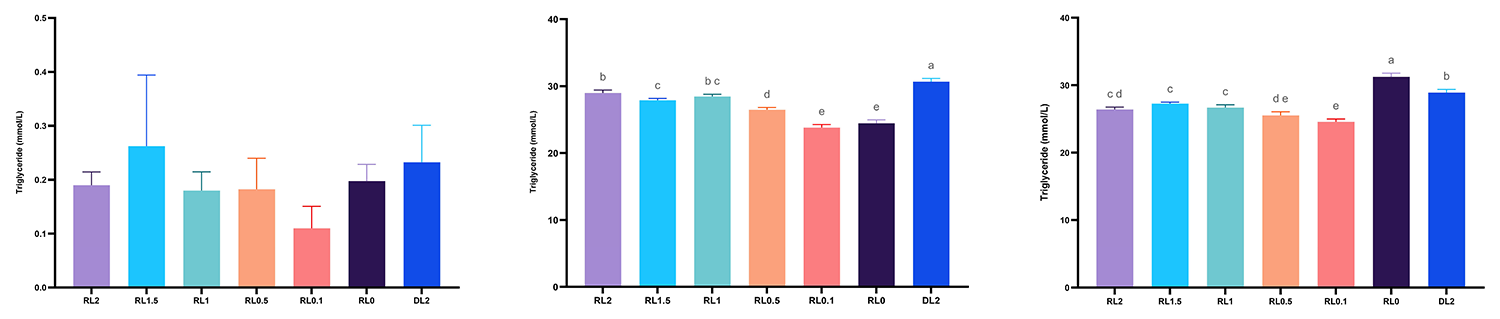
Regarding lipid metabolism in L. vannamei, dietary lysolecithin reduced triglyceride levels in the shrimp hemolymph, hepatopancreas, and muscle at an inclusion level of 0.1 percent, inferring decreased lipid accumulation via modulated metabolism. The experimental results revealed that supplemental 0.1 percent lysolecithin to the diet significantly diminished the hemolymph, hepatopancreas, and muscle triglyceride content in L. vannamei, and it was initially inferred that lysolecithin could reduce lipid accumulation by modulating lipid metabolism and signaling pathways. Overall, findings indicate that lysolecithin can modulate lipid metabolic pathways in L. vannamei by modifying enzyme activity and substrate accessibility. Understanding these mechanisms may facilitate the formulation of new dietary supplementation techniques to enhance lipid metabolism and prevent associated diseases.
On the effects of dietary lysolecithins on the hepatopancreas lipidomics (the large-scale study of pathways and networks of cellular lipids in biological systems), study results further confirmed that the addition of lyso phospholipids was beneficial to the maintenance of lipid homeostasis (state of steady internal physical and chemical conditions maintained by living systems) in L. vannamei. Lecithin plays an essential role in forming cell membranes and are crucial for numerous functions within the cell, contributing to the permeability barrier of cell membranes, providing the support matrix and surface for numerous catalytic processes, and participating in signaling in response to stimuli.
Our lipidomic analysis demonstrated a significant elevation in cholesterol content within the hepatopancreas of shrimp receiving diets supplemented with lysolecithin. This observation is particularly noteworthy given that cholesterol is a distinctive phospholipid predominantly localized in the mitochondria, where it plays a critical role in maintaining mitochondrial membrane architecture, facilitating electron transport chain function, and supporting energy production. Overall, these results suggest enhanced metabolic efficiency, stress resilience, and cellular protection.
Perspectives
This study found that a dietary addition of 0.1 percent lysolecithin to the feed of L. vannamei promoted the best growth performance, improved lipid retention and fat digestibility, as well as resistance to some types of stress, while increasing tissue levels of omega-3 fatty acids and promoting beneficial gene expression for lipid metabolism. The supplementation also protected hepatic tubules and maintained lipid homeostasis. Results indicate that 0.1 percent lysolecithin is optimal and can replace 2.0 percent lecithin in practical diets.
Lysolecithin’s emulsifying properties could help optimize low-cost feeds, improve fat digestibility, reduce oxidative stress from intensive farming, and enhance disease resistance in L. vannamei. By boosting metabolic efficiency and tissue quality, it may increase yields and reduce feed waste.
Now that you've reached the end of the article ...
… please consider supporting GSA’s mission to advance responsible seafood practices through education, advocacy and third-party assurances. The Advocate aims to document the evolution of responsible seafood practices and share the expansive knowledge of our vast network of contributors.
By becoming a Global Seafood Alliance member, you’re ensuring that all of the pre-competitive work we do through member benefits, resources and events can continue. Individual membership costs just $50 a year.
Not a GSA member? Join us.
Authors
-

Corresponding author
Key Laboratory of Aquatic Product Processing, Ministry of Agriculture and Rural Affairs, State Key Laboratory of Mariculture Biobreeding and Sustainable Goods, South China Sea Fisheries Research Institute, Chinese Academy of Fishery Sciences, Guangzhou 510300, China -
Key Laboratory of Aquatic Product Processing, Ministry of Agriculture and Rural Affairs, State Key Laboratory of Mariculture Biobreeding and Sustainable Goods, South China Sea Fisheries Research Institute, Chinese Academy of Fishery Sciences, Guangzhou 510300, China
-
Key Laboratory of Aquatic Product Processing, Ministry of Agriculture and Rural Affairs, State Key Laboratory of Mariculture Biobreeding and Sustainable Goods, South China Sea Fisheries Research Institute, Chinese Academy of Fishery Sciences, Guangzhou 510300, China
-
Key Laboratory of Aquatic Product Processing, Ministry of Agriculture and Rural Affairs, State Key Laboratory of Mariculture Biobreeding and Sustainable Goods, South China Sea Fisheries Research Institute, Chinese Academy of Fishery Sciences, Guangzhou 510300, China
-
Key Laboratory of Aquatic Product Processing, Ministry of Agriculture and Rural Affairs, State Key Laboratory of Mariculture Biobreeding and Sustainable Goods, South China Sea Fisheries Research Institute, Chinese Academy of Fishery Sciences, Guangzhou 510300, China
-
Key Laboratory of Aquatic Product Processing, Ministry of Agriculture and Rural Affairs, State Key Laboratory of Mariculture Biobreeding and Sustainable Goods, South China Sea Fisheries Research Institute, Chinese Academy of Fishery Sciences, Guangzhou 510300, China
-
Shenzhen Base of South China Sea Fisheries Research Institute, Chinese Academy of Fishery Sciences, Shenzhen 518121, China
Related Posts
Aquafeeds
Phospholipids in shrimp feeds
Phospholipids are compounds that combine a water-soluble phosphate group at one end with fat soluble fatty acids at the other.
Health & Welfare
Assessing effects of long-term pH stress to Pacific white shrimp juveniles
Evaluating the effects of chronic pH stress on juvenile Pacific white shrimp, study results suggest adverse affects on gut microbiota functions.
Health & Welfare
Effects of cold stress on hemolymph characteristics of Pacific white shrimp
Responses to enhance cold tolerance included regulating changes in genes, metabolites and amino acid and lipid metabolism to increase energy supply.
Health & Welfare
Linking water treatment practices and fish welfare
Quantification of fish behavior is complex and depends on the experimental setup and biomarkers applied. A simple method was tested to quantify locomotor behavior to evaluate the effects of simulated water treatment scenarios using peracetic acid.