


‘Floating scarecrow’ could help fishermen reduce seabird bycatch

Floating buoy and bird-scaring kite reduced seabird bycatch risk by about two-thirds in trials with fishermen off coast of Cornwall
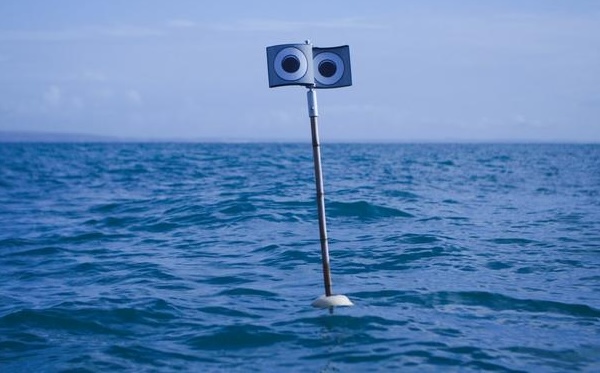
A floating “scarecrow” designed to keep seabirds away from fishing nets reduced the risk of guillemots and razorbills being caught by 59 percent in trials off the coast of Cornwall, according to a new study from the University of Exeter.
The device, known as a Looming Eye Buoy (LEB), has a spinning head with an animated eye effect designed to scare seabirds away from gillnets. Researchers tested it alongside a commercially available kite shaped like a bird of prey, which reduced the risk of the birds being caught by 71 percent.
Overall, both devices reduced the risk of guillemots and razorbills being caught in nets by about two-thirds, according to the study, which was published in Conservation Letters.
“This study provides some of the strongest evidence to date that simple, practical deterrents can substantially reduce seabird bycatch in gillnet fisheries,” said Tom Horton, lead author from the University of Exeter. “By also identifying when and where bycatch risk is highest, we now have a clear opportunity to target mitigation measures where they can deliver the greatest conservation benefit for vulnerable seabird populations and encourage sustainable fishing practices.”
![Ad for [BSP]](https://www.globalseafood.org/wp-content/uploads/2025/07/BSP_B2B_2025_1050x125.jpg)
An estimated 95,000 diving seabirds, including guillemots and razorbills, are incidentally caught and drown in gillnets around the coast of Europe each year, according to the researchers. Bycatch occurs when fishing gear unintentionally catches animals that fishermen are not targeting.
The findings come from a two-year trial led by Fishtek Marine involving 10 fishermen in Cornwall. Researchers fitted cameras to their boats to collect data on seabird bycatch and assess the deterrents’ effectiveness. Scientists at the University of Exeter analyzed the data.
Researchers also found that most seabirds caught during the Cornwall trials were caught in winter. The findings could help fishermen target the use of deterrents to times of year and locations where the risk of seabird bycatch is highest.
“These trials have been very encouraging and show that floating deterrents can make a real difference in protecting seabirds from getting caught in fishing gear,” said Tom Hooper, senior fisheries scientist at Fishtek Marine. “One of the most significant results of this study was showing how seabird bycatch was concentrated in key locations at specific times of the year. This means that deterrent efforts can be directed and efficient.”
The Looming Eye Buoy was developed through an eight-year collaboration between Fishtek Marine and the RSPB. The researchers also worked with participating fishermen to learn how the devices performed during fishing operations and how they could be improved.
“This technology means that fishing can continue while reducing the effects on seabirds,” said Tom Hooper. “However, any technology used at sea must be simple and robust, so working with fishermen means that we learned a great deal about how the devices were used, and as a result, we can refine and improve so that it fits their operational needs.”
The researchers said working with fishermen was important for understanding how the devices could be used effectively without interfering with fishing operations. Fishtek Marine said it plans to continue working with the fishing industry, the RSPB and the University of Exeter to further improve the devices.
Now that you've reached the end of the article ...
… please consider supporting GSA’s mission to advance responsible seafood practices through education, advocacy and third-party assurances. The Advocate aims to document the evolution of responsible seafood practices and share the expansive knowledge of our vast network of contributors.
By becoming a Global Seafood Alliance member, you’re ensuring that all of the pre-competitive work we do through member benefits, resources and events can continue. Individual membership costs just $50 a year.
Not a GSA member? Join us.
Author

Related Posts
Fisheries
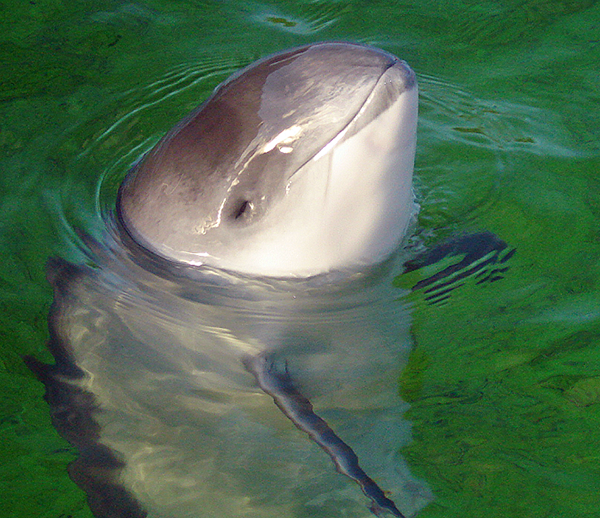
Study examines harbor porpoise behavior in a fishing gear entanglement
Knowing how harbor porpoises behave before and during entanglement can help mitigate bycatch and protect a vulnerable species in UK waters.
Fisheries
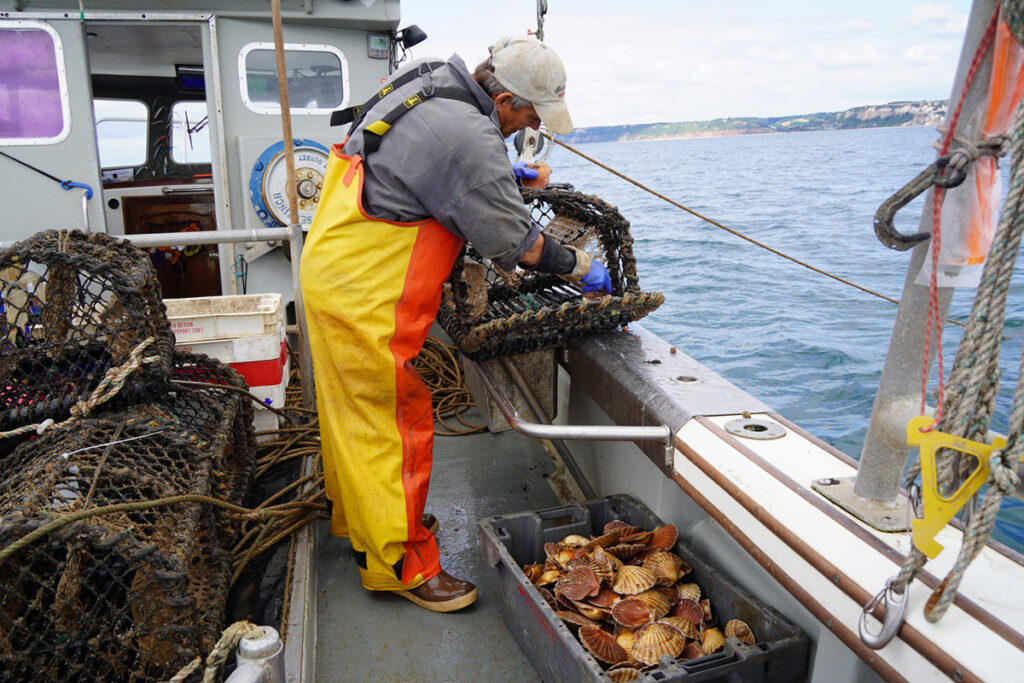
Beyond bait: Fisheries innovators use light, behavior and biology to reduce impact
Fisheries innovators are exploring “baitless” systems using visual stimuli, species-specific responses and gear design to draw in target species.

Fisheries
Illuminating the way: How light technology is reshaping fisheries
Fishing innovation is transitioning from bigger engines, stronger gear and more sophisticated electronics to something far more subtle: light.
Fisheries
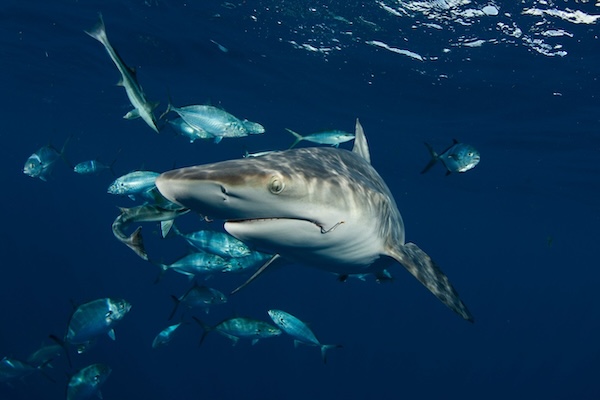
Can an electric-field device mitigate shark bycatch in commercial fisheries?
Tests show a simple zinc-and-graphite device can significantly reduce shark bycatch on longlines without affecting tuna or swordfish catches.