


F3 announces contestants for alternative aquaculture feed competition

Producers in Japan, China and the United States will compete, farming red sea bream, rainbow trout and largemouth bass
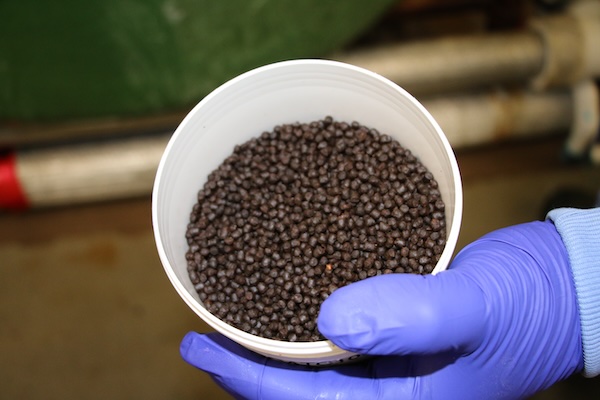
An international group of aquaculture producers has been selected to compete in the first phase of the F3 Fish Farm Challenge, a contest designed to demonstrate the viability of raising carnivorous fish on feeds made without marine-animal ingredients.
The challenge will feature farms producing red sea bream, rainbow trout and largemouth bass. Participants will compete for a $90,000 cash prize by raising fish on feeds that do not contain ingredients derived from wild-caught fish or krill.
The competition will run for 11 months, with the grand prize awarded to the farm that sells the greatest weight of eligible fish during that period. The challenge is designed to showcase the commercial production of carnivorous finfish raised on feeds that contain no marine animal ingredients, including fishmeal and fish oil.
Contestants include Japan’s Dainichi Corporation, which will compete with red sea bream; California-based McFarland Springs Trout, which raises rainbow trout on a vegetarian, non-GMO diet; and China’s Zhang Yi Farm, which produces largemouth bass.
![Ad for [BSP]](https://www.globalseafood.org/wp-content/uploads/2025/07/BSP_B2B_2025_1050x125.jpg)
“We are excited for a competitive race from this first cohort of aquaculture producers,” said Kevin Fitzsimmons, chair of F3-Future of Fish Feed and professor at the University of Arizona. “These farmers are proof that some of the world’s most sought-after fish can be commercially raised on 100 percent fish-free feed, demonstrating that investing in feed innovation now can build a more resilient path forward for the industry.”
F3 launches global challenge to drive alternative aquaculture feed innovation
The challenge comes as the aquaculture industry continues to seek alternatives to fishmeal, fish oil and other marine ingredients derived from wild-caught fisheries. While aquaculture now supplies more than half of the seafood consumed globally, many of the world’s most widely farmed carnivorous species still rely heavily on marine-based feeds.
A recent study cited by F3 estimated that aquaculture will require an additional 1.8 million metric tons of alternative feed ingredients annually to sustain future production growth under projected supply constraints.
The F3 Fish Farm Challenge also includes a four-year contest track for producers developing new feed and farming approaches, with registration open through April 30, 2028.
F3 – Future of Fish Feed is an industry-led initiative that promotes alternatives to marine ingredients in aquaculture feed to reduce reliance on wild fisheries while supporting growth in global seafood production.
Now that you've reached the end of the article ...
… please consider supporting GSA’s mission to advance responsible seafood practices through education, advocacy and third-party assurances. The Advocate aims to document the evolution of responsible seafood practices and share the expansive knowledge of our vast network of contributors.
By becoming a Global Seafood Alliance member, you’re ensuring that all of the pre-competitive work we do through member benefits, resources and events can continue. Individual membership costs just $50 a year.
Not a GSA member? Join us.
Author

Related Posts
From Our Sponsors
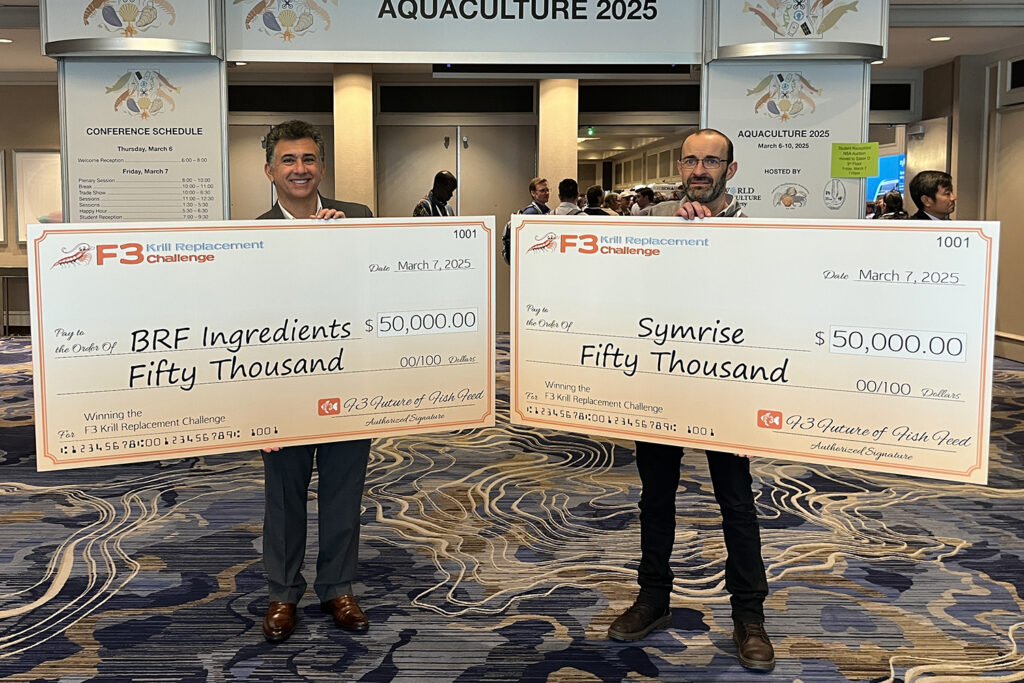
BRF Ingredients, Symrise awarded top performing krill replacements in F3 Challenge
Brazil's BRF Ingredients and Germany's Symrise won the F3 Krill Replacement Challenge for innovations in replacing krill in aquaculture feed.
Aquafeeds
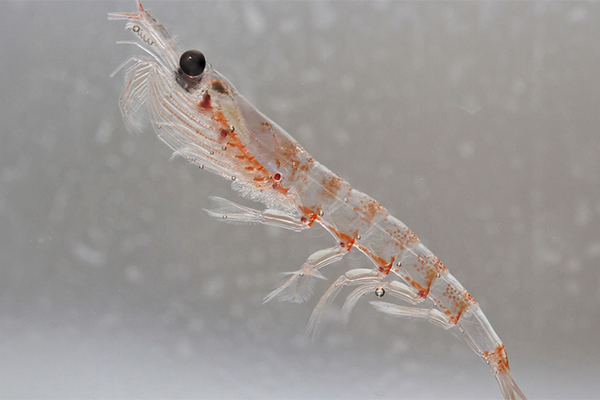
F3 launches new aquafeed challenge to identify top krill replacements
The F3 Krill Replacement Challenge will find krill replacements that result in good growth, feed conversion and survival for Atlantic salmon.
Responsibility
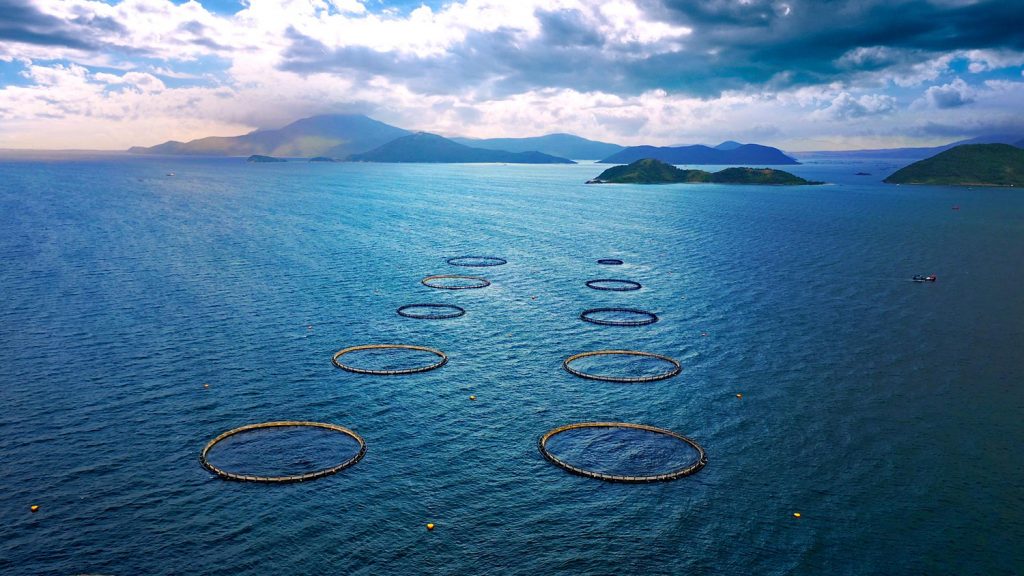
Does aquaculture really need a heat-tolerant salmon to adapt to rising ocean temperatures?
With rising ocean temperatures, are efforts to breed a heat-resistant salmon a race against nature? Or does the ideal fish for tropical aquaculture already exist?

Aquafeeds
Biotech entrepreneurs: The need to scale up and adopt novel aquafeed ingredients is urgent
Assembled by F3, the Future of Fish Feed, biotech entrepreneurs gave updates on the scale-up and adoption processes for novel aquafeed ingredients.