


Cermaq Canada completes first salmon cycle with zero sea lice treatments

Cermaq Canada credits Ahousaht First Nation partnership for driving innovations that cut sea lice treatments and lowered lice levels
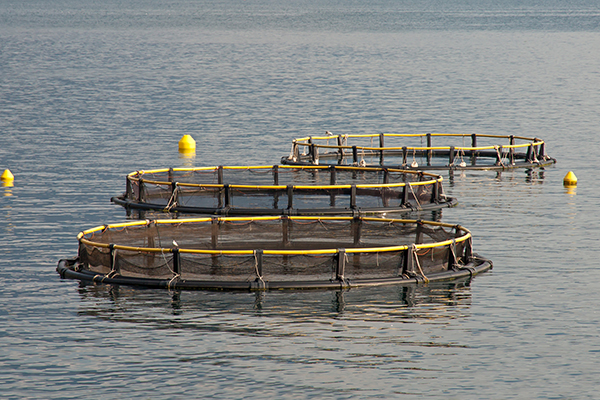
Cermaq Canada has completed its first full production cycle of farmed salmon in Ahousaht Territory without using mechanical treatments to control sea lice – a milestone that industry and Indigenous partners say reflects years of joint work to improve fish health management.
In 2022, the company conducted 56 mechanical delousing treatments across its operations to maintain an annual average lice level of 1.93. Over the past 12 months, by contrast, it carried out no treatments while reducing the sea lice level to 0.30.
Cermaq Canada attributed the decline to a combination of technologies implemented across its marine farming operations and to management practices developed in collaboration with the Ahousaht First Nation. The results, shared by Cermaq Canada, the Ahousaht First Nation and the Maaqutusiis Hahoulthee Stewardship Society (MHSS), mark a significant shift in lice control practices within British Columbia’s salmon farming sector.
“This phenomenal result has been the culmination of joint efforts of MHSS and Cermaq Canada to first identify a clear goal that respected the Ahousaht First Nation’s knowledge of their lands and waters and what would be required of our company to operate within their Hahulli,” said David Kiemele, Managing Director, Cermaq Canada. “Second, the ability of our incredible team at Cermaq Canada to make that goal a reality through world-leading innovative technologies and practices that were fit for purpose across our sites in Ahousaht Territory.”
![Ad for [membership]](https://www.globalseafood.org/wp-content/uploads/2025/07/membership_web2025_1050x125.gif)
Canada’s Department of Fisheries and Oceans (DFO) regulations require farm operators to maintain sea lice counts below 2.8 motile lice per fish during the outmigration period, when juvenile wild salmon leave freshwater systems. For the remainder of the year, if sea lice levels exceed that threshold, operators must notify the department and submit a mitigation plan.
In Ahousaht Territory, Cermaq Canada operates under a protocol agreement with the Ahousaht First Nation. That agreement sets lower thresholds: a maximum of 1.5 motile lice during outmigration and 2.5 lice at other times of the year. Those standards framed the conditions under which Cermaq completed its most recent production cycle.
“When First Nations leadership is central to resource business decision making, the result is beneficial to all involved – especially the long-term health and prosperity of our traditional waters in this case,” said Richard George, Hasheukumiss, Ahousaht. “This success in farm management under a strict and comprehensive protocol agreement with the Rightsholder Nation is a true example of what can be achieved when aquaculture operations advance in the context of local communities, local ecosystems, traditional ecological knowledge, while incorporating modern science and innovation that is purposeful and effective.”
Cermaq Canada has 12 active marine farm sites in Ahousaht Territory, supported by three land-based hatchery and broodstock facilities and employs approximately 215 people in British Columbia.
Now that you've reached the end of the article ...
… please consider supporting GSA’s mission to advance responsible seafood practices through education, advocacy and third-party assurances. The Advocate aims to document the evolution of responsible seafood practices and share the expansive knowledge of our vast network of contributors.
By becoming a Global Seafood Alliance member, you’re ensuring that all of the pre-competitive work we do through member benefits, resources and events can continue. Individual membership costs just $50 a year.
Not a GSA member? Join us.
Author

Related Posts

Intelligence
First Nations-led artificial intelligence technology holds promise for salmon recovery
New artificial intelligence monitoring tool is "remarkably adept" at identifying and counting fish species.
Responsibility
Some First Nations are asserting their right to farm salmon, despite pending government closures
With salmon farm closures imminent, some First Nations are taking action to preserve ocean-based farming and assert Indigenous sovereignty.
Responsibility
Cermaq Canada and Ahousaht Nation renew five-year salmon farming protocol
Cermaq Canada and Ahousaht First Nation have renewed a five-year protocol to guide salmon farming practices on the west coast of Vancouver Island, British Columbia.
Intelligence
Eight-year study finds no clear link with B.C. salmon farms and sea lice
Study finds no consistent drop in sea lice on wild salmon after B.C. closures, challenging claims about aquaculture impacts.