
Study reveals dried fish’s vital role in nutrition and food security across Africa
Dried fish can provide key nutrients for millions across Africa, reducing malnutrition and improving food security, researchers say.



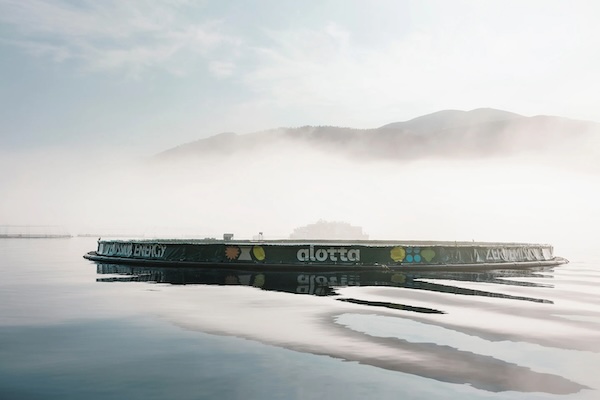
A 15-year energy deal brings floating solar panels to Chile’s salmon farms to reduce diesel use and advance best aquaculture practices.
Dried fish can provide key nutrients for millions across Africa, reducing malnutrition and improving food security, researchers say.

Responsible shrimp farming paired with mangrove restoration can boost yields, protect coasts and support sustainable livelihoods.

Key aquaculture species and commercially valuable plants can enable constructed wetlands to improve water recycling and agricultural production.

Warming Arctic rivers put Chinook salmon at risk, raising food security concerns for Indigenous communities in Alaska and the Yukon.

Peru’s Fisheries Association for Human Consumption promotes anchoveta consumption to aid food security, health and artisanal fishers’ livelihoods.

Fisheries and aquaculture groups urge European Commission to adopt a blue foods action plan to address production and food security risks.

FAU’s mobile hatcheries help restore queen conch, protect Caribbean ecosystems and support local communities through sustainable aquaculture.

Integrating microalgae cultivation with aquaculture allows the utilization of aquaculture wastewater to produce valuable bio-based products.

The Philippines has designated the Bitaug MPA, protecting marine life and supporting local livelihoods through community management.
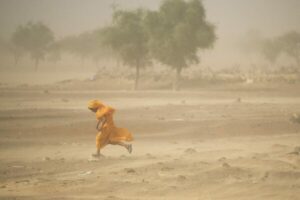
Scientists say sustainable seafood, less food waste and land restoration can boost food security and protect biodiversity.
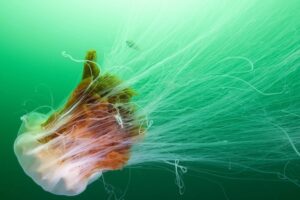
A survey commissioned by Mowi documents thriving marine life around its salmon farm at Loch Hourn, highlighting local biodiversity.
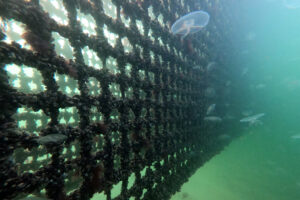
Researchers say mussels and iron sulfide enhancement on fish farms and could sequester hundreds of millions of tons of carbon dioxide.
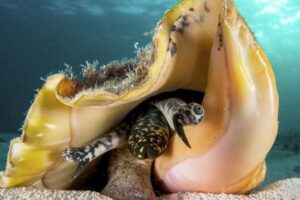
New Bahamas project to restore queen conch will grow 2,000 juveniles yearly and train locals in sustainable fishing and conservation.
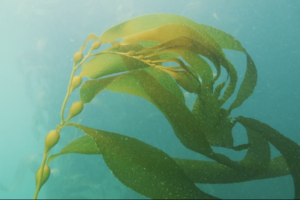
Researchers in New Zealand use environmental DNA to track carbon from giant kelp and assess its potential for carbon sequestration and climate solutions.
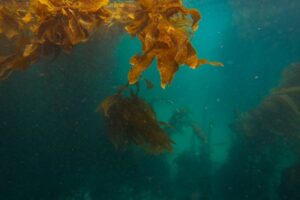
Wild seaweed must be protected like coral reefs, scientists argue, citing its role in climate, food security and ocean ecosystem health.