
Velella project pioneers open ocean cage-farming technology
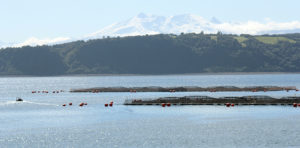
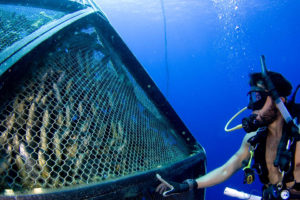
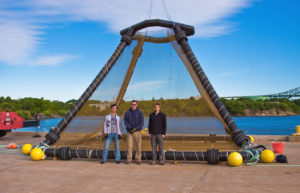
The Velella Project examined the technical viability of unanchored open-ocean fish farming by deploying a submerged net pen off Hawaii.
With aquaculture insurance, producers can substitute an insurance premium of a known cost for an unknown potential cost, the loss of stock.
The Velella Project examined the technical viability of unanchored open-ocean fish farming by deploying a submerged net pen off Hawaii.
The use of copper alloy nets in marine aquaculture shows promise in improving biofouling resistance and net chamber volume integrity, reducing maintenance costs, and preventing fish escapement and loss due to predation.
Of Susan Chamberlain many wonderful traits – in particular her kindness, generosity and trustworthiness – her dedication helped the Global Aquaculture Alliance endure.
Expansion of the Bribie Island Research Centre allows agencies to tackle multidisciplinary research tasks to help the Australian aquaculture industry.
As aquaculture grows, the industry will need tailored insurance solutions that address the realities of varied production methods and locations.
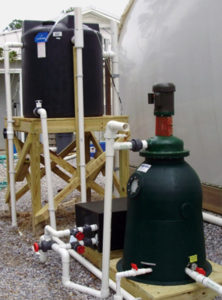
Mini-boutique systems offer a low-cost introduction to recirculating aquaculture that combines fry, fingerling and grow-out phases within a single engineering unit designed for modest stocking densities.
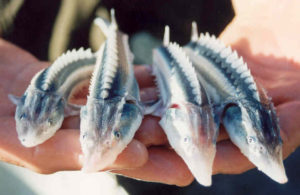
Research with sturgeon and carp species indicated that encapsulated artemia has high potential to carry probiotics or other beneficial microorganisms.
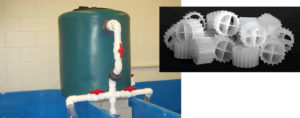
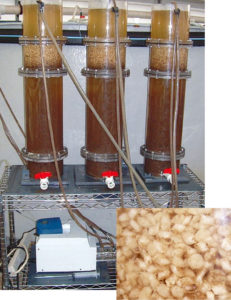
Despite their relatively small footprint, low-space bioreactors deliver sustainable and cost-effective biological wastewater treatment, particularly in recirculating aquaculture systems, where ammonia removal is critical.
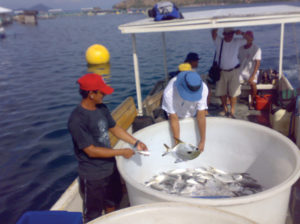
The Soy-In-Aquaculture project in the Philippines has introduced low-volume, high-density cage culture production methodology for use with high-value marine species. The technology was developed to maximize farmers’ profits, improve productivity, reduce feed-conversion ratios and limit environmental degradation.
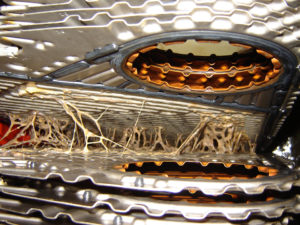
Increasing the heat recovery efficiency of a system can save both capital and operational costs. Contain water and keep exchangers clean.
Polyhydroxyalkanotes, or PHA, biodegradable biopolymers produced from sugar fermentation, offer a potential low-maintenance denitrification method for RAS.
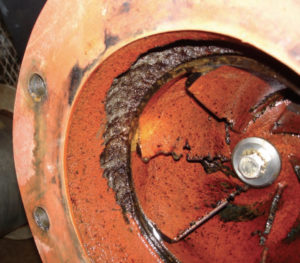
Cavitation occurs in a centrifugal pump when the effects of low internal water pressure lead to impeller damage. Proper design and installation of pumping systems can help.
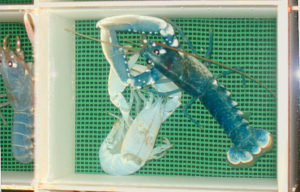
An intensive-culture recirculation system for farming European lobsters has been developed, with a pilot installation in Norway.
Emerging offshore aquaculture projects are proving they can endure hurricane-force winds, strong waves and high currents associated with major storms.
The performance of Pacific white shrimp was evaluated using three filtration systems: bead filtration, foam fractionation and pressurized sand filtration.