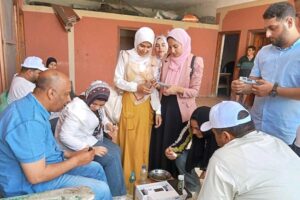
Egyptian workers complete farmed tilapia welfare training
More than 120 Egyptian aquaculture workers have completed specialized training to enhance tilapia welfare and fish productivity.



Nanoparticles may have potential as antibacterial drugs for Vibriosis control through their various mechanisms of action against bacteria.
More than 120 Egyptian aquaculture workers have completed specialized training to enhance tilapia welfare and fish productivity.
New Norovirus detection kit for oysters promises rapid, accurate testing to enhance food safety and mitigate risks for shellfish farmers.
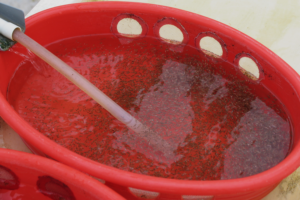
Schizochytrium oil can improve Nile tilapia growth and increase omega-3 content without detrimental effects on the gut microbiome.
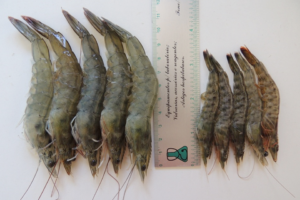
Study shows L. vannamei are better suited to catch biofloc as a supplementary feed with better grow-out performance when compared to F. brasiliensis.
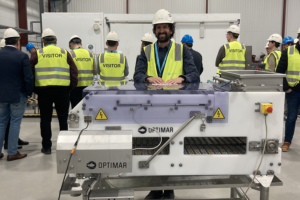
Ace Aquatec and the Shrimp Welfare Project working together to improve shrimp welfare through humane stunning methods.
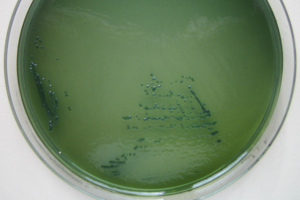
Researchers say a rapid test for Vibrio parahaemolyticus in seafood offers a quick, low-cost solution to prevent foodborne illness.
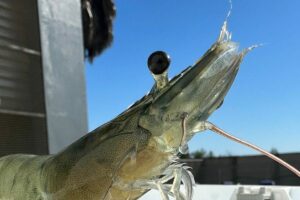
Welfare concerns around the common hatchery technique that underpins global shrimp farming is leading to trials for new approaches.
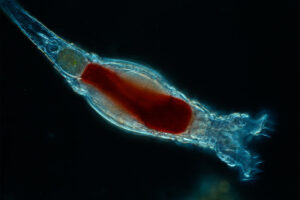
Study demonstrates the feasibility of reducing the pathogenic Vibrio load in live feed and fish larvae with a non-antibiotic-based approach.
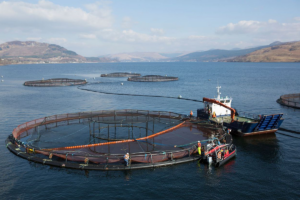
Spermidine, a compound found in vegetables, cereals and soybean products, may help salmon break down fatty acids and maintain optimal immune function.
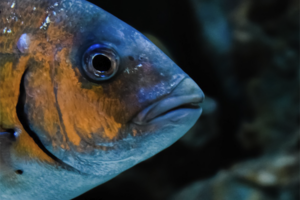
Blueyou has launched an aquatic animal welfare policy that addresses "pressing" issues in aquaculture and wild-capture fisheries.
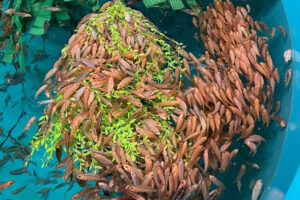
SAIC funds research to fine-tune a cleaner fish vaccination, potentially improving sea lice control in salmon farming.
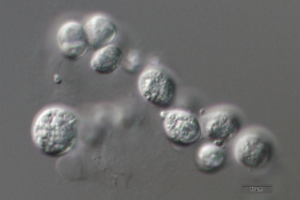
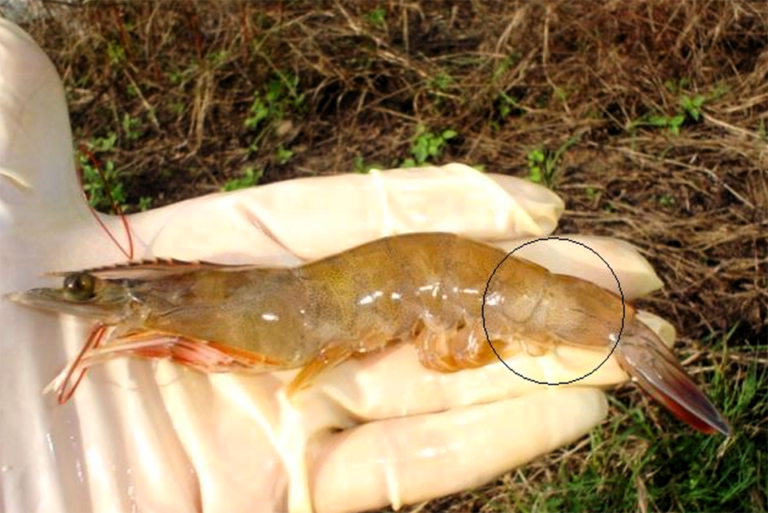
Cumulative mortality results showed that shrimp fed protists (containing Aurantiochytrium sp. meal) had higher survival when challenged with WSSV.
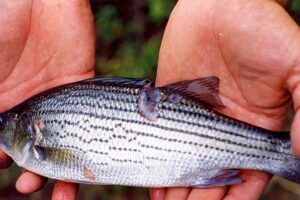
Emerging aPDT technology can inactivate pathogenic bacteria with potential uses in aquaculture for surfaces, equipment and water disinfection.
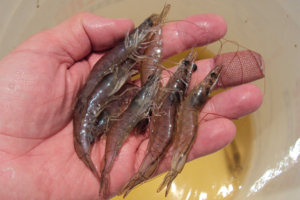
Study is a model for investigations to identify critical genes for EHP survival and spread as targets for preventive and therapeutic management.
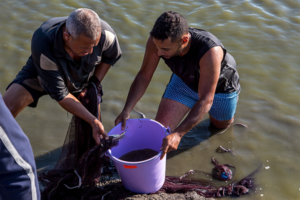
FAI and Ethical Seafood Research launched the Tilapia Welfare Project in Egypt, the world's second-largest producer of the farmed fish species.