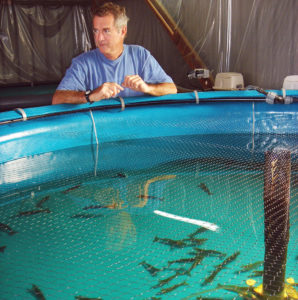
Blue shrimp quarantined in New Caledonia genetic variability program
To improve the sustainability of their breeding programs, shrimp producers in New Caledonia established a program with certified SPF blue shrimp.



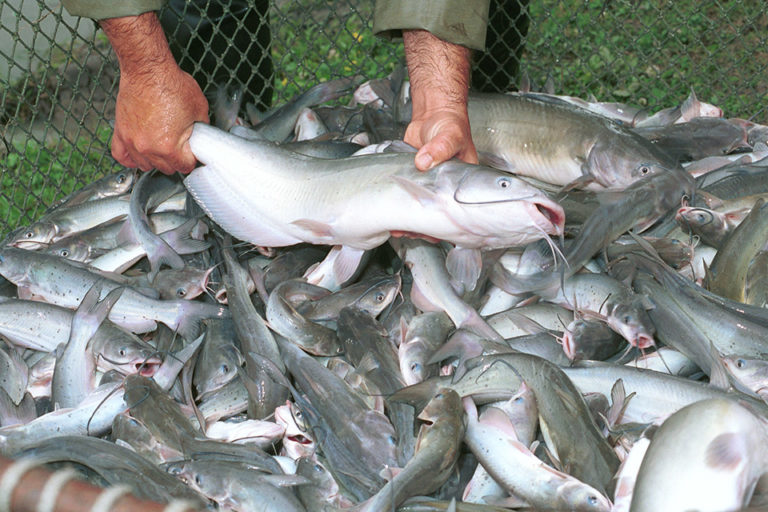
Although causes of pre-harvest off-flavors in catfish differ due to climate, water quality and pond hydrology, blue-green algae is a common culprit.
To improve the sustainability of their breeding programs, shrimp producers in New Caledonia established a program with certified SPF blue shrimp.
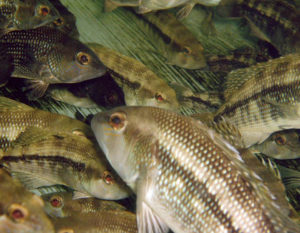
Studies at UNC-Wilmington found that growth and survival of black sea bass larvae were improved through supplementation of DHA and ARA in live feed.

Studies have identified changes in the quality parameters of farmed Atlantic salmon and wild salmon that reflect changes in the animals’ life cycles, diets and environments.
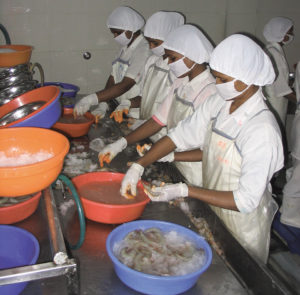
Occupational seafood allergies can manifest as asthma, rhinitis, conjunctivitis, urticaria, and dermatitis. Anaphylactic reactions have also been reported.
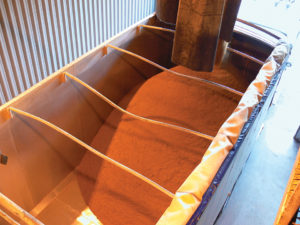
Research indicates that rendered protein meals could replace significant amounts of fishmeal in diets for shrimp and several cultured fish species without reducing weight gain.
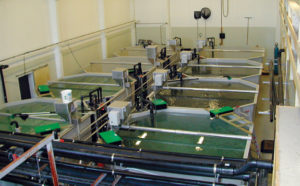
Clay particles present an alternative to water treatments with microalgae or algae paste in the culture water of marine fish larvae.
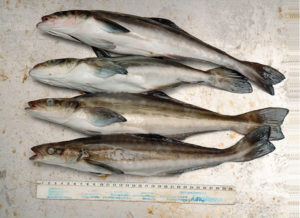
Virginia Tech Aquaculture Research Group collaborated with MariCal to examine commercial feasibility of raising cobia in RAS under low-salinity conditions.
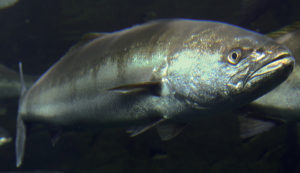
Hubbs-SeaWorld Research Institute and Universidad Autónoma de Baja California are working to produce improved broodstock diets for white sea bass and totoaba.
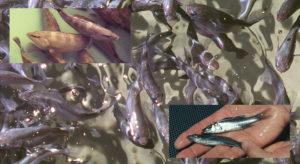
Stocking marine fish in coastal impoundments in Florida, USA, has demonstrated improved habitat quality and given hatchery fish a transition to open water.
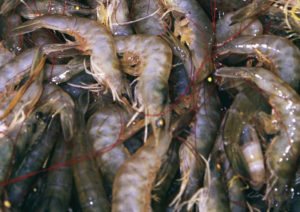
The development of specific pathogen-free Pacific white shrimp and breeding led to rapid adoption of the domesticated shrimp throughout the Western Hemisphere and Asia.
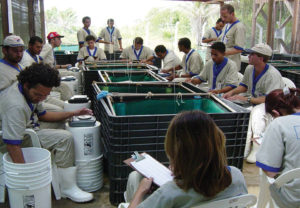
Breeding efforts at Aquatec Genearch Aquacultura in Brazil have centered on specific pathogen-free white shrimp lines imported from the United States.
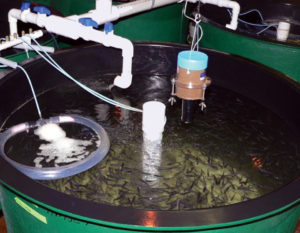
The Atlantic Cod Genomics and Broodstock Development Project has expanded the gene-related resources for the species in Canada.
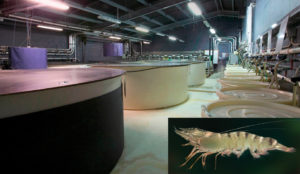
Experiences with newly domesticated shrimp species in Australia underscore the importance of understanding the species' biological requirements.
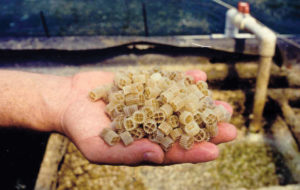
Resistant to antibacterial agents and heat, biofilms are difficult to remove from food-processing surfaces and may result in persistent pathogen populations.
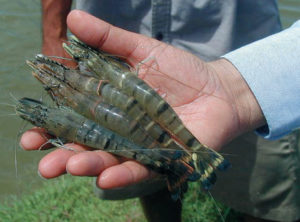
As Fiji considers a change in culture species from blue to black tiger shrimp, a study evaluated viruses in the country’s wild P. monodon stocks.