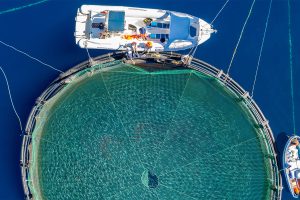
Study: 83% of southern Europeans support humane fish slaughter
Most southern Europeans support humane fish slaughter, underscoring the value of animal welfare for Greece’s aquaculture industry.



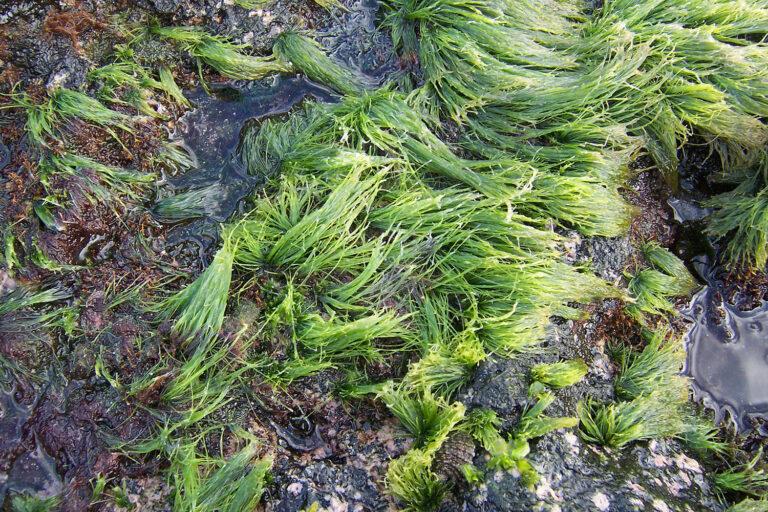
Replacing half of the feed with the macroalgae C. clavate can reduce costs in Pacific white shrimp culture, making it a candidate for co-cultivation.
Most southern Europeans support humane fish slaughter, underscoring the value of animal welfare for Greece’s aquaculture industry.

MycoFence® β-glucan boosts disease resistance in Atlantic salmon better than yeast-based options, offering benefits for aquaculture.
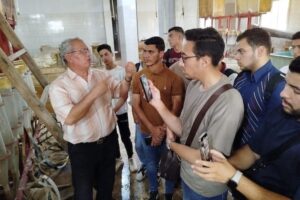
New FAI partnership with CLAR aims to transform Egypt’s fish welfare practices, enhancing tilapia health and industry sustainability.
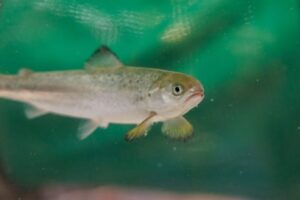
Study shows salmon can adapt to low hydrogen sulfide in recirculating aquaculture systems, improving fish health and aquaculture practices.
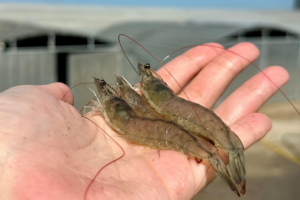
Results recommend a 1 percent concentration of P. cruentum for dietary inclusion for P. vannamei, but other immunological parameters must be evaluated.
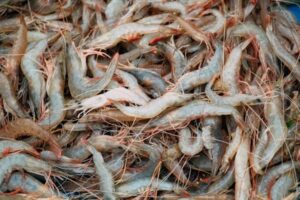
Tesco has implemented a new procurement policy aimed at improving the welfare of farmed decapod crustaceans like shrimp.
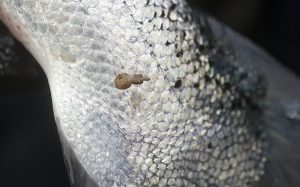
Studying coho salmon’s sea lice resistance could lead to genetic advances to better protect Atlantic salmon, Nofima scientists say.
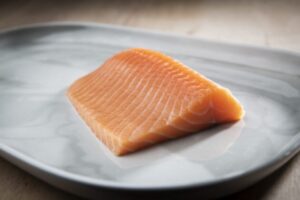
A new Nofima study reveals that mechanical delousing and fast growth negatively impact salmon fillet color.
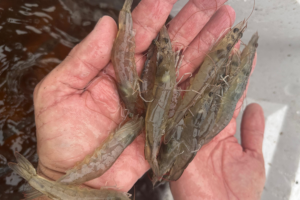
Findings offer insights on key mechanisms shaping disease resistance in shrimp and for selection of superior lines with high disease resistance.
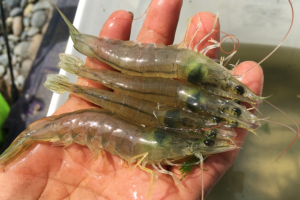
An experimental basis for independent breeding of Pacific white shrimp varieties with high WSSV resistance and fast growth.
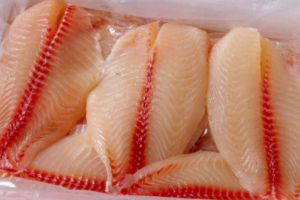
Higher holding densities and asphyxiation increase stress, damaging flesh, while lower densities reduce stress and improve fillet quality.
A new vaccine for barramundi combats Scale Drop Disease Virus, a promising breakthrough for the aquaculture industry.
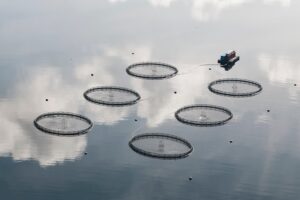
A new tool is being developed to improve sea lice predictions and enhance fish health with more reliable, consistent data.
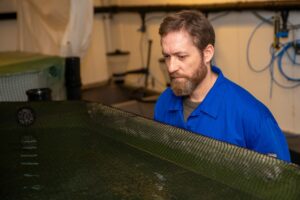
SINTEF Ocean researchers have developed an implant to monitor salmon health, aiming to improve animal welfare and reduce mortality in aquaculture.
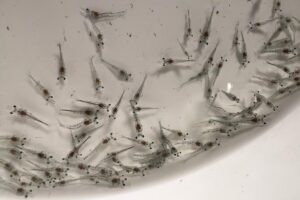
Las Bolitas Syndrome has a severe impact on the digestive system of P. vannamei larvae, contrasting with the absence of pathogenic features in healthy larvae.