Seafood HACCP regulation: A perspective
Seafood was one of the first U.S. commodities to be placed under the FDA's mandatory Hazard Analysis Critical Control Point (HACCP) regulations.
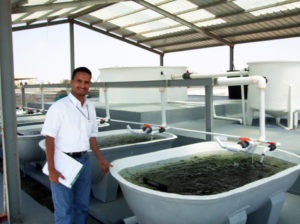
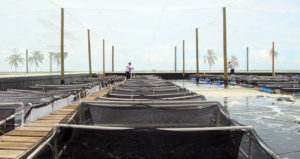
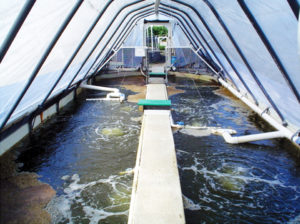
Intensive nursery systems are an extension of hatcheries to acclimate postlarvae to farm conditions and assess quality and health prior to pond stocking.
Seafood was one of the first U.S. commodities to be placed under the FDA's mandatory Hazard Analysis Critical Control Point (HACCP) regulations.
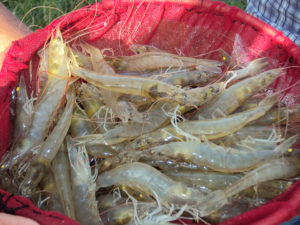
Trial demonstrated that inland shrimp farming with Pacific white shrimp in Sonora, Mexico, is a viable alternative for the use of groundwater where agriculture has been eliminated by the salinity in the aquifers.
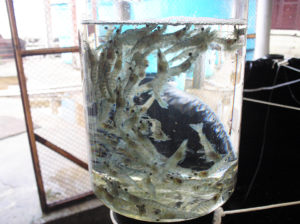
Maintaining a favorable gut microflora in shrimp can help minimize the impacts of diseases and maximize digestive efficiency. Phytobiotic feed additives modulate microflora in shrimp toward a composition that favors beneficial bacteria and inhibits pathogenic microorganisms.
In analysis of nine strains of freshwater prawns, wild Myanmar and cultured India populations had the greatest allelic richness and expected heterozygosity.
Much of Brazil’s expanding tilapia aquaculture takes place in floating cages with sturdy frames and nets made from plastic-coated steel or polypropylene.
Due to its high protein and highly unsaturated fatty acids content, krill meal can be an effective ingredient in aquafeed.
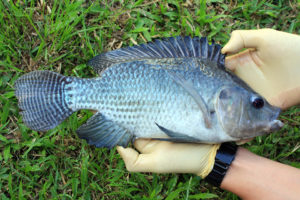
Determining dietary requirements for tilapia requires precise formulation. Individual amino acids must be considered to establish well-balanced diets.
Cobia is a top emerging candidate for tropical and subtropical marine fish aquaculture. The University of Miami Experimental Hatchery has led ongoing research to advance the viability of raising hatchery-reared cobia.
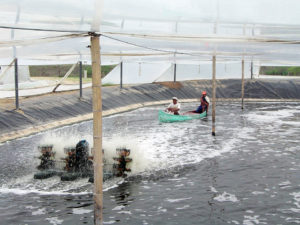
With the global spread of viruses, biosecurity has become an essential element of every shrimp farm. Biosecurity starts with quality of farm design.
Research with sturgeon and carp species indicated that encapsulated artemia has high potential to carry probiotics or other beneficial microorganisms.
In studies, bacteria and yeasts isolated from the native microbiota of wild shrimp at larval, juvenile and adult life stages were administered to early-stage shrimp via the culture water.
Advances in fish hatchery management – particularly in the areas of brood management and induced spawning – have helped establish aquaculture for multiple species.
Published information on the effects of including organic acids and their salts at low concentrations in aquafeeds varies according to fish species and age, as well as the types and levels of organic acids and salts used.
A study in Brazil found that the growth superiority brought about by within-family selection of tested shrimp transmitted to the next generation of animals.
Traditionally, Australian farmers relied on wild broodstock to source black tiger shrimp larvae, but substantial progress has been made in the domestication and selective breeding of Australian P. monodon.