
Biomarker applications in fish aquaculture
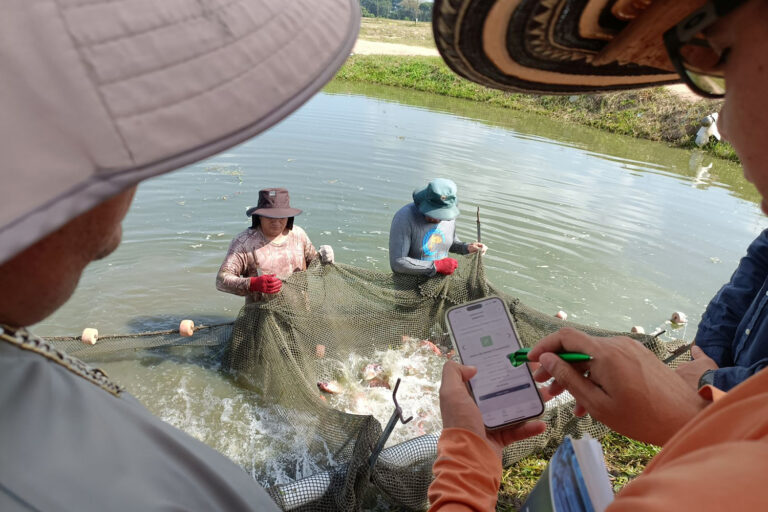
Biomarkers can evaluate the nutritional, immune, physiological and health status of cultured fish, anticipate stress and disease and support management.
New data reveals investments in fish health and welfare since 2018 have led to record-high survival rates for Scottish salmon.
Biomarkers can evaluate the nutritional, immune, physiological and health status of cultured fish, anticipate stress and disease and support management.
A new project aims to introduce pre-slaughter stunning in India, improving fish welfare despite adoption and scalability challenges.
The project advances the vaccine’s commercial development and uptake in Vietnam's aquaculture sector to combat antimicrobial resistance.
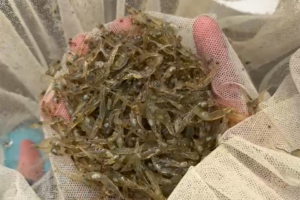
Study provides insights into the adaptation of Pacific white shrimp to ammonia stress by enhancing immune function through tannins in feeds.
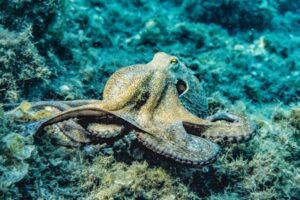
California bans octopus farming and the sale of farmed octopus products, citing animal welfare and environmental sustainability concerns.
Underwater Contracting and Mowi plan to expand ROV use in salmon farming to boost efficiency and fish welfare in aquaculture.
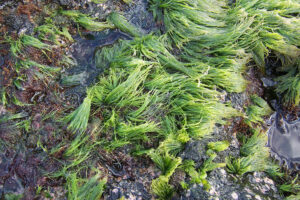
Replacing half of the feed with the macroalgae C. clavate can reduce costs in Pacific white shrimp culture, making it a candidate for co-cultivation.
Most southern Europeans support humane fish slaughter, underscoring the value of animal welfare for Greece’s aquaculture industry.
MycoFence® β-glucan boosts disease resistance in Atlantic salmon better than yeast-based options, offering benefits for aquaculture.
New FAI partnership with CLAR aims to transform Egypt’s fish welfare practices, enhancing tilapia health and industry sustainability.
Study shows salmon can adapt to low hydrogen sulfide in recirculating aquaculture systems, improving fish health and aquaculture practices.
Results recommend a 1 percent concentration of P. cruentum for dietary inclusion for P. vannamei, but other immunological parameters must be evaluated.
Tesco has implemented a new procurement policy aimed at improving the welfare of farmed decapod crustaceans like shrimp.
Studying coho salmon’s sea lice resistance could lead to genetic advances to better protect Atlantic salmon, Nofima scientists say.
A new Nofima study reveals that mechanical delousing and fast growth negatively impact salmon fillet color.