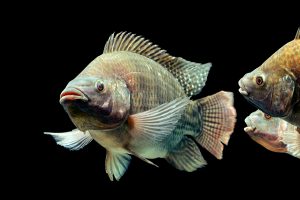
‘The right thing to do’: How aquaculture is innovating to reduce fish stress and improve animal welfare
With research showing that stress can damage meat quality, fish and shrimp farmers are weighing the latest animal welfare solutions.



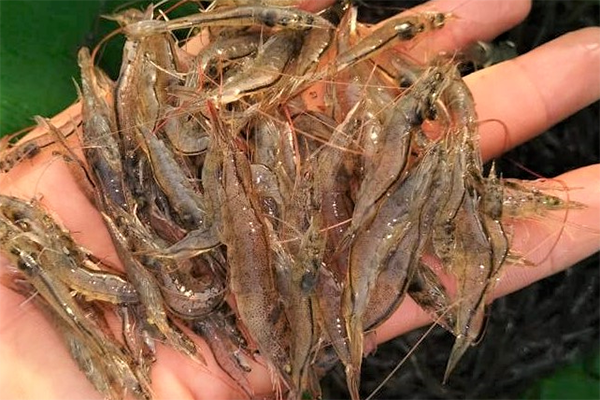
Adding glucan and fructooligosaccharides optimally enhances growth and antioxidant activities, non-specific immunity and disease resistance of L. vannamei.
With research showing that stress can damage meat quality, fish and shrimp farmers are weighing the latest animal welfare solutions.
The two probiotics studied degraded ammonia in vitro and in ponds. A magnetic field improved germination and proliferation of Bacillus spores in vitro.

A new training program is being developed to help UK seafood producers detect and report harmful algal blooms in open coastal waters.
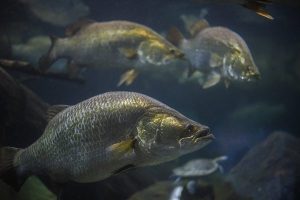
Scientists developed a new genetic test for infectious spleen and kidney necrosis virus (ISKNV) that is a threat to barramundi aquaculture.
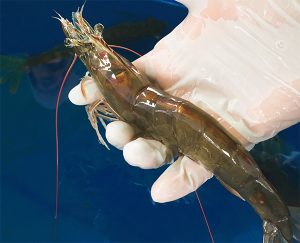
Dietary phospholipid sources can improve the antioxidant capacity of L. vannamei broodstock females, boosting immunity against pathogenic bacteria.
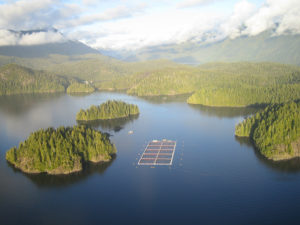
A scientific report has concluded that sea lice on farmed salmon do not impact sea lice levels on wild juvenile salmon in British Columbia.
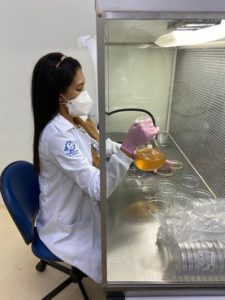
Scientists in Brazil have identified a "superbug" connected to various diseases in both humans and intensive tilapia aquaculture – and it could be caused by illegal waste dumping in the water system.
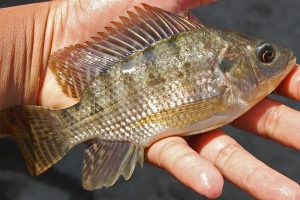
Efficacy of an oral vaccine in trials with tilapia shows it to be a viable, cost-effective alternative to administering vaccines by injection.
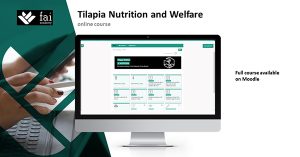
FAI Farms launches a free online training series that focuses on integrating best tilapia welfare practices in aquaculture.
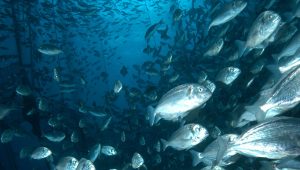
The Aquaculture Advisory Council released a report on how to improve the welfare and production of sea bass, sea bream, salmon, trout and carp.
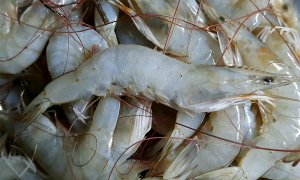
Findings highlight the importance of proper screening of live shrimp to prevent the spread of potentially lethal shrimp diseases globally.

Scientists have developed a genomic selection tool that can lift cod breeding from family to individual selection, increasing genetic gain.
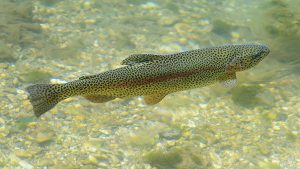
The discovery of an immune structure in the nasal cavities of rainbow trout could improve understanding of the efficacy of aquaculture vaccines.
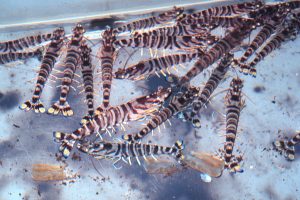
Findings suggest that light intensity, followed by density, are the most crucial factors influencing the behavior of farmed Kuruma prawns (P. japonicus).
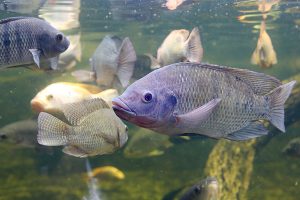
FAI Farms’ Tilapia Welfare App enhances production by integrating well-established animal welfare science into farmers’ daily routines.