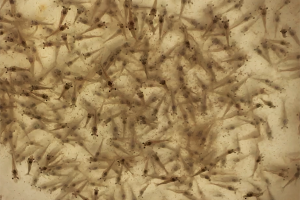
Effect of a microencapsulated probiotic on the intestinal microbiome of Pacific white shrimp
A microencapsulated probiotic supported beneficial strains of Bacillus and reduced harmful Vibrios, showing the potential to modulate shrimp gut microbiota.



Machine learning technology and novel alternatives like bacteriocins are unlocking a new era of tackling disease and antibiotic use in aquaculture.
A microencapsulated probiotic supported beneficial strains of Bacillus and reduced harmful Vibrios, showing the potential to modulate shrimp gut microbiota.
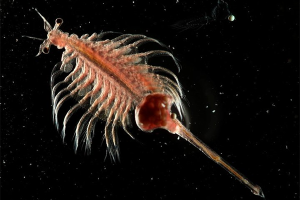
Feeding HUFA-enriched artemia to L. vannamei for 12 days significantly increases highly unsaturated fatty acid content in the shrimp postlarvae.

Installation of humane fish stunner from Ace Aquatec yields ‘transformative’ results for the Mediterranean aquaculture company, Philosofish.
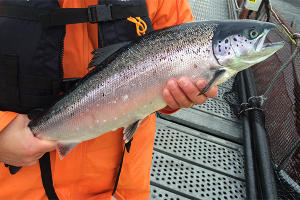
According to SERNAPESCA, antimicrobial usage in Chile in 2022 was down more than one-quarter from 2021 and the lowest in 16 years.
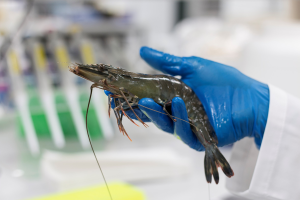
Early detection of major shrimp pathogens – through novel technologies like Genics Shrimp Multipath – is key for WSSV control and prevention.
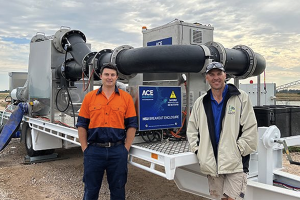
Aquna Sustainable Murray Cod report a "vast improvement" in welfare and efficiency since installing a trailer-mounted in-water fish stunner.
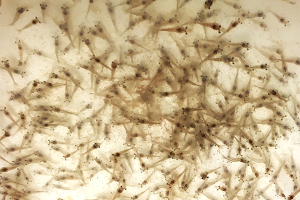
Dietary, health-promoting additives may address some larviculture issues and support the downstream production of high-quality L. vannamei.
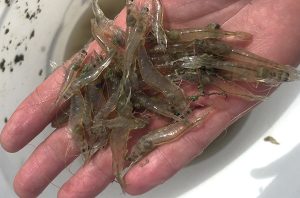
A model for waterborne transmission of WSSV in shrimp explains virus dynamics, interactions during outbreaks and the spread of White Spot Disease.
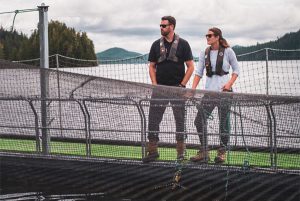
Novel "ecosystem-supporting" technology may improve fish welfare and performance, and reduce interactions between wild and farm-raised fish.

Biotech pioneer QuantiDoc's Veribarr tool gives an objective, quantitative measure of the strength of a farmed fish's skin, gills and guts.
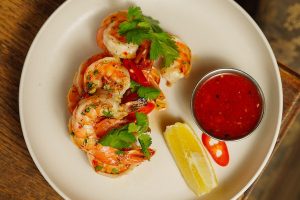
A new method using pressure and steam can produce a less-allergenic shrimp product, which is good news for people with a shrimp allergy.
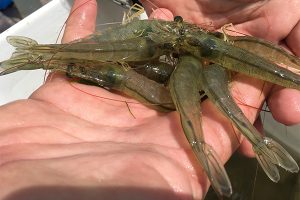
Including a commercial nucleotide in L. vannamei diets improved growth, survival, immune response, resistance to AHPND and profitability.
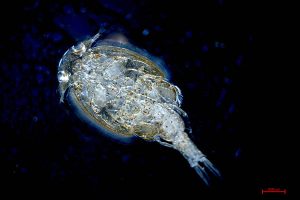
Viruses may prevent "explosions" in sea lice populations, offering a natural control agent for salmon parasites, according to a UBC study.
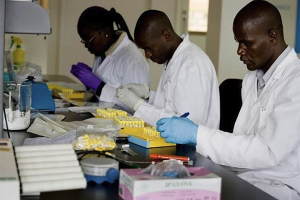
Findings from a new report could help prevent or reduce risks from aquatic animal disease across sub-Saharan Africa in the future.
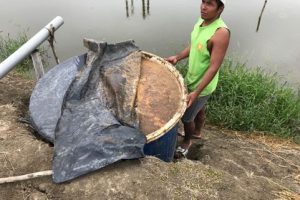
Bacterial additions produced pondside are common in shrimp farming, but farmers must ensure these cultures aren’t contaminated with harmful bacteria.