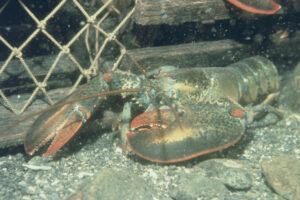
Membertou First Nation to test Canada’s first electric boat in commercial lobster fishery
A First Nations-led project will test Canada’s first electric boat and assess if electric vessels can work in the commercial lobster fishery.



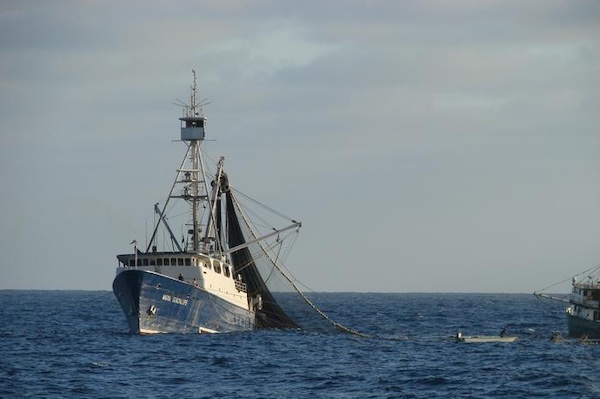
Study finds that tracking fishing fleet movements can detect climate-driven marine ecosystem changes faster than traditional ocean indicators.
A First Nations-led project will test Canada’s first electric boat and assess if electric vessels can work in the commercial lobster fishery.
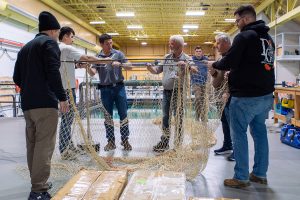
Reducing king and chum salmon bycatch in Alaska’s pollock fishery has required an industrywide effort with data sharing and new technology. Is it enough?
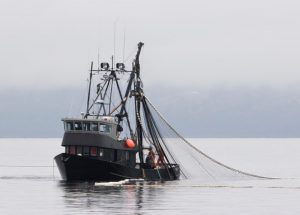
A recent paper shows how threatened or endangered animals on land and in the sea would be hurt if livestock protein replaced wild-caught fish protein.
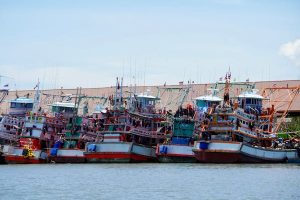
A five-year initiative seeks to strengthen fisheries management and support overexploited fish stocks in the Gulf of Thailand.

As a darkening ocean threatens to reshape marine ecosystems, scientists explore risks for fisheries and how rewilding with restorative aquaculture could help.

The GFMI can aid management actions like improving selectivity, promoting gear substitution, preventing gear loss and enhancing crew safety.
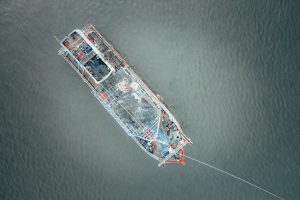
Analysis finds high seas fisheries management is not meeting mandates, with 56 percent of fish stocks overexploited or in decline.
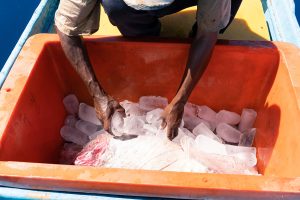
A solar-powered ice maker has transformed an Indonesian community's tuna fishery, boosting incomes and slashing waste and emissions.

Findings stress the relevance of flexible squid fishery scheduling and management in response to climate-driven changes in habitat suitability.
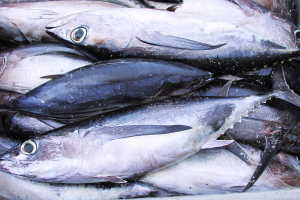
Although a range of supervisory management measures have been implemented over nearly four decades, its regulatory framework should be improved.
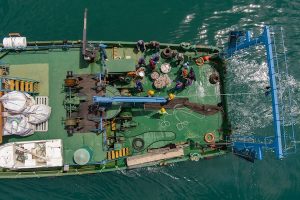
Overfishing in the Mediterranean and Black seas reaches a 10-year low, underscoring aquaculture’s growing role as demand for seafood rises.
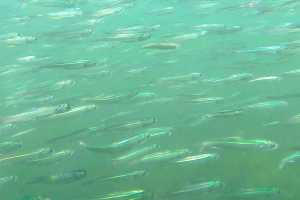
Analysis of Peruvian anchovy spawning strategy stresses urgency for regional management as a global warming scenario affects natural cycles.

New two-year pact aims to improve labor conditions in Pacific fisheries through capacity-building and enforcing international standards.

Solar-powered net lights cut sea turtle bycatch without reducing target catch, offering a practical, scalable fix for sustainable fisheries.

Findings highlight a trade-off in the fishery: Smaller mesh sizes boost catch efficiency, mainly for targeted females, but increase bycatch of males.